


What Do the 10 Commandments Reveal About God?
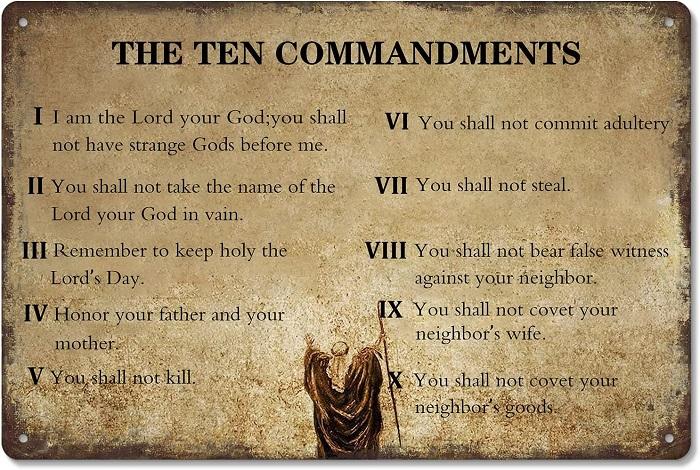
The 10 commandments stand at the center of biblical ethics. They appear in Exodus 20. They appear again in Deuteronomy 5. They form the heart of Israel’s covenant. They shape Christian moral thought. They influence legal traditions around the world. These commandments reveal much about God. They show His character. They show His priorities. They show His relationship with humanity. The commandments use simple language. They use direct statements. They declare clear expectations. This article explores what the 10 commandments reveal about God. It uses simple clauses. It includes detailed analysis. It presents main headings and subheadings for clarity.
God Reveals His Authority
God Speaks as the Supreme Lawgiver
The 10 commandments begin with God speaking. He identifies Himself. He reminds Israel that He delivered them from slavery. His words show authority. His words show power. His words show rightful rule. God gives commands. He does not negotiate. He does not suggest. He speaks with absolute legitimacy. This reveals that God is sovereign. He holds full authority over life. He directs human conduct. He defines morality. His authority flows from His identity. It flows from His actions. It flows from His holiness.
God Shows His Unmatched Power
God introduces Himself as the one who brought Israel out of Egypt. This simple clause shows His power. He breaks chains. He defeats nations. He frees people. The commandments rest on this power. They remind Israel that obedience is not blind. It is rooted in history. It is rooted in deliverance. It is rooted in real events. God’s commands reflect His ability to act. They reveal a God who is not distant. They show a God who intervenes in human affairs.
God Reveals His Holiness
A God Who Demands Exclusive Worship
The first commandment says that Israel must have no other gods. This reveals that God is holy. He is unique. He is incomparable. He accepts no rivals. This exclusivity shows purity. It shows distinction. It shows perfection. God’s holiness requires loyalty. It requires devotion. His holiness shapes worship. It shapes community life. It shapes personal ethics. No other being deserves the devotion that belongs to Him.
A God Who Rejects Idolatry
The second commandment expands on holiness. God forbids idols. He forbids images. He forbids substitutes. This reveals His spiritual nature. He cannot be shaped by human hands. He cannot be reduced to an object. He cannot be limited by form. Idols distort truth. Idols misrepresent God. Idols hide His glory. God’s rejection of idols shows that He is beyond matter. He transcends creation. He demands worship in spirit. He demands worship in truth.
God Reveals His Name and His Honor
A God Who Protects His Name
The third commandment says that God’s name must not be misused. This reveals honor. It reveals dignity. It reveals identity. A name reflects character. A name reflects reputation. God values His name because His name reveals who He is. Misuse dishonors Him. Misuse weakens respect. Misuse shows disregard. God expects reverence. He expects careful speech. He expects sincere worship. This commandment reveals that God cares about truth. He cares about integrity. He cares about the way humans speak of Him.
A God Who Values Accuracy in Devotion
Misusing God’s name includes false oaths. It includes empty vows. It includes careless speech. It includes trivial use. God’s concern for His name reveals His desire for accurate devotion. He does not accept halfhearted worship. He does not accept false professions. He does not accept superficial piety. This commandment reveals a God who values authenticity.
God Reveals His Order for Life
A God Who Establishes Sacred Time
The fourth commandment commands rest. It sets apart the Sabbath. It creates rhythm. It creates structure. It creates balance. God rested on the seventh day. God set a pattern. God established a principle. Rest protects the body. Rest protects relationships. Rest honors creation. God reveals Himself as a God who values order. He values pacing. He values renewal. He values a stable life. The Sabbath command reveals His care for human well-being.
A God Who Values Family Relationships
The fifth commandment instructs children to honor parents. This reveals God’s concern for family. The family forms the base of society. It shapes identity. It teaches values. God’s command protects this foundation. It promotes stability. It promotes respect. It promotes continuity. God reveals Himself as a God who cares deeply about human bonds. He protects generations. He protects communities. He protects dignity within the home.
God Reveals His Moral Standards
A God Who Protects Life
The sixth commandment prohibits murder. This reveals the value of human life. Life is sacred. Life comes from God. He protects it. He does not allow cruelty. He does not allow violence without cause. He does not allow injustice. The command shows God’s compassion. It shows His justice. It shows His commitment to human dignity.
A God Who Values Faithfulness
The seventh commandment prohibits adultery. This reveals God’s respect for marriage. Marriage reflects covenant. Marriage reflects trust. Marriage reflects unity. God values fidelity. He values purity. He values loyalty. This command reveals His desire for stability in relationships. It reveals His design for love. It shows His protection of families.
A God Who Honors Truth and Property
The eighth commandment forbids stealing. The ninth commandment forbids false testimony. These commands reveal God’s concern for justice. They reveal His desire for fairness. They reveal His protection of property. They reveal His commitment to truth. God hates deceit. God hates exploitation. God hates injustice. These commands show His moral clarity.
A God Who Knows the Heart
The tenth commandment forbids coveting. This command reaches inward. It addresses desire. It addresses thought. It addresses intention. God cares about the heart. He sees motives. He sees hidden desires. He sees silent thoughts. This reveals His deep knowledge of humanity. It shows His purity. It shows His demand for internal righteousness. God’s standards reach beyond action. They reach into the soul.
God Reveals His Relationship With His People
A God Who Guides and Protects
The 10 commandments are not cold laws. They express care. They provide direction. They guard against harm. They help communities flourish. God reveals Himself as a guide. He leads people toward good. He shields them from pain. He protects them from the consequences of destructive behavior.
A God Who Desires Covenant
The commandments come in the context of a covenant. This reveals relationship. It reveals commitment. It reveals love. God binds Himself to His people. He invites them to obey. He invites them to trust. He shapes them into a holy nation. The commandments show that God seeks connection. He seeks partnership. He seeks obedience rooted in gratitude.
Conclusion
The 10 commandments reveal God’s authority. They reveal His holiness. They reveal His honor. They reveal His moral purity. They reveal His order. They reveal His care for human relationships. They reveal His desire for a covenant people. Each command reflects His character. Each command shows His wisdom. Each command guides humanity toward a life of justice, peace, dignity, and truth. The commandments continue to speak today. They reveal a God who is powerful. They reveal a God who is just. They reveal a God who is compassionate. They reveal a God who calls people to walk in His ways.
 Russian
 English
 Arabic
 French
 Spanish
 Portuguese
 Deutsch
 Turkish
 Dutch
Dutch
 Italiano
 Romaian
 Portuguese (Brazil)
 Greek
Greek