


Power When You Need It: Choosing the Right Home Battery System for Your Perth Lifestyle
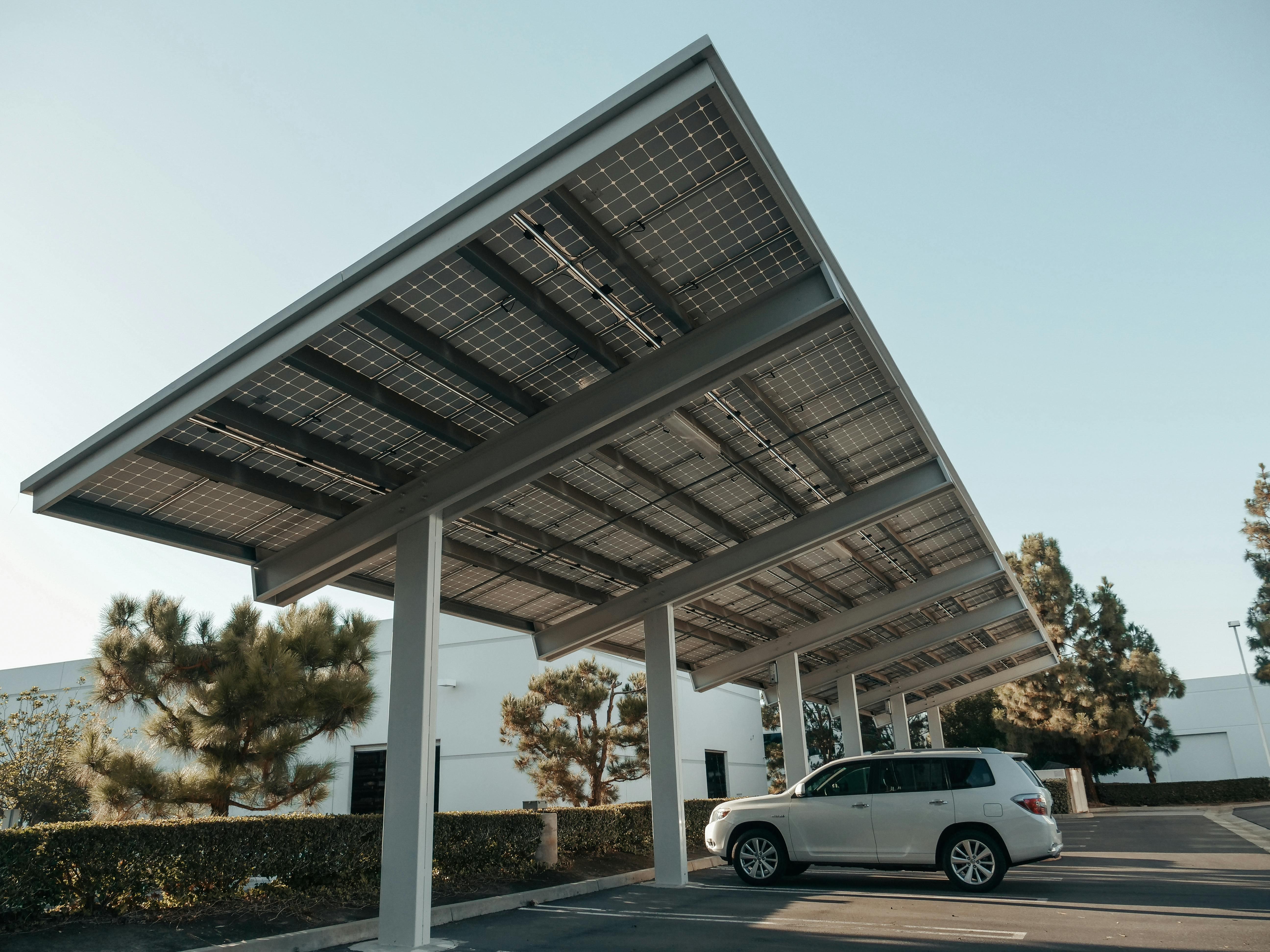
In the sun-drenched suburbs of Perth, where endless blue skies fuel a booming renewable energy sector, solar panels Perth WA have become a cornerstone for households seeking independence from volatile electricity prices. As of December 2025, integrating home battery storage with these solar installations represents the next logical step, transforming daytime generation into round-the-clock reliability. This guide explores the intricacies of selecting and implementing home battery systems tailored to Perth's unique coastal climate, high solar yields, and regulatory framework. From dissecting top-tier technologies to decoding the latest incentives, homeowners can unlock seamless energy management that aligns with busy lifestyles—whether powering air-conditioned evenings in Scarborough or EV charging in Fremantle. With average daily solar exposure exceeding 5 kWh/m², Perth residents stand to save significantly, often recouping investments in under eight years through optimized self-consumption and blackout protection.
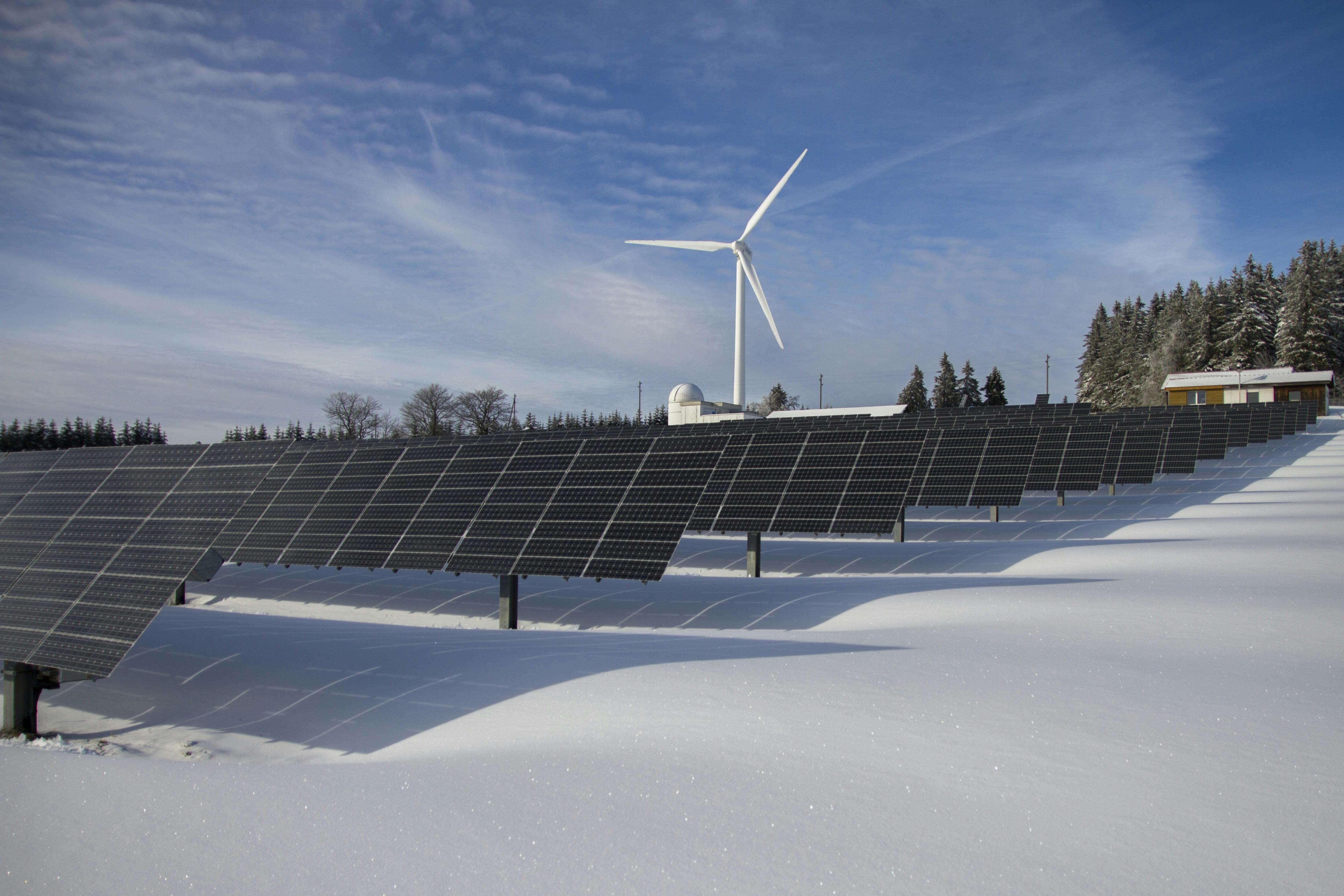
Understanding Home Battery Systems: Essentials for Perth's Solar Ecosystem
Home battery systems store excess electricity generated by solar panels, releasing it during peak demand or grid outages to ensure uninterrupted power. In Perth, where Synergy's time-of-use tariffs reward off-peak charging, these systems—typically lithium-based with capacities from 5kWh to 20kWh—bridge the gap between intermittent sunlight and consistent household needs. Core components include the battery modules, an inverter for DC-to-AC conversion, and a battery management system (BMS) that monitors charge cycles, temperature, and safety protocols.
Lithium iron phosphate (LiFePO4) batteries dominate the market for their thermal stability in Perth's scorching summers, where temperatures can soar above 40°C, offering over 6,000 cycles at 100% depth of discharge (DoD) compared to nickel-manganese-cobalt (NMC) alternatives' 4,000 cycles at 90% DoD. Hybrid inverters, like those from Sungrow or GoodWe, integrate seamlessly with existing solar panels Perth WA, enabling DC-coupled setups that boost round-trip efficiency to 95% by minimizing energy losses during storage. For retrofits, AC-coupled options such as the Tesla Powerwall 3 provide plug-and-play compatibility, automatically syncing with legacy inverters from brands like Fronius or SMA.
Perth's Mediterranean climate demands robust enclosures—IP65-rated for dust and salt resistance in coastal zones like Cottesloe—while smart features like app-based monitoring track real-time metrics: state-of-charge (SoC), solar yield curves, and predictive discharge based on weather APIs. This granularity empowers users to prioritize loads, such as diverting power to pool pumps or home offices during evening surges, enhancing overall system ROI.
Key Benefits of Home Batteries for Perth Households in 2025
The advantages extend far beyond basic storage, delivering tangible lifestyle enhancements amid Perth's energy transition. Financially, batteries elevate self-consumption rates from 30% in grid-tied solar setups to over 70%, slashing Synergy bills by $1,120 annually for a typical 20kWh daily usage household. With feed-in tariffs at 3-10 cents/kWh, storing surplus avoids low export returns, accelerating payback to 7.6 years post-rebates.
Resilience shines during rare SWIS outages or summer storms, with uninterruptible power supplies (UPS) switching in under 20ms to sustain fridges, medical devices, and security systems—critical in fire-prone areas like the Perth Hills. Environmentally, they reduce reliance on coal-heavy peakers, aligning with WA's 2030 emissions targets; a 13.5kWh system offsets 10 tonnes of CO2 yearly.
For EV owners in growing suburbs like Alkimos, bidirectional charging turns vehicles into grid stabilizers via virtual power plants (VPPs), earning $200-500 annually from operators like AGL. Scalability future-proofs investments: start with 10kWh and expand modularly, accommodating family growth or home expansions without full overhauls.
| Benefit | Impact in Perth Context | Estimated Annual Savings |
|---|---|---|
| Bill Reduction | High self-consumption via TOU tariffs | $800-$1,200 |
| Outage Protection | Instant backup for essentials | N/A (Priceless) |
| VPP Revenue | Grid services participation | $200-$500 |
| Carbon Offset | Reduced fossil fuel draw | 8-12 tonnes CO2 |
This table underscores how batteries amplify solar panels Perth WA efficiency, fostering energy sovereignty.
Top Home Battery Brands Compatible with Perth Solar Installations in 2025
Selecting a brand hinges on compatibility, performance, and local support. Tesla's Powerwall 3 leads with 13.5kWh capacity, 11.5kW continuous output (capped at 5kW in WA), and seamless integration via the Tesla app for storm-watch predictions. Its NMC chemistry suits high-drain homes, backed by a 10-year warranty retaining 70% capacity.
Sungrow's SBR HV series offers modular LiFePO4 stacks up to 25.6kWh, pairing flawlessly with their hybrid inverters for 98% MPPT efficiency—ideal for east-facing roofs in Joondalup. Sigenergy's SigenStor, a close second, provides all-in-one hybrid functionality with IP67 weatherproofing and 10kW output, excelling in VPP programs.
Alpha ESS Smile-B13 delivers value at 13.4kWh for under $10,000 installed, with 100% DoD and compatibility across Fronius, SolarEdge, and Selectronic inverters prevalent in Perth. BYD Battery-Box Premium scales to 30kWh with 10,000-cycle longevity, while GoodWe Lynx F G2 integrates natively for budget-conscious setups.
Enphase IQ Battery 5P stands out for microinverter synergy, offering 5kWh modules with 15-year warranties—perfect for phased expansions in heritage homes.
| Brand | Capacity (kWh) | Chemistry | Output (kW) | Price Range (Installed) | Best For |
|---|---|---|---|---|---|
| Tesla Powerwall 3 | 13.5 | NMC | 11.5 (5 in WA) | $11,500-$13,600 | Tech-savvy users |
| Sungrow SBR HV | 9.6-25.6 | LiFePO4 | 10 | $9,500 | Modular scalability |
| Sigenergy SigenStor | 8-16 | LiFePO4 | 10 | $10,000 | All-in-one hybrids |
| Alpha ESS Smile | 13.4 | LiFePO4 | 7.2 | $8,500-$10,000 | Value retrofits |
| BYD Premium | 5-30 | LiFePO4 | Varies | $9,000-$15,000 | Large households |
These options ensure broad compatibility with solar panels Perth WA, from JA Solar to Canadian Solar arrays.
Navigating Rebates and Incentives for Solar Battery Storage in Perth 2025
As of December 2025, incentives make batteries more accessible than ever. The federal Cheaper Home Batteries Program delivers ~30% off upfront costs—$330-$372/kWh for up to 50kWh usable capacity—via the Small-scale Renewable Energy Scheme (SRES), processing 8,000 applications weekly. For a 10kWh system, expect $3,300-$3,720 savings, stackable with state aid.
WA's Residential Battery Scheme, expanded to 100,000 households since July 2025, offers $130/kWh (up to $1,300) for Synergy customers in Perth and $380/kWh (up to $3,800) for Horizon Power regions, combining for $5,000-$7,500 on 10kWh installs. Eligibility requires post-July 2025 installations, VPP enrollment for two years, and CEC-approved systems. Low-income households (under $210,000 annually) access $10,000 interest-free loans over 10 years.
Local perks include Synergy's Distributed Energy Buyback Scheme for excess exports, though batteries prioritize self-use. Applications via wa.gov.au portals ensure swift processing, with installers like those on SolarQuotes handling compliance.
Essential Factors for Selecting the Ideal Battery System in Perth
Sizing starts with auditing consumption: a 6.6kW solar array with 15kWh daily draw suits a 10-13kWh battery for 70% coverage. Factor in DoD (aim for 90%+), round-trip efficiency (92%+), and cycle life (8,000+ for LiFePO4).
Perth-specifics: Opt for passive-cooled units to handle 45°C peaks, and AS/NZS 4777.2-compliant inverters for Western Power approval. Budget $8,000-$15,000 pre-rebates; calculate ROI via tools like PVWatts, factoring 2.5% annual tariff hikes.
Consult CEC-accredited installers for site assessments, ensuring north-facing orientations maximize yields.
Installation and Maintenance Strategies for Longevity in Perth
Professional installs, mandated by EnergySafety WA, involve trenching for DC cabling, mounting in ventilated garages (away from salt spray), and commissioning tests for anti-islanding. Expect 1-2 days for a 10kWh setup, with costs $1,500-$2,500.
Maintenance entails quarterly app checks for SoC anomalies, annual thermographic scans for hotspots, and panel cleaning during dry spells to sustain 15-20% yield boosts. Warranties cover degradation below 70% in 10 years; VPPs may void if not monitored.
Future-Proofing Your Perth Home with Advanced Battery Integration
By 2030, expect AI-optimized batteries predicting usage via smart meters, integrating with heat pumps and EVs for holistic efficiency. Perth's net-zero push, bolstered by Fortescue's BESS expansions, positions early adopters for premium VPP rates. Pairing batteries with solar panels Perth WA not only secures power reliability but propels sustainable living, yielding dividends in savings, resilience, and environmental stewardship for generations.
 Italiano
 English
 Arabic
 French
 Spanish
 Portuguese
 Deutsch
 Turkish
 Dutch
Dutch
 Russian
 Romaian
 Portuguese (Brazil)
 Greek
Greek