


What Does a Baritone Saxophone Look Like? Detailed Guide
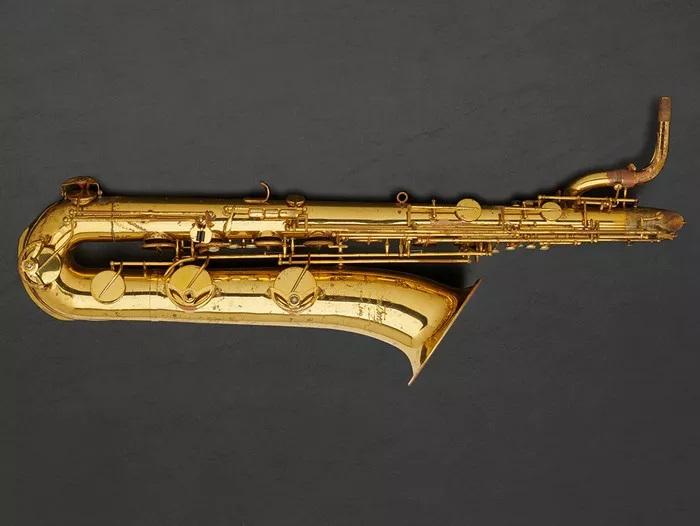
The baritone saxophone is a visually striking and uniquely shaped member of the saxophone family. Its distinctive look sets it apart from other saxophones, making it instantly recognizable. This article dives deep into the physical characteristics, components, and overall appearance of the baritone saxophone to give a complete understanding of what this impressive instrument looks like.
The Size and Shape of the Baritone Saxophone
The baritone saxophone is the second-largest saxophone commonly used in music today, sitting just below the bass saxophone in size. Its large, curved body can measure around 3.5 to 4 feet tall, making it a substantial instrument to hold and play. Unlike the more compact alto or tenor saxophones, the baritone saxophone features a long, conical tube that expands significantly toward the bell, creating its iconic wide flare.
The saxophone’s body is typically crafted from brass, giving it a shiny, golden appearance, although some models come in silver or lacquered finishes. The length of the tubing, when straightened out, is roughly 8 feet, but the instrument’s design cleverly coils it to a manageable shape.
The Iconic Curved Neck and Loop
One of the most defining visual features of the baritone saxophone is its characteristic curved neck and the large loop near the bottom. The neck, where the mouthpiece is attached, bends forward and downward, facilitating the ergonomic positioning of the instrument. Unlike smaller saxophones, the baritone has an additional large loop in the tubing near the bell to accommodate its long tube length.
This loop creates a distinctive “U” shape at the bottom, which not only affects the instrument’s sound but also adds to its imposing silhouette. The loop allows the instrument to remain compact enough for a player to hold comfortably while maintaining the acoustics necessary for its deep, resonant tone.
Bell Size and Shape
The bell of the baritone saxophone is notably large and wide, one of its signature visual elements. It flares dramatically outward in a circular shape, often measuring around 10 to 12 inches in diameter. The bell is the final section where the sound projects out and is usually polished to a high shine to catch the light.
On many baritone saxophones, the bell might feature subtle engravings or etchings, adding an artistic touch and enhancing its aesthetic appeal. This decorative aspect varies by manufacturer and model but contributes to the instrument’s overall look.
Keys, Pads, and Mechanisms
The baritone saxophone is equipped with an extensive array of keys and pads to cover its many tone holes. These keys are mounted on long rods running down the instrument’s body, and they often gleam with a metallic finish matching the saxophone’s brass body.
The keys themselves have rounded key touches, usually made from mother-of-pearl or plastic, designed to fit comfortably under the fingers. The pads beneath the keys are typically covered with felt or leather, ensuring an airtight seal when pressed.
Because of the baritone saxophone’s size, the keywork is more spread out compared to smaller saxophones, which can be visually impressive. The mechanism includes intricate rods, springs, and screws, all meticulously engineered for smooth operation and durability.
The Mouthpiece and Ligature
The mouthpiece of a baritone saxophone is larger than those of alto and tenor saxophones to accommodate the instrument’s lower pitch range. It is generally made from hard rubber, metal, or plastic, and is attached to the neck via a cork-covered tenon.
Securing the reed to the mouthpiece is the ligature, often crafted from metal or fabric with screws to tighten the reed in place. The size and shape of the mouthpiece affect both the sound and the look of the instrument, giving the baritone saxophone a robust and commanding appearance at the player’s embouchure.
Materials and Finishes
While the classic baritone saxophone has a bright brass finish, manufacturers offer various finishes that influence the instrument’s appearance. Some popular finishes include:
Brass lacquer: A shiny golden surface that is the most common look.
Silver-plated: A sleek, reflective silver finish providing a distinct visual appeal.
Matte or satin finishes: Softer, less reflective surfaces for a modern aesthetic.
Black lacquer or painted finishes: Unique looks that can range from subtle to striking.
These different finishes allow players to personalize the instrument’s appearance while maintaining its traditional form and structure.
Baritone Saxophone vs Other Saxophones
Comparing the baritone saxophone to its smaller counterparts, such as the alto or tenor saxophones, highlights its distinctive look. The baritone’s longer, wider body and larger bell make it visually dominant in any ensemble.
Unlike the alto saxophone, which has a higher-pitched, slimmer profile, or the tenor saxophone, which is somewhat larger but still more compact, the baritone saxophone commands attention with its bold curves and impressive size. Its deeper, richer sound is reflected in its heavier, more substantial appearance.
Famous Baritone Saxophone Designs and Brands
Several manufacturers are renowned for producing baritone saxophones with distinct visual and acoustic qualities. Brands like Selmer, Yamaha, Yanagisawa, and Cannonball each have signature design elements, including the shape and engraving of the bell, key layout, and finish options.
Some limited-edition models may feature elaborate engravings or unique finishes, making the instrument not just a tool for music but also a work of art. Collectors and professional players alike value these aesthetic touches, which contribute to the instrument’s overall appeal.
Conclusion
The baritone saxophone is a stunning and impressive instrument both in sound and appearance. Its large size, elegant curves, and detailed keywork create a visual identity that is unmistakable. From the wide bell to the curved neck and intricate keys, every element contributes to its distinctive look.
Whether on stage, in the studio, or displayed in a collection, the baritone saxophone carries a presence that commands attention. For anyone interested in understanding this remarkable instrument’s look, exploring its shape, parts, and finishes provides a full picture of its design and craftsmanship.
 Portuguese
 English
 Arabic
 French
 Spanish
 Deutsch
 Turkish
 Dutch
Dutch
 Italiano
 Russian
 Romaian
 Portuguese (Brazil)
 Greek
Greek