


How Do You Protect a Pressure Gauge from Overpressure Damage?
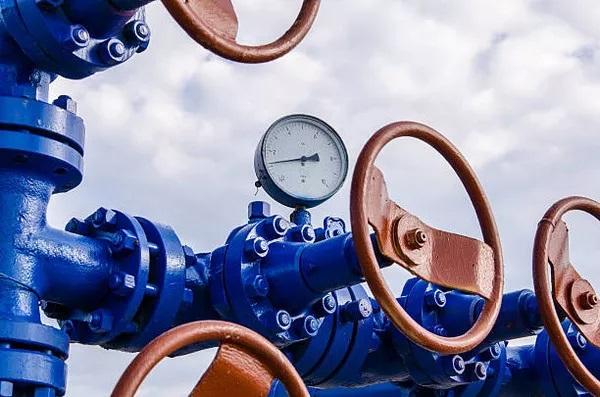
A pressure gauge is a vital instrument in mechanical, industrial, and fluid-handling systems. It allows operators to understand system conditions. It helps them maintain safety. It helps them ensure correct operation. Yet gauges can suffer damage when exposed to excessive pressure. This damage reduces accuracy. It shortens instrument life. It can lead to dangerous failures. Protecting a pressure gauge from overpressure damage requires careful planning. It requires proper component selection. It requires knowledge of system behavior. This article explains how to protect a pressure gauge using several methods. It also explains why these methods work. It describes how they interact with mechanical systems. It offers detailed insights for engineers, technicians, and system designers.
Understanding Overpressure in Pressure Gauges
What Overpressure Means
Overpressure occurs when system pressure rises beyond the rated limit of the pressure gauge. Each gauge has a maximum scale. It also has a maximum safe working pressure. When the system exceeds this limit, the internal mechanism deforms. The bourdon tube may stretch. The diaphragm may warp. The movement mechanism may twist. Overpressure causes permanent damage. Once damaged, the gauge no longer reads correctly. It may show slow response. It may stick at certain points. It may fail entirely.
Why Overpressure Happens
Overpressure can occur suddenly or gradually. It can happen due to pump surges. It can happen due to rapid valve closures. It can happen due to water hammer. It can happen due to operator error. It can also occur due to faulty regulators or unexpected blockages. Mechanical systems often create dynamic pressure spikes. These spikes may be brief but still damaging. Understanding these causes helps engineers design protective strategies.
The Role of Protective Devices
Mechanical Overpressure Protectors
A mechanical overpressure protector is one of the most effective tools for safeguarding a pressure gauge. It acts like a safety valve. It closes when pressure reaches a preset limit. It isolates the gauge. This protects the internal mechanism. Once pressure returns to a safe level, the protector reopens. This simple device prevents gauge distortion. It ensures longevity. It maintains measurement accuracy.
Snubbers and Pulsation Dampeners
A snubber is another common protective device. It reduces rapid pressure fluctuations. It prevents sudden spikes from reaching the gauge. A snubber uses a porous orifice or adjustable needle. This slows the rate of pressure change. Pulsation dampeners work similarly. They smooth pressure waves. They reduce vibration. They help maintain stable readings. They protect the bourdon tube from stress. They are essential in pumping systems, compressor lines, and pulsating fluid circuits.
System Design Considerations
Selecting the Right Gauge Range
Choosing an appropriate pressure gauge range is a primary method of protection. A gauge should not operate near its maximum limit. Ideally, normal working pressure should fall between 25 and 75 percent of the full-scale range. This ensures safety margin. It reduces stress. It improves accuracy. It helps the gauge tolerate occasional spikes. If the system produces unpredictable surges, a wider range improves resilience. The selection process is crucial. It determines long-term reliability.
Accounting for Dynamic Pressure
Systems with fast-moving fluids often produce dynamic loads. These loads create pressure peaks that exceed static readings. Designers must account for this. They must evaluate flow rates. They must assess valve behavior. They must consider pump characteristics. Understanding dynamic conditions ensures proper protective device selection. It also prevents premature gauge failure.
Installation Techniques That Reduce Overpressure Risk
Proper Gauge Positioning
Proper gauge installation helps protect the pressure gauge from unnecessary stress. The gauge should be placed where pressure is stable. It should avoid zones prone to hammer or surge. It should avoid locations where fluid velocity is high. Installing the gauge near a branch connection can help. Using a pigtail siphon in steam applications can also reduce thermal stress. Proper positioning prevents excessive vibration. It improves accuracy. It prolongs gauge life.
Using Needle Valves for Control
A needle valve installed in front of the gauge provides manual control. The valve can restrict pressure. It can isolate the gauge during startup. It can prevent sudden loading. Operators can open the valve slowly. This allows gradual pressurization. It protects sensitive mechanisms. It reduces shock loads during commissioning. It adds safety during maintenance.
Material and Construction Choices
Choosing Stronger Gauge Components
Different pressure gauges use different materials. A gauge with a stronger bourdon tube resists overpressure better. Stainless steel offers excellent resilience. Phosphor bronze offers good elasticity for low-pressure systems. In corrosive environments, higher-grade alloys ensure safety. The choice depends on fluid type. It depends on pressure range. It depends on temperature. Stronger materials reduce deformation risk. They improve long-term performance.
Liquid-Filled Gauges for Vibration Control
A liquid-filled pressure gauge provides damping. The internal fill fluid absorbs vibration. It reduces pointer oscillation. It reduces mechanical wear. This fluid also distributes pressure more evenly. It prevents micro-damage caused by continuous pulsing. In systems with vibration, liquid-filled gauges improve durability. They reduce the chance of fatigue failure. They provide stable readings under harsh conditions.
Preventive Maintenance and Monitoring
Routine Inspection
Regular inspection prevents unexpected failures. Technicians should look for pointer drift. They should check the gauge for dents or cracks. They should verify calibration. They should observe system behavior. Inspection reveals early signs of overpressure. It helps prevent catastrophic failure. It ensures system reliability.
Testing Protective Devices
Protective devices such as snubbers and overpressure protectors must function correctly. Testing ensures reliability. If snubbers clog, they lose effectiveness. If protectors fail, they cannot isolate the gauge. Routine testing identifies these issues. It ensures consistent performance. It supports safety.
Understanding the Relationship Between System Behavior and Gauge Safety
How System Pressure Profiles Affect Gauge Safety
A pressure gauge must survive dynamic loads. These loads include spikes. They include surges. They include vibrations. Engineers must understand the pressure profile. Data logging tools help. Computational analysis helps. Observing operational patterns helps. The better the understanding, the easier it is to protect the gauge. Accurate knowledge ensures proper device selection. It also ensures proper installation.
Adapting to Changes Over Time
Systems evolve. Valves wear. Pumps age. Flow conditions change. These changes can increase pressure fluctuations. They can create new surge patterns. They can increase overpressure risk. Monitoring systems helps detect these changes early. Adjustments to protective devices can then be made. Gauge range may need revision. Snubbers may need adjustment. Protectors may need replacement. This adaptability ensures long-term gauge safety.
Conclusion
Protecting a pressure gauge from overpressure damage requires careful planning, proper installation, and strategic component selection. Overpressure protectors isolate the gauge during spikes. Snubbers and pulsation dampeners reduce dynamic loads. Proper gauge range selection ensures safety margin. Material choice affects durability. Positioning and installation techniques reduce stress. Routine maintenance ensures continued reliability. By applying these methods, technicians and engineers can safeguard gauges, maintain accuracy, and ensure the long-term stability of fluid and mechanical systems.
 Portuguese
 English
 Arabic
 French
 Spanish
 Deutsch
 Turkish
 Dutch
Dutch
 Italiano
 Russian
 Romaian
 Portuguese (Brazil)
 Greek
Greek