


Is One-Day Shipping Really Possible Everywhere?
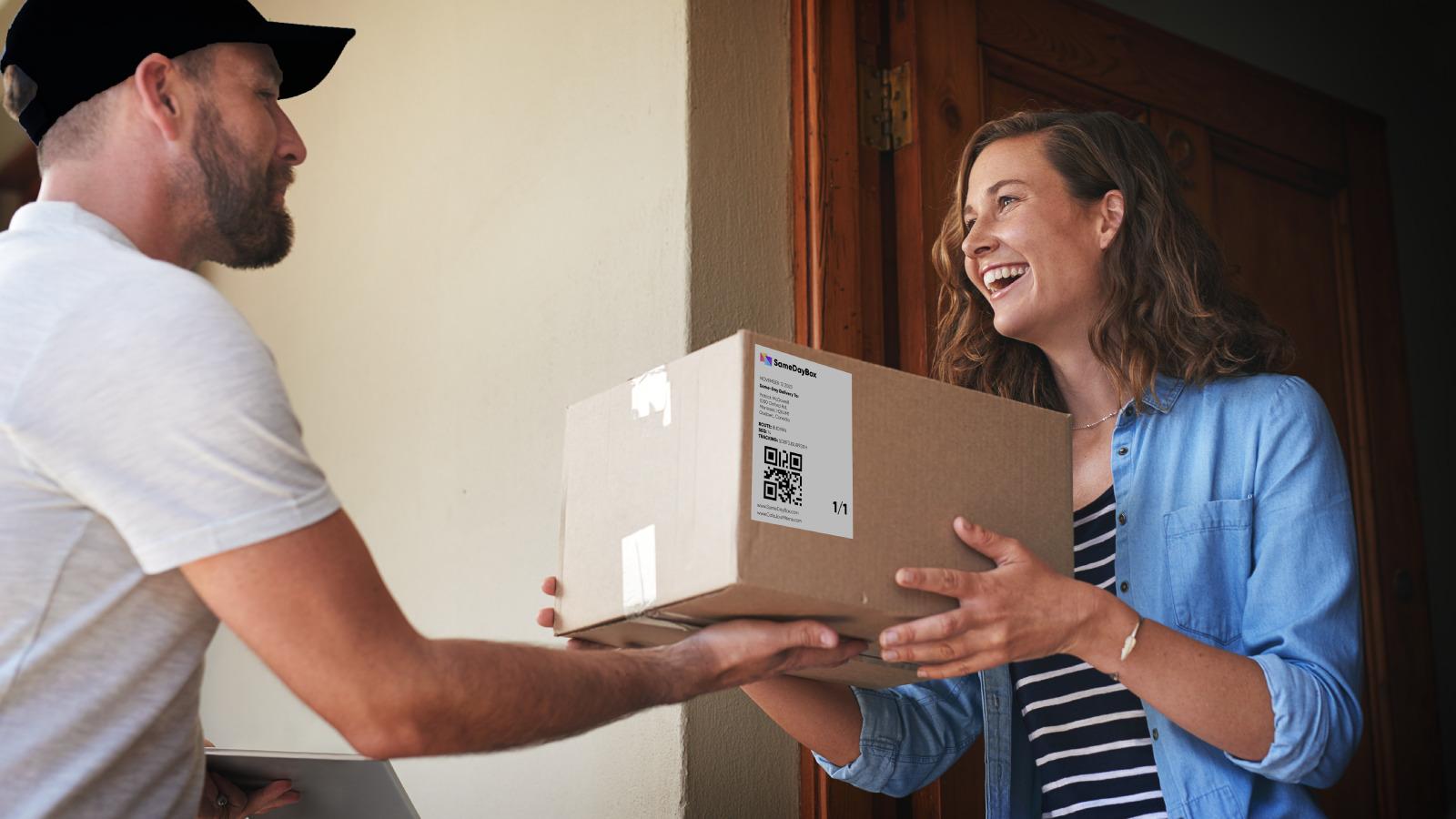
The growing expectations of modern shoppers have pushed businesses to explore faster delivery modes, including the widely promoted One Day Delivery Services. Many e-commerce brands promise next-day arrival, but customers often wonder whether this speed is achievable everywhere in India. The answer is not entirely straightforward because logistics performance depends on several operational, infrastructural, and geographic factors. Understanding how courier networks operate can help businesses and consumers know when one-day shipping is realistic and when it may face limitations.
How One-Day Delivery Works Behind the Scenes
To understand the feasibility of one-day shipping, it helps to know what happens once an order is placed. Most courier partners follow a multi-step fulfillment cycle: order pickup, hub transfer, line haul movement, sorting, dispatch, and final-mile delivery. Each of these steps requires tight coordination, minimal delays, and access to well-integrated systems.
Courier companies usually hold inventory closer to high-demand zones through micro-warehouses or regional hubs. This reduces transit time and allows packages to move quickly through the network. The entire system relies on automated sorting machines, planned route optimization, barcode scanning, and real-time tracking. If any link in this chain slows down, achieving one-day delivery becomes difficult.
Metro Cities: The Most Feasible Zones
Large metro cities – Mumbai, Delhi NCR, Bengaluru, Hyderabad, Chennai, and Kolkata have the highest success rates for one-day shipping. These regions have dense customer bases, multiple courier hubs, and strong road and air connectivity. Many carriers operate multiple pickups and dispatches throughout the day in these zones, making fast delivery practical.
Metros also have greater adoption of technology within courier fleets, such as handheld delivery devices, automated delivery notifications, and vehicle GPS systems. These factors collectively shorten the turnaround time, enabling reliable one-day movement.
Tier 2 and Tier 3 Cities: Expanding but Limited Networks
In smaller cities, infrastructure is improving, but not at the same pace as metros. Courier companies have set up new distribution centers and dedicated local routes to reduce transit gaps, but challenges still exist. Limited air cargo availability, fewer line-haul connections, and dependency on shared logistics networks can add hours, sometimes a full day of extra handling time.
While one-day delivery is possible in many Tier 2 locations for select pincodes, it is rarely universal. Businesses rely on courier mapping tools to check serviceability before promising next-day arrival to customers.
Rural and Remote Areas: The Hardest to Reach
Remote towns, rural villages, hill stations, or regions with restricted connectivity are the most difficult zones for achieving one-day shipping. Reasons include:
- Limited courier presence
- Long-distance travel to distribution hubs
- Difficult terrains
- Low daily order volumes
- Seasonal road conditions
In remote regions, courier operations depend heavily on manual handling and long-distance road travel. Even with optimized routes, the physical limitations make one-day delivery an exception rather than a standard.
Technology’s Role in Shortening Delivery Time
Over the last few years, delivery timelines have improved because of technological advancements. Machine-learning-based route optimization, automated hub operations, dynamic courier assignment, and AI-powered demand forecasting help predict peak loads and plan resources more accurately. This reduces delays and increases the probability of next-day delivery across a wider geographic area.
Real-time tracking and data analytics also help identify bottlenecks. Companies can adjust schedules, assign alternative routes, or shift packages between hubs to prevent hold-ups.
Should Businesses Promise One-Day Delivery Everywhere?
Based on industry observations, promising one-day shipping universally is not advisable. Instead, companies should rely on serviceability checks, pincode-level mapping, and courier comparison platforms before displaying next-day delivery badges. This protects customer expectations and reduces operational costs associated with failed commitments.
Conclusion
One-day shipping is certainly achievable in many parts of India, especially in metro and high-demand zones. However, extending the same speed to semi-urban and remote regions depends heavily on infrastructure, connectivity, and the efficiency of local courier networks. With expanding logistics technology and smarter route planning, coverage continues to improve each year. Still, businesses should rely on accurate pincode-level data before promising One Day Delivery Services, ensuring reliable, transparent commitments for customers across all regions.
 Greek
Greek
 English
 Arabic
 French
 Spanish
 Portuguese
 Deutsch
 Turkish
 Dutch
Dutch
 Italiano
 Russian
 Romaian
 Portuguese (Brazil)