


How Much Does a Baritone Saxophone Weigh? What to Expect
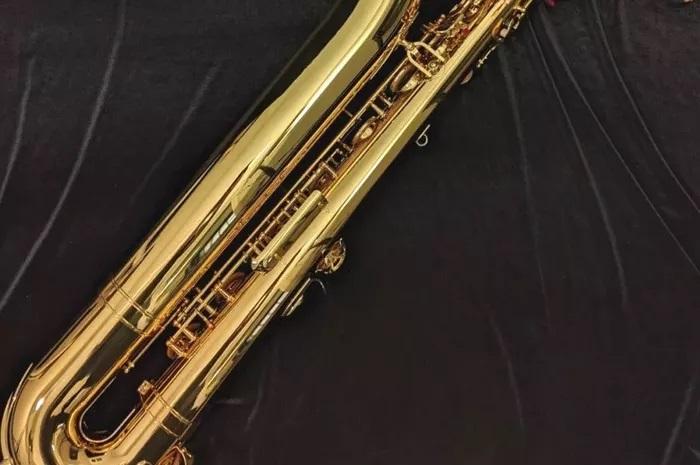
The baritone saxophone is a striking and powerful member of the saxophone family. Known for its deep, rich tone and impressive size, it naturally raises the question: how much does a baritone saxophone weigh? This question is essential not only for musicians considering purchasing one but also for players wanting to understand the physical demands of handling this instrument.
In this detailed article, we will explore everything you need to know about the weight of the baritone saxophone. From average weight ranges, factors influencing weight differences, how the weight affects playability, and tips on carrying and maintaining the instrument, this guide covers all bases. Whether you are a beginner, a student, or a seasoned pro, understanding the weight of your instrument is critical for comfort, performance, and care.
What Is a Baritone Saxophone?
The baritone saxophone, often shortened to bari sax, is the second-largest saxophone in common use after the bass saxophone. It plays in the low register and produces a deep, warm sound that fills out jazz bands, concert bands, and saxophone ensembles.
Its physical size is much larger compared to alto or tenor saxophones, making its weight a crucial consideration for anyone who plays or transports it. Before diving into the specifics of weight, it’s useful to understand the construction and typical materials used, as these directly affect the instrument’s mass.
Materials and Construction Affecting Weight
The baritone saxophone is primarily constructed from brass, which is then lacquered or plated for protection and aesthetics. The thickness of the brass, the amount of keywork, the size of the neck and bell, and additional reinforcements all influence its weight.
High-quality professional models may use thicker brass and more robust key mechanisms, which can add to the overall weight. Conversely, student models often prioritize lighter construction for easier handling. Some brands also offer lightweight bari saxophones using thinner brass or alternative materials, but these remain exceptions rather than the norm.
Average Weight of a Baritone Saxophone
On average, a standard baritone saxophone weighs between 13 to 16 pounds (approximately 6 to 7.5 kilograms). This range can vary depending on the make, model, and additional features such as neck straps, ligatures, and mouthpieces.
For context:
Student Models: Typically around 13 to 14 pounds (6 to 6.5 kg). These instruments often prioritize lighter materials to accommodate younger or less experienced players.
Intermediate Models: Usually fall between 14 to 15 pounds (6.5 to 7 kg), offering a balance between durability and weight.
Professional Models: Can weigh between 15 to 16 pounds (7 to 7.5 kg) or slightly more due to thicker brass and added features for better sound and durability.
Comparison with Other Saxophones
To fully grasp the baritone saxophone’s weight, it’s helpful to compare it with other saxophones:
Alto Saxophone: Weighs about 5 to 6 pounds (2.3 to 2.7 kg).
Tenor Saxophone: Weighs about 7 to 9 pounds (3.2 to 4.1 kg).
Baritone Saxophone: Weighs about 13 to 16 pounds (6 to 7.5 kg).
Bass Saxophone: Heavier still, usually around 20 pounds (9 kg) or more.
The baritone saxophone’s significant weight makes it the heaviest common saxophone many players will encounter, apart from the bass saxophone, which is rarely used.
Factors Influencing the Weight of a Baritone Saxophone
Brand and Model Variations
Different manufacturers use varying design philosophies and materials, resulting in weight differences. For example, Selmer, Yanagisawa, and Yamaha baritone saxophones are known for their solid build and consistent weight but can vary slightly.
Materials and Finish
The thickness of brass and choice of finish (lacquer, silver plating, or gold plating) influence weight. Gold-plated saxophones tend to be slightly heavier than lacquered ones due to the plating thickness.
Additional Keywork and Features
Extra keys for alternate fingerings or adjustments, adjustable thumb rests, and reinforced neck braces can add weight. Some professional models include these features to enhance playability and durability.
Mouthpieces and Accessories
While not technically part of the saxophone’s body, mouthpieces and ligatures add weight to the overall setup a player carries. The mouthpiece alone can weigh from a few ounces to over a pound depending on its material and design.
How Weight Affects Playability and Comfort
Due to its size and weight, the baritone saxophone requires more physical strength and stamina to play comfortably, especially during long rehearsals and performances. The instrument’s weight affects breath control, posture, and finger agility.
Holding and Support
Most players use a strong neck strap or harness to distribute the weight evenly. A well-padded strap or a specialized harness can reduce strain on the neck and shoulders, preventing fatigue and injury.
Posture and Technique
Good posture is essential to handle the weight effectively. Players often need to strengthen their core and upper body muscles to maintain proper technique and avoid slouching or tension.
Tips for Managing Baritone Saxophone Weight
Use a Quality Neck Strap or Harness
Invest in a heavy-duty neck strap or harness designed specifically for bari saxophones. These products spread the instrument’s weight across your shoulders, reducing neck strain.
Practice Proper Posture
Stand or sit straight with relaxed shoulders. Avoid leaning forward or slouching to compensate for the saxophone’s weight. This helps maintain airflow and finger dexterity.
Strength Training
Consider exercises that strengthen your back, shoulders, and core. A stronger upper body can better support the baritone saxophone and improve endurance.
Use a Gig Bag with Wheels or a Hard Case
Transporting a baritone saxophone can be challenging due to its size and weight. A wheeled case or a sturdy hard case with wheels can ease the burden during travel.
Why Weight Matters When Choosing a Baritone Saxophone
The weight of the instrument affects daily use, especially for younger players, beginners, or anyone with physical limitations. Understanding the weight helps in making an informed decision about which model to buy.
Consider Your Physical Stamina
If you have less upper body strength, opting for a lighter model or one designed for easier handling can make practicing more enjoyable.
Longevity and Durability
Heavier instruments often indicate more robust construction, which may translate to better sound and longer lifespan but can also mean more physical strain.
Resale and Transport
Lighter instruments tend to be more portable and may have higher resale value among traveling musicians or students.
Conclusion
The weight of a baritone saxophone is a vital aspect to consider for any player. Averaging between 13 to 16 pounds, the bari saxophone demands respect for its physical size and presence. Understanding this weight helps musicians prepare for the physical demands of playing, transporting, and caring for this magnificent instrument.
Whether you are looking for your first baritone saxophone or upgrading to a professional model, knowing the typical weight range and how to manage it ensures you enjoy a rewarding playing experience without unnecessary strain.
 Dutch
Dutch
 English
 Arabic
 French
 Spanish
 Portuguese
 Deutsch
 Turkish
 Italiano
 Russian
 Romaian
 Portuguese (Brazil)
 Greek
Greek