


Can Thermal Flow Meters Be Used in Hazardous Environments?
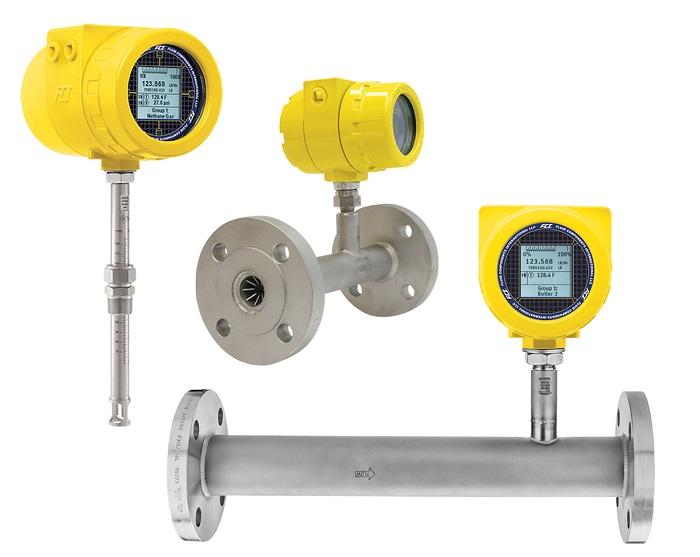
The increasing demand for accurate flow measurement in industrial settings has encouraged engineers to evaluate the suitability of various instruments under extreme operating conditions. Among these options, thermal flow meters stand out for their sensitivity, reliability, and versatility. Yet one important question remains central to safe system design: Can thermal flow meters be used in hazardous environments? This article explores that question in depth. It analyzes design features, operating principles, certification requirements, and application challenges. It uses simple clauses and applies detailed subheadings to offer a clear and structured explanation.
Understanding Hazardous Environments
Hazardous environments involve ignition risks
A hazardous environment contains conditions that may ignite. It may contain combustible gas. It may contain vapor. It may contain dust. It may contain fibers. Heat, sparks, or electrical faults can trigger ignition. In such environments, safety is essential. Every instrument must prevent accidental ignition. Every component must avoid creating sparks. Every system must withstand harsh temperatures and pressures.
Industrial sectors often present these dangers
Oil refineries create flammable vapors. Chemical plants emit volatile gases. Pharmaceutical plants use powders. Food processing facilities generate dust. These scenarios require careful planning. They require strict equipment selection. They require continuous monitoring and certification.
How Thermal Flow Meters Operate
The principle is based on heat transfer
Thermal flow meters measure flow by monitoring heat dissipation. A heated sensor cools as gas flows past it. The rate of cooling reveals the flow rate. The system compares temperature changes. It then calculates mass flow. This operation requires no moving parts. It creates minimal pressure loss. It offers high sensitivity. It performs well in low flow conditions.
The simplicity helps in harsh settings
Because components remain stationary, mechanical wear is low. The sensor requires little maintenance. The meter works reliably in dirty gas streams. The absence of moving parts reduces failure risks. The design supports stable measurement in difficult conditions.
The Suitability of Thermal Flow Meters in Hazardous Locations
Many thermal flow meters support hazardous area use
Manufacturers design many models for hazardous locations. They construct enclosures that prevent ignition. They seal electronic components. They add temperature protection. They ensure durability. These features allow the meters to function safely near flammable materials.
Certification determines suitability
Safety in hazardous environments depends on certification. Devices must meet standards. They must show safe performance. They must follow global guidelines. Certified thermal flow meters can be installed in explosive settings.
Certification Standards and Why They Matter
ATEX certification for European facilities
ATEX provides rules for equipment in explosive atmospheres. It classifies zones. It requires strict testing. A thermal flow meter with ATEX approval may be used in European hazardous zones. The device must prevent ignition. It must remain contained. It must withstand abnormal conditions.
IECEx certification for global safety
IECEx certification ensures safety across international markets. It tests electrical devices thoroughly. It confirms safe operation under explosive conditions. A thermal flow meter with IECEx certification can be used in many countries. It ensures that design and construction meet global expectations.
North American approvals
In the United States and Canada, FM and CSA approvals matter. They classify hazardous divisions. They confirm safe designs. They verify that electrical parts cannot ignite gases or dust. A meter with these approvals can operate safely in North American hazardous sites.
Design Features That Support Hazardous Environment Use
Explosion proof housings
Explosion proof housings contain ignition. They prevent internal sparks from reaching the environment. They resist high pressure. They protect electronics. Thermal flow meters with explosion proof housings can operate near flammable gases or vapors. The design ensures containment even if internal faults occur.
Intrinsically safe circuits
Intrinsically safe circuits limit electrical energy. They reduce the chance of sparks. They lower heat generation. They make instruments safe in hazardous atmospheres. Many thermal flow meters use intrinsically safe wiring. They rely on isolation barriers. They protect both the meter and the surrounding environment.
Sealed sensors and rugged materials
Sealed sensors protect hot-wire elements. They prevent contamination. They reduce corrosion. Stainless steel materials resist chemicals. Durable designs support meters used in extreme temperatures. These construction choices help the meter survive long-term operation in hazardous settings.
Performance Considerations in Hazardous Use
Temperature affects thermal behavior
Thermal flow measurement depends on heat transfer. Extreme ambient temperatures influence this transfer. Hazardous sites often experience heat. They may involve cold conditions. The meter must compensate for temperature shifts. Many models include advanced temperature correction. They maintain accuracy even under environmental stress.
Gas composition influences calibration
Thermal flow meters respond to gas composition. Hazardous environments often contain mixed gases. Some gases may be corrosive. Some may change density. Calibration must match the actual gas. If gas composition fluctuates, adjustments may be needed. Proper calibration ensures reliable performance.
Condensation and dust can interfere
Moisture or dust may collect around sensors. Hazardous plants may contain both. Some thermal flow meters include protective coatings. Others include purge functions. These features help maintain accuracy. Maintenance must be scheduled. Cleaning may be required.
Installation Requirements for Hazardous Locations
Proper sensor placement
Sensor placement affects accuracy. Hazardous pipelines require careful installation. Straight pipe runs help stabilize flow. Vibrations must be minimized. The environment may limit placement options. Engineers must evaluate the safest and most effective installation point.
Adequate electrical protection
Cabling must follow safety rules. Intrinsically safe barriers must be installed correctly. Conduits must be sealed. Connectors must prevent sparks. Authorized technicians must verify the installation. Compliance ensures safe and stable operation.
Routine inspection increases safety
Hazardous sites require routine inspections. Thermal flow meters must be checked for damage. Seals must be inspected. Electrical connections must be tested. Regular oversight prevents accidents.
Advantages of Thermal Flow Meters in Hazardous Environments
Low maintenance increases safety
Low maintenance reduces exposure. Workers enter hazardous zones less often. This reduces risk. The meter’s simple design helps maintain consistent performance for long periods.
Accurate measurement supports process control
Accurate flow data prevents dangerous conditions. It helps regulate pressure. It helps manage gas distribution. It reduces leaks. It increases efficiency. Reliable data supports safer operations.
Energy efficiency benefits the facility
Thermal flow meters often consume low power. Intrinsically safe designs reduce electrical load. Lower energy use reduces heat output. This helps maintain safety in explosive atmospheres.
Limitations and Challenges in Hazardous Use
Not ideal for liquids
Thermal flow meters measure gases best. Liquids absorb heat differently. Hazardous sites that involve liquids may require other meters. The engineer must choose the right technology.
Sensor damage from corrosive gases
Some hazardous gases can corrode sensors. Special coatings may be needed. Incorrect materials may fail. Careful selection of materials prevents premature wear.
Response time can vary
Some thermal meters respond slower in heavy gas mixes. Hazardous environments may contain dense gases. Engineers must verify response speed for critical applications.
Conclusion
Thermal flow meters can be used safely and effectively in hazardous environments when they include proper certification, suitable housing, and adequate installation practices. Their simple operation, lack of moving parts, and low maintenance requirements make them well suited for dangerous industrial settings. With ATEX, IECEx, FM, or CSA approvals, thermal flow meters can offer accurate, dependable measurement while maintaining strict safety standards. When correctly applied and properly maintained, they provide reliable performance in settings where precision and safety must work together.
 Turkish
 English
 Arabic
 French
 Spanish
 Portuguese
 Deutsch
 Dutch
Dutch
 Italiano
 Russian
 Romaian
 Portuguese (Brazil)
 Greek
Greek