


Explore the Night Sky: Find the Best Telescope for Viewing Planets with the Pie Matrix Method
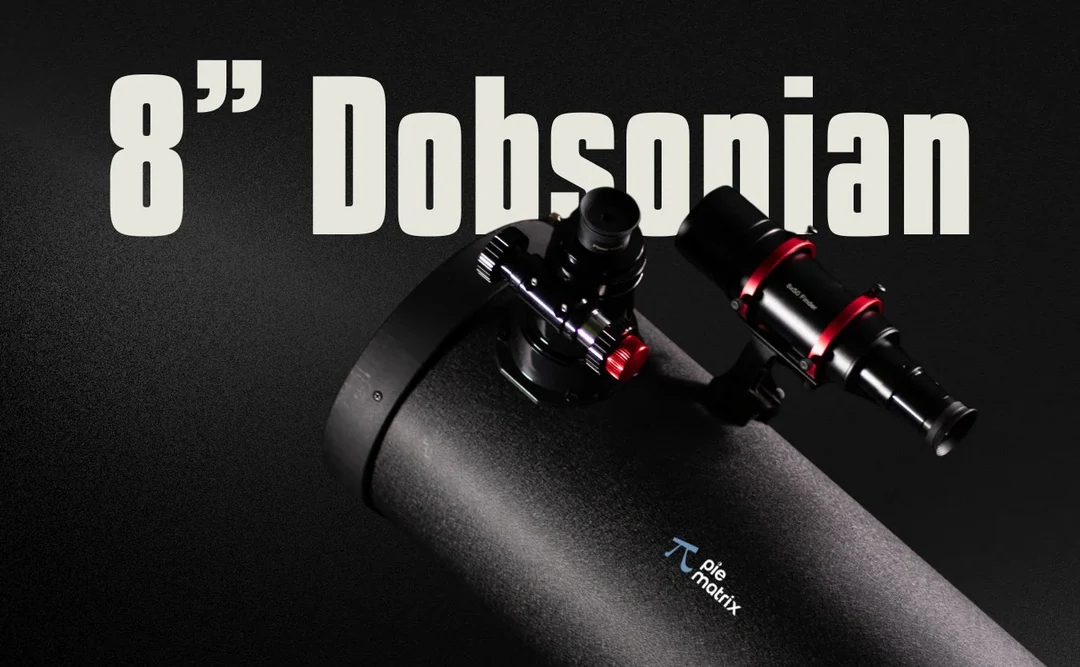
Stargazing is one of the most peaceful and inspiring hobbies you can have. Whether you’re mesmerized by the moon’s craters, the rings of Saturn, or the glowing bands of Jupiter, all you really need to get started is a bit of curiosity and the right telescope. At Pie Matrix, we believe choosing the right equipment doesn’t have to be complicated — it’s about understanding what fits your needs and budget.
Think of your stargazing setup as a “pie matrix” — a combination of essential slices that work together for an amazing experience. These slices include equipment, location, knowledge, technique, and comfort. When you balance these five elements, you’ll get the best possible view of the night sky — even with an entry-level telescope.
The Equipment Slice: Choosing the Best Affordable Telescope
The heart of any stargazing setup is your telescope. But with so many options available, beginners often wonder which one is the best affordable telescope that delivers great performance without breaking the bank.
When buying a telescope for the first time, keep three things in mind — aperture, focal length, and mount stability. Aperture determines how much light your telescope gathers; a larger aperture reveals fainter stars and clearer planetary details. Focal length affects magnification — longer focal lengths give you sharper views of planets. Finally, the mount should be stable enough to prevent vibrations, which can blur your view.
For newcomers, refractor telescopes are often the easiest to use, requiring little maintenance. Reflector telescopes, on the other hand, offer bigger apertures for the same price, making them a great choice for those who want more detail when viewing planets and deep-sky objects.
The Best Telescope for Viewing Planets
If your goal is to explore our solar system, the best telescope for viewing planets will have at least a 70–100 mm aperture and a stable mount. With this setup, you’ll be able to see Jupiter’s cloud bands, Saturn’s iconic rings, and even Mars’ reddish surface.
A few reliable options include 70 mm refractors or 114 mm reflectors — both offer great clarity and value. If you have a little more to spend, telescopes with 102 mm or 130 mm apertures deliver even crisper details. These models are excellent for spotting the Moon’s rugged landscape, Venus’s changing phases, or the distant blue hue of Neptune on a clear night.
Pie Matrix’s range of beginner-friendly scopes, like the Pie Matrix Neo Refractor Telescope, are designed for easy setup and stable viewing. With simple adjustments, even first-time observers can align their scope and enjoy bright, detailed views of celestial wonders.
Planning Your Stargazing Session
Even the best telescope won’t show much if you don’t prepare well. A good stargazing session depends on dark skies, good weather, and patience. Choose a clear night away from city lights, and allow your eyes to adjust to the darkness. Using a red flashlight can help you see your equipment without losing night vision.
Make sure to plan what you want to observe. Apps and star charts can help you locate planets and constellations, while a simple notebook lets you record your observations. Over time, you’ll learn to recognize the best times to view certain planets — for instance, Jupiter and Saturn are brightest in opposition, while Venus shines in the early evening sky.
The Pie Matrix Approach to Astronomy
Using the “pie matrix” method ensures you pay attention to every detail of the stargazing experience. You don’t just buy a telescope — you create a balanced setup that includes good preparation, technique, and comfort.
Here’s a quick way to build your own pie matrix for astronomy:
-
Equipment: Invest in the best affordable telescope that meets your needs.
-
Location: Find a dark, open spot with minimal light pollution.
-
Knowledge: Learn which planets or stars are visible before you go out.
-
Technique: Practice focusing and adjusting your telescope.
-
Comfort: Dress warmly, bring a chair, and enjoy the calm of the night sky.
Conclusion
Stargazing doesn’t have to be expensive or complicated. With a little planning and the right telescope, anyone can enjoy breathtaking views of the cosmos. Whether you’re hunting for the best telescope for viewing planets or simply a telescope for stargazing with family, remember that balance is key — your “pie matrix” of preparation, equipment, and passion will determine how magical your nights under the stars become.
 Deutsch
 English
 Arabic
 French
 Spanish
 Portuguese
 Turkish
 Dutch
Dutch
 Italiano
 Russian
 Romaian
 Portuguese (Brazil)
 Greek
Greek