


What Note Does the English Horn Tune To? It’s Important
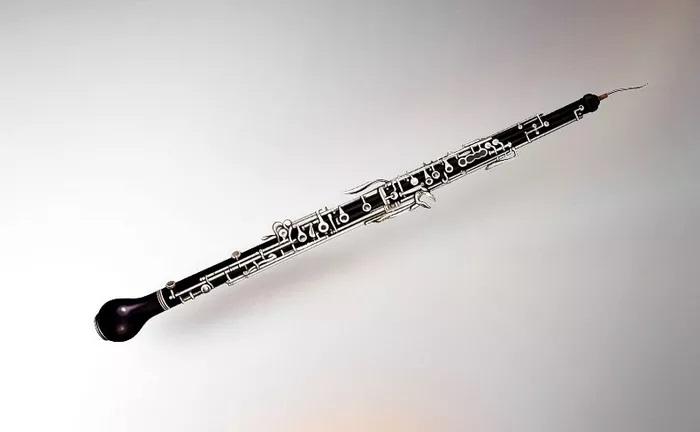
When it comes to orchestral instruments, tuning is a fundamental component of cohesive performance. Among the woodwind family, the English horn holds a unique place due to its pitch, transposition, and usage. A common question asked by musicians and music students alike is: What note does the English horn tune to? Unlike its sibling, the oboe, the English horn does not tune to an A. Understanding what note the English horn uses for tuning involves exploring its transposition, tonal structure, and orchestral role.
What is the English Horn?
The English horn, or cor anglais, is a double reed woodwind instrument in the oboe family. It is pitched in F, a perfect fifth lower than the oboe which is in C. This means when an English hornist plays a written C, the concert pitch produced is actually an F.
Understanding Transposing Instruments
Before diving into the specific tuning practices of the English horn, it’s essential to grasp the concept of transposing instruments. A transposing instrument is one where the written music does not match the sounding pitch. This is done for practical reasons, primarily to allow players to use familiar fingerings across related instruments.
For the English horn, which is a transposing instrument in F, every note played sounds a perfect fifth lower than written. For example, a written C produces a concert F. This characteristic directly influences how the instrument is tuned within an ensemble setting.
What Note Does the English Horn Tune To?
The standard tuning note for most orchestral instruments is A440 – that is, the note A above middle C, vibrating at 440 Hz. The oboe typically gives this pitch to the orchestra. However, the English horn, being in F, must adjust for its transposition.
To produce a concert A (A440), the English horn player must play a written E. Because the English horn sounds a fifth lower, that written E becomes a sounding A. Therefore, the English horn tunes to a written E to produce a concert A.
Why the English Horn Tunes to a Written E
This tuning note is not arbitrarily chosen. It is selected specifically to align with the rest of the orchestra, particularly during collective tuning. Most orchestras tune to a concert A, so the English horn must sound an A in response. Since the instrument is pitched in F, achieving that A requires playing a written E.
In practice, this ensures the English horn is in harmonic agreement with the ensemble. Though not always required to tune publicly like the oboe, the English horn must still be in pitch alignment during rehearsals and performances. Tuning to a written E ensures this consistency.
Comparison with Other Instruments
Tuning practices differ depending on the instrument. The oboe, for instance, plays a written A to produce a concert A. Clarinet in B♭ plays a written B to produce a concert A. French horn in F, like the English horn, plays a written E to sound a concert A. Understanding these differences is essential for orchestrators, conductors, and performers.
Below is a brief comparison:
Oboe (C instrument): Written A = Concert A
Clarinet in B♭: Written B = Concert A
Horn in F: Written E = Concert A
English Horn in F: Written E = Concert A
These variations in tuning notes reflect the transposition intervals of each instrument and are integral to proper ensemble integration.
Orchestral Context and the Role of the English Horn
The English horn plays a unique role in the orchestra. Known for its dark, rich timbre, it is often used for solo passages or to evoke melancholic and pastoral moods. Despite being a transposing instrument, its tuning must align precisely with non-transposing instruments to preserve ensemble harmony.
In rehearsals, the English hornist might use an electronic tuner, a tuning fork, or reference the oboist’s A to tune their written E accordingly. Orchestral etiquette usually means the oboist provides the A, and other woodwinds tune to that. The English horn is often exempt from public tuning due to its auxiliary status, but still must be carefully tuned behind the scenes.
English Horn Reed Impact on Tuning
Reeds are a significant factor in tuning for any double reed instrument. The dimensions, scrape, cane density, and humidity retention all influence pitch. An English horn reed that is too hard or too soft can result in unstable tuning.
Professional English horn players often make their own reeds, adjusting them to produce a reliable written E that matches concert A. They may also carry several reeds suited to different acoustic conditions. This flexibility allows for more consistent intonation and a better blending sound.
Tuning in Chamber Music and Solo Settings
Outside the orchestra, the English horn is also used in chamber music and solo works. In these contexts, tuning practices may vary. Instead of tuning to a full orchestra, the English hornist may tune directly with a piano, string quartet, or another instrument.
Regardless of the setting, the written E remains the standard note used to achieve concert A, maintaining consistent tuning practice across performance environments.
Conclusion
So, what note does the English horn tune to? The answer is a written E, which sounds a concert A. This detail, though small, is a fundamental part of the instrument’s role in ensemble tuning. It reflects the broader principles of transposition, orchestral integration, and the technical demands of playing the English horn.
Proper tuning is a sign of professionalism and respect for the music. For the English horn, it’s also a demonstration of understanding the instrument’s unique structure and tonal identity. Whether in the back row of the orchestra or featured in a solo line, the English hornist ensures perfect pitch through careful tuning, skilled reed work, and keen listening.
 Portuguese
 English
 Arabic
 French
 Spanish
 Deutsch
 Turkish
 Dutch
Dutch
 Italiano
 Russian
 Romaian
 Portuguese (Brazil)
 Greek
Greek