


Key Points about Marine Window
Ship windows, commonly referred to as marine windows or portholes, play a pivotal role in the design and operation of maritime vessels. These windows are integral components of ship architecture, serving essential functions such as providing natural illumination, facilitating vision, and enabling ventilation. However, they face unique challenges due to exposure to extreme environmental conditions, including water pressure, saltwater corrosion, and impact from waves and debris. This article delves into the realm of marine windows, exploring their significance, design considerations, materials, and various types utilized in maritime applications.
Significance of Marine Windows
Marine windows serve a multitude of crucial functions aboard ships and vessels.
Natural Lighting:
Natural light streaming through marine windows eliminates the need for artificial lighting during daylight hours, creating a more comfortable environment for both passengers and crew members.
Visibility and Navigation:
Clear marine windows provide crew members with an unobstructed view, aiding in navigation, situational awareness, and ensuring safety during maneuvers.
Ventilation:
Hinged marine windows can be opened to provide ventilation, enhancing air circulation and contributing to the comfort of passengers and crew.
Emergency Access:
In emergency situations, marine windows can serve as alternate escape routes, offering additional safety measures for evacuations.
Aesthetics:
Well-designed marine windows enhance the visual appeal of the vessel, contributing to its overall aesthetics.
Design Considerations for Marine Windows
Several factors are taken into account when designing marine windows.
Shape and Size:
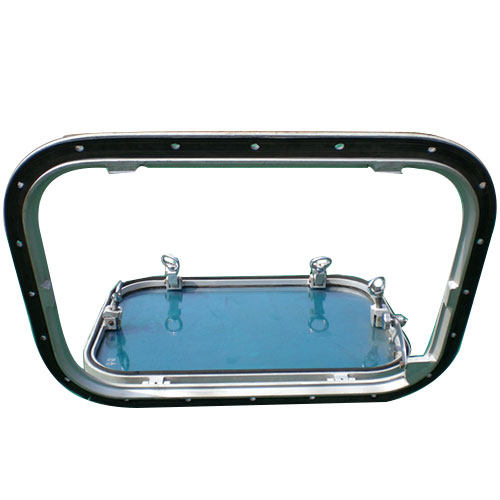
Marine windows come in various shapes and sizes, depending on the type and purpose of the vessel. Circular portholes are common in smaller vessels, while larger ships typically feature rectangular or oval windows.
Materials:
The choice of materials is crucial for durability and safety. Common materials include tempered glass, laminated glass, acrylic (PMMA), and polycarbonate.
Framing:
Frames, typically made of stainless steel, aluminum, or marine-grade brass, provide structural stability, watertightness, and corrosion protection in the marine environment.
Watertightness:
Maintaining watertight seals is crucial to prevent water ingress during severe seas. The sealing mechanisms of both windows and frames play a critical role in ensuring water resistance.
Double Glazing:
Many modern marine windows incorporate double glazing to improve insulation, prevent condensation, and regulate interior temperatures.
Hinged or Fixed:
Marine windows can be either fixed or hinged, with hinged windows offering the option of ventilation.
Materials Used in Marine Windows
Choosing the right materials is essential for durability and performance.
Tempered Glass:
Known for its strength and safety characteristics, tempered glass shatters into less dangerous fragments upon breaking.
Laminated Glass:
Comprising two or more layers with an interlayer substance, laminated glass remains intact even if fractured, enhancing safety.
Acrylic (PMMA):
A lightweight and impact-resistant alternative, acrylic offers clarity and UV protection but may require more frequent maintenance.
Polycarbonate:
Another lightweight and impact-resistant material suitable for rough sea conditions due to its high tensile strength and clarity.
Common Types of Marine Windows
Portholes:
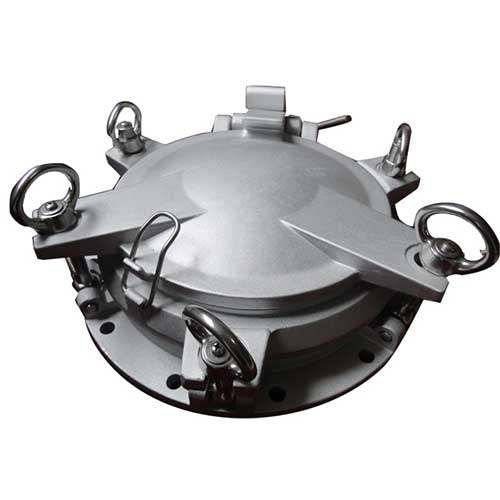
Small side scuttle porthole windows are popular on smaller ships and boats, providing ventilation and lighting with a classic nautical appearance.
Fixed Windows:
Non-operable windows securely sealed shut, commonly found in areas where ventilation is not a primary concern.
Sliding Windows:
Aluminum sliding windows with panels that can slide horizontally or vertically, offering ventilation options while maintaining a secure seal.

Hinged Windows:
Windows with panels that pivot on one side, allowing for outward opening, commonly used in cabins and areas where controlled airflow is desired.
Windows with Storm Shutters:
Some marine windows come equipped with storm shutters or covers for additional protection during adverse weather conditions.
Conclusion
Marine windows play a vital role in maritime vessels, providing essential services such as illumination, visibility, ventilation, and safety. Their design and construction must withstand the harsh marine environment. Advancements in materials and construction processes have led to modern marine windows offering enhanced durability, safety, and aesthetics, contributing to the efficiency and comfort of maritime operations. As the maritime industry continues to evolve, marine window design and technology are likely to witness further advancements to meet the sector's ever-growing demands.
 Romaian
 English
 Arabic
 French
 Spanish
 Portuguese
 Deutsch
 Turkish
 Dutch
Dutch
 Italiano
 Russian
 Portuguese (Brazil)
 Greek
Greek