


The Precision Path: Unveiling Tunneler Surgery

Modern surgery is a field of constant advancement, where precision and minimal invasion are paramount. Among the many techniques that define contemporary surgical practice, tunneler surgery stands out as a critical method for creating pathways within the body. This approach allows surgeons to place grafts, catheters, or other medical devices with remarkable accuracy while minimizing tissue trauma. It is a testament to how refined techniques, supported by expertly crafted instruments, can significantly improve patient outcomes.
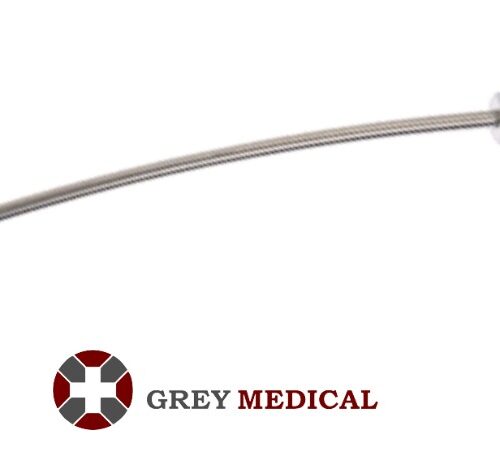
What is Tunneler Surgery?
At its core, tunneler surgery involves the use of a specialized instrument, known as a tunneler, to create a subcutaneous (under the skin) tunnel. This tunnel serves as a conduit, connecting two separate points within the body. Surgeons use this technique for a variety of procedures, most notably in vascular and cardiovascular surgery. For instance, when creating an arteriovenous (AV) fistula for dialysis access, a tunneler helps guide a vein graft through a precise path, ensuring it is positioned correctly for long-term function. The goal is to establish a secure and direct route without disturbing surrounding tissues unnecessarily.
The Role of Specialized Instruments
The success of any tunneler surgery depends heavily on the quality and design of the surgical instruments used. A well-designed tunneler allows for smooth passage, reduces the risk of tissue damage, and provides the surgeon with tactile feedback and control. Companies at the forefront of medical technology, like GreyMedical®, understand these demands. As a privately owned company dedicated to innovation and excellence, GreyMedical® focuses on crafting surgical instruments that meet the high standards required for such delicate procedures. Their commitment to quality ensures that surgeons have reliable tools, which is fundamental to achieving the precision that tunneler surgery demands.
Benefits and Applications
The primary benefit of tunneler surgery is its minimally invasive nature. By creating a small, direct path, surgeons avoid the need for large incisions, which leads to less scarring, reduced pain, and faster recovery times for the patient. This technique is indispensable in procedures like peripheral artery bypass, where a graft must be routed around a blockage, or in placing shunts for hydrocephalus treatment. The ability to navigate complex anatomical structures with such control highlights the elegance and effectiveness of this surgical method. It embodies the modern surgical principle of achieving maximum therapeutic benefit with minimal physical impact, enhancing both safety and patient satisfaction.
 French
 English
 Arabic
 Spanish
 Portuguese
 Deutsch
 Turkish
 Dutch
Dutch
 Italiano
 Russian
 Romaian
 Portuguese (Brazil)
 Greek
Greek