


Vacuum Pump Suppliers: Understanding Their Role in Industrial and Scientific Applications
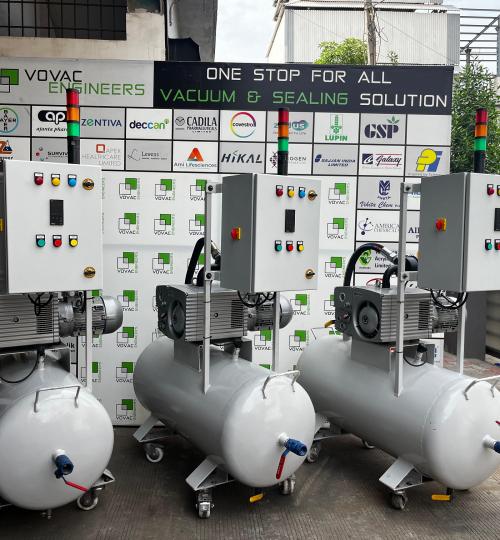
Vacuum technology plays a vital role in numerous industries across the United States. From manufacturing and research to healthcare and environmental applications, vacuum systems enable processes that require controlled pressure and contamination-free environments. Central to this ecosystem are vacuum pump suppliers, who provide the equipment, expertise, and technical support necessary to keep industries functioning efficiently.
Understanding the function, responsibilities, and challenges faced by vacuum pump suppliers offers valuable insight into how the U.S. industrial and scientific landscape maintains high performance and technological advancement.
1. The Role of Vacuum Pump Suppliers
Vacuum pump suppliers serve as a critical link between manufacturers of vacuum equipment and the industries that rely on it. Their responsibilities extend beyond simply distributing hardware. They play an essential role in ensuring that each customer—whether a small research lab or a large manufacturing facility—receives pumps that meet specific performance and process requirements.
The primary responsibilities of vacuum pump suppliers include:
-
Providing technical consultation: Helping clients choose the right pump type based on pressure range, gas compatibility, and process conditions.
-
Ensuring product quality and compliance: Supplying equipment that adheres to U.S. safety, energy, and environmental standards.
-
Offering maintenance guidance: Providing information and resources on installation, operation, and service requirements.
-
Supporting diverse industries: Serving a broad range of applications from electronics and pharmaceuticals to food processing and renewable energy.
Suppliers often act as both educators and facilitators, helping industries implement vacuum technology effectively while maintaining operational reliability.
2. The U.S. Market for Vacuum Pump Suppliers
In the United States, demand for vacuum technology continues to rise, driven by growth in semiconductor fabrication, biotechnology, space research, and green energy initiatives. These developments have expanded the need for specialized vacuum systems and, in turn, for reliable vacuum pump suppliers capable of meeting these evolving technical standards.
The U.S. market is characterized by:
-
Technological diversity: From mechanical rotary pumps to turbomolecular and dry screw pumps, suppliers provide a variety of technologies tailored to different applications.
-
Regional distribution: Major industrial hubs—such as California, Texas, and the Midwest—see significant concentration of suppliers due to local manufacturing and research activities.
-
Service-based value: Many suppliers differentiate themselves by offering expertise, ensuring that customers receive not only equipment but also long-term technical support.
As industries transition toward cleaner and more energy-efficient operations, the role of vacuum pump suppliers becomes increasingly strategic in helping organizations modernize their systems.
3. Types of Vacuum Pumps Offered by Suppliers
To serve diverse applications, vacuum pump suppliers in the U.S. offer a range of pump types. Each type functions differently and is suited to specific process requirements:
-
Rotary Vane Pumps: Common in laboratories and light industrial settings; ideal for low to medium vacuum applications.
-
Diaphragm Pumps: Oil-free options often used in clean or sensitive processes such as medical or environmental testing.
-
Dry Screw Pumps: Designed for industries that require contamination-free operation, such as semiconductors or pharmaceuticals.
-
Roots Blowers: Used in combination with other pumps to achieve higher vacuum levels and faster evacuation speeds.
-
Turbomolecular Pumps: Essential in high-vacuum or ultra-high-vacuum environments like space simulation and thin-film deposition.
-
Liquid Ring Pumps: Suitable for processes involving vapors or wet gases, often found in chemical and food industries.
By offering this range, vacuum pump suppliers ensure that customers can select the appropriate equipment for both performance and cost efficiency.
4. Selection Criteria for Vacuum Pump Suppliers
Choosing the right vacuum pump supplier is crucial for ensuring operational reliability. When evaluating potential suppliers, organizations typically consider several key factors:
-
Technical Expertise: Suppliers must possess a deep understanding of vacuum principles and the ability to recommend the right type and configuration of pumps for specific applications.
-
Range of Products: A wide selection of pump technologies allows for customized solutions across industries.
-
Compliance Standards: Suppliers must adhere to U.S. and international standards, such as ISO, ANSI, and ASME regulations.
-
After-Sales Support: Maintenance, spare parts availability, and troubleshooting assistance are essential for minimizing downtime.
-
Lead Times and Logistics: Efficient supply chains ensure that pumps and parts are delivered promptly, especially for time-sensitive operations.
Reliable vacuum pump suppliers distinguish themselves by providing a balance of technical capability, quality assurance, and operational support.
5. Applications Supported by Vacuum Pump Suppliers
Vacuum technology supports a wide variety of industries in the U.S., each with its own set of performance demands. Vacuum pump suppliers play an essential role in meeting these diverse application needs:
-
Semiconductor Manufacturing: Pumps are critical for wafer processing, deposition, and etching under clean and controlled conditions.
-
Pharmaceutical and Biotechnology: Used in freeze-drying, filtration, and packaging applications requiring sterile environments.
-
Food and Beverage Processing: Vacuum systems support packaging, dehydration, and flavor concentration processes.
-
Automotive and Aerospace: Employed in component testing, coating, and fuel system research.
-
Research Laboratories: Used in material science, environmental testing, and analytical instruments.
-
Renewable Energy Production: Supports solar panel manufacturing, wind turbine blade production, and battery development.
Each of these industries depends on vacuum pump suppliers for reliable access to specialized technologies and technical expertise.
6. The Supply Chain Perspective
Vacuum pump suppliers are an integral part of a broader supply chain that includes manufacturers, distributors, and end users. In the U.S., this network is shaped by both domestic production and international partnerships.
-
Manufacturers design and produce vacuum pumps based on global industry standards.
-
Suppliers distribute and customize solutions according to local industry needs.
-
End users integrate these systems into production or research operations.
Efficient coordination among these players ensures consistent supply, compliance with regulations, and responsive customer support. The resilience of this supply chain is especially important during periods of global disruption, such as material shortages or shifts in manufacturing demand.
7. Emerging Trends Among Vacuum Pump Suppliers
As industries evolve, so too do the expectations placed on suppliers. Several trends are shaping the future of vacuum pump supply in the United States:
-
Energy Efficiency and Sustainability: There is growing demand for pumps that reduce energy consumption and carbon emissions.
-
Digitalization: Smart monitoring systems and IoT-enabled pumps allow suppliers to offer predictive maintenance and performance tracking.
-
Customization: Industries increasingly seek tailored vacuum systems designed for specific pressure ranges or contamination controls.
-
Domestic Manufacturing: Reshoring initiatives are prompting suppliers to strengthen local partnerships and reduce reliance on imports.
-
Training and Knowledge Sharing: Suppliers are providing more technical training to help customers operate pumps safely and efficiently.
These trends reflect how vacuum pump suppliers are adapting to meet modern industrial requirements while supporting the U.S. shift toward more sustainable production methods.
8. Challenges Faced by Vacuum Pump Suppliers
Despite their importance, suppliers face several challenges in maintaining efficient operations and meeting customer expectations:
-
Supply Chain Disruptions: Global logistics issues and raw material shortages can delay deliveries.
-
Technological Complexity: Rapid advancements in vacuum technology require constant technical updates.
-
Regulatory Compliance: Ensuring all products meet environmental and safety regulations can be resource-intensive.
-
Competition: The growing number of suppliers increases pressure to maintain quality and service standards.
To overcome these challenges, suppliers often invest in training, digital infrastructure, and stronger partnerships with manufacturers and end users.
9. The Role of Quality Assurance and Testing
Quality assurance is central to the credibility of vacuum pump suppliers. Before equipment is delivered, pumps are typically tested for performance parameters such as flow rate, ultimate pressure, leak tightness, and power efficiency. Adherence to U.S. standards—such as those established by the American Vacuum Society (AVS) and ISO 21360—ensures reliability and safety across applications.
By implementing strict testing protocols, suppliers help industries avoid costly downtime and ensure that vacuum systems meet operational demands.
10. The Future of Vacuum Pump Supply in the U.S.
The demand for advanced vacuum technology in the U.S. is expected to continue growing as industries become more automated and environmentally conscious. Vacuum pump suppliers will play a pivotal role in enabling this transformation by providing efficient, sustainable, and technologically advanced solutions.
As industries such as semiconductor fabrication, clean energy, and biotechnology expand, the collaboration between equipment manufacturers, suppliers, and end users will become even more critical. Suppliers that focus on technical expertise, sustainability, and reliability will be well-positioned to meet the nation’s evolving vacuum technology needs.
Conclusion
Vacuum pump suppliers form the backbone of the vacuum technology ecosystem in the United States. Their role extends far beyond equipment distribution—they act as advisors, problem-solvers, and facilitators of innovation. Through technical knowledge, adherence to quality standards, and support for diverse industrial sectors, they ensure that critical processes operate efficiently and reliably.
In an era where technology and sustainability intersect, vacuum pump suppliers remain key partners in advancing the nation’s manufacturing, research, and energy goals. By continuing to evolve alongside industry demands, they help maintain the steady flow of progress that defines modern industrial America.
 Greek
Greek
 English
 Arabic
 French
 Spanish
 Portuguese
 Deutsch
 Turkish
 Dutch
Dutch
 Italiano
 Russian
 Romaian
 Portuguese (Brazil)