


The Next Digital Frontier: Why Everything is Moving to the Edge
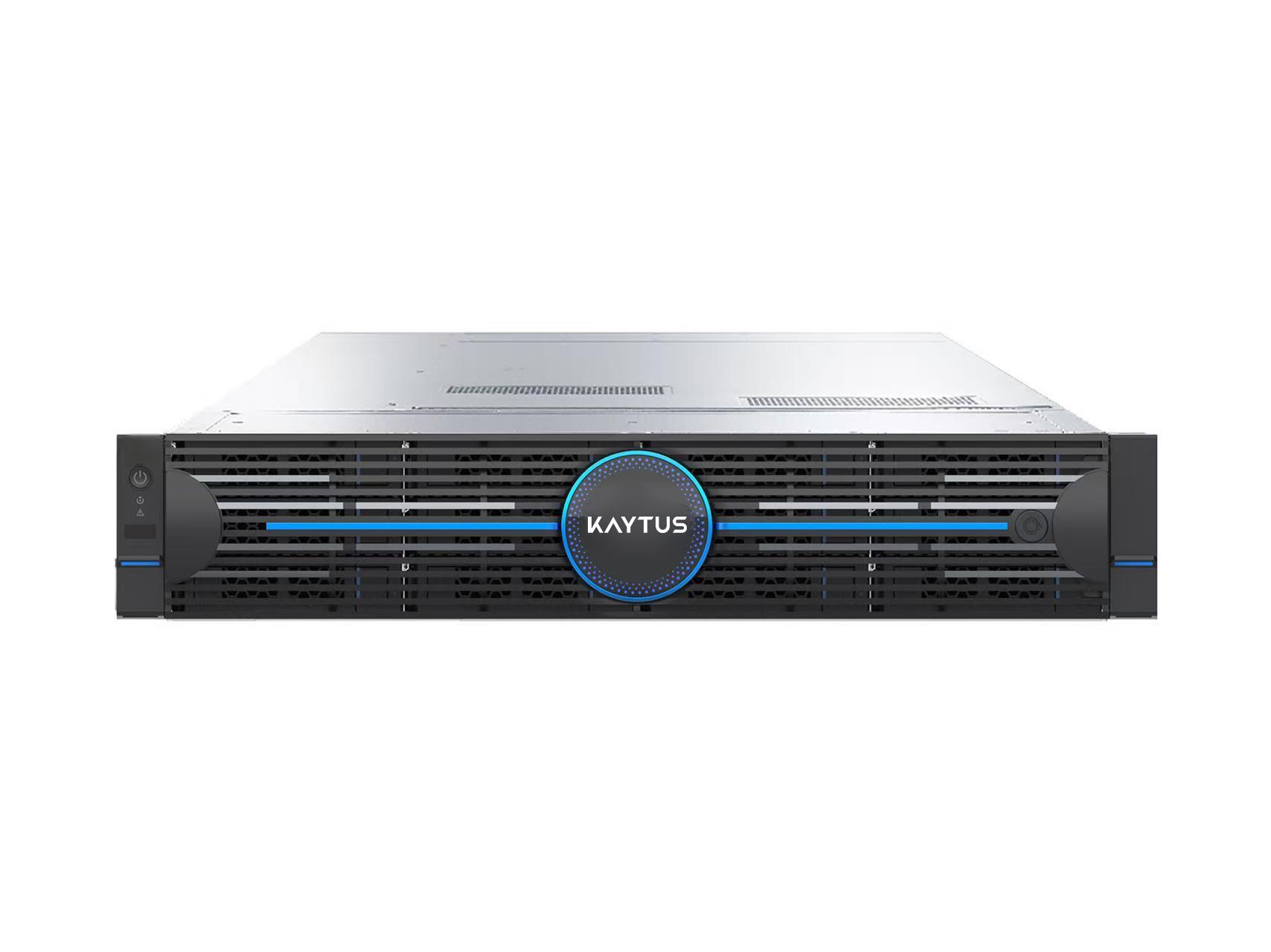
We live in a world of instant gratification. We expect lightning-fast video streaming, real-time traffic updates on our commutes, and seamless interactions with our smart home devices. This demand for speed and immediacy is pushing the limits of traditional cloud computing, where data travels hundreds of miles to a centralized data center and back. The solution? A fundamental shift in our digital architecture, moving intelligence and processing power closer to the source of the data. This paradigm is known as Edge Computing.
For years, the "cloud" has been the undisputed king of digital strategy. It offered unparalleled scalability and storage, consolidating our data in massive, remote server farms. But this centralized model has a critical weakness: latency. The simple physics of distance means that sending data from a factory sensor in Detroit to a cloud server in Oregon and back again takes precious milliseconds. For many modern applications, that delay is unacceptable.
This is where the power of Edge Computing becomes undeniable. Instead of hauling all the raw data across the internet, Edge Computing processes it right where it's generated—at the "edge" of the network. This could be on the factory floor, in a smart camera, inside a connected vehicle, or at a local micro-data center in your neighborhood. By handling data locally, we achieve near-instantaneous response times, a crucial advantage for a growing number of technologies.
The Tangible Benefits: More Than Just Speed
The most obvious benefit of Edge Computing is the radical reduction in latency. Consider a self-driving car. It cannot afford to wait for a cloud server to analyze video feed and decide whether to hit the brakes for a pedestrian. The computation must happen onboard, in real-time. This is a life-or-death example of edge processing.
Beyond speed, Edge Computing offers significant efficiency gains. Transmitting vast amounts of data, especially high-definition video from security cameras or raw sensor data from industrial equipment, consumes enormous bandwidth. By processing data locally, an edge system can analyze the video stream and only send relevant alerts—like "unauthorized person detected"—to the cloud, saving up to 99% of bandwidth costs.
Furthermore, it enhances data privacy and security. Sensitive information, such as patient health data from a wearable ECG monitor, can be processed locally on the device. Only anonymized, aggregated insights need to be sent to the cloud, keeping the most personal data secure and under the user's control.
Edge Computing in Action: Real-World Use Cases
This isn't just a theoretical concept; it's already transforming industries:
Manufacturing: Smart factories use edge servers to monitor equipment in real-time, predicting failures before they cause costly production line shutdowns.
Retail: Smart cameras with edge analytics can track inventory levels, analyze customer foot traffic, and even enable cashier-less checkout experiences.
Healthcare: Wearable devices can monitor patients at home, using edge processing to spot anomalies in heart rhythm and immediately alert the user and their doctor.
Smart Cities: Traffic management systems can use edge nodes at intersections to optimize traffic light patterns in real-time based on current flow, reducing congestion without needing a central command center.
The Future is a Collaborative Dance: Edge and Cloud
It's important to understand that Edge Computing is not about replacing the cloud; it's about complementing it. The future lies in a hybrid model. The edge handles the immediate, time-sensitive tasks, while the cloud remains the powerhouse for deep learning, long-term storage, and complex analytics that aren't time-critical.
Think of it as a well-organized company. The edge devices are the frontline employees, making quick, autonomous decisions to keep operations smooth. The cloud is the corporate headquarters, aggregating insights from all fronts to develop long-term strategy and store company records.
Conclusion: Embracing the Distributed Future
The exponential growth of Internet of Things (IoT) devices, 5G networks, and applications requiring real-time intelligence has made the centralized cloud model insufficient on its own. Edge Computing is the essential, distributed layer that brings computation closer to the action, enabling a new wave of innovation that is faster, more efficient, and more responsive.
As we continue to build a more connected and intelligent world, the shift to the edge is not just an option; it's an inevitability. The businesses and technologies that successfully leverage this powerful architecture will be the ones leading the charge into the next digital decade.
 French
 English
 Arabic
 Spanish
 Portuguese
 Deutsch
 Turkish
 Dutch
Dutch
 Italiano
 Russian
 Romaian
 Portuguese (Brazil)
 Greek
Greek