


Is a Jazz Saxophone a Tenor Saxophone
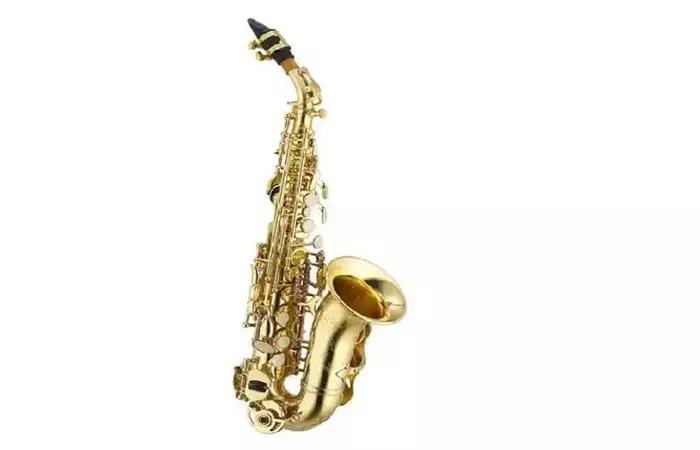
The saxophone, an iconic instrument beloved by musicians across various genres, is particularly renowned in jazz music. Its rich, expressive tone and versatility make it a staple in jazz ensembles and solo performances. However, the saxophone family is vast, with different members catering to different musical styles and needs. This article aims to clarify whether a jazz saxophone is typically a tenor saxophone and explore the nuances of saxophone types in jazz music.
Understanding the Saxophone Family
Before diving into the jazz context, it’s crucial to understand the saxophone family. The saxophone was invented by Belgian instrument maker Adolphe Sax in the early 19th century. It comes in various sizes and pitches, each designed for specific musical roles. The most common types include:
Soprano Saxophone: Often used in classical music and sometimes in jazz for its bright, piercing tone.
Alto Saxophone: The most common saxophone, frequently used in school bands and orchestras. It has a clear, mellow tone suitable for both ensemble and solo playing.
Tenor Saxophone (or Tenor Sax): Known for its warm, rich tone, the tenor saxophone is a staple in jazz music, particularly for solo performances and improvisations.
Baritone Saxophone: A larger, lower-pitched saxophone used mainly in orchestras and bands for its deep, resonant sound.
Additionally, there are other, less common saxophones like the sopranino, mezzo-soprano, and bass saxophones.
The Role of the Tenor Saxophone in Jazz
When discussing jazz saxophones, the tenor saxophone often comes to mind. Here’s why:
Historical Significance
The tenor saxophone’s role in jazz is deeply rooted in its history. In the early 20th century, jazz musicians like Coleman Hawkins redefined the instrument’s potential. Hawkins, known as the “Father of the Tenor Saxophone,” was a pioneering jazz saxophonist who showcased the instrument’s expressive capabilities. His unique style, characterized by a rich, warm tone and imaginative improvisations, set a new standard for jazz saxophone playing.
Musical Characteristics
The tenor saxophone’s tone is particularly suited for jazz. Its warm, full-bodied sound is ideal for expressing the emotive and swinging qualities of jazz music. The instrument’s range and versatility allow musicians to explore a wide array of musical ideas, from smooth melodies to complex improvisations.
Popularity in Jazz Ensembles
In jazz ensembles, the tenor saxophone often plays a pivotal role. It’s commonly featured in jazz big bands, where it provides a rich, harmonically complex sound that complements the other instruments. The tenor saxophone’s ability to blend with the ensemble while also standing out as a solo instrument makes it a favorite among jazz musicians.
Notable Jazz Tenor Saxophonists
Over the decades, numerous jazz tenor saxophonists have made significant contributions to the genre. Some notable figures include:
Coleman Hawkins: As mentioned earlier, Hawkins was a trailblazer who established the tenor saxophone as a jazz solo instrument.
Stan Getz: Known for his smooth, melodic style, Getz was a master of cool jazz.
Sonny Rollins: Renowned for his energetic, innovative playing, Rollins pushed the boundaries of jazz saxophone playing.
Michael Brecker: A versatile jazz saxophonist known for his technical prowess and expressive playing.
Are There Other Saxophones Used in Jazz?
While the tenor saxophone is a prominent jazz instrument, other saxophones are also used in jazz music. Here’s a brief overview:
Alto Saxophone
The alto saxophone is another popular choice in jazz, particularly in smaller ensembles and combo settings. Its clear, mellow tone complements the tenor saxophone well and is often used for melodic lines and counter-melodies. Notable alto saxophonists in jazz include Cannonball Adderley, Charlie Parker, and Paul Desmond.
Soprano Saxophone
The soprano saxophone, with its bright, piercing tone, is less common in jazz but can be found in some styles, such as fusion and contemporary jazz. Its high pitch makes it an excellent choice for cutting through the mix and adding a unique timbral quality to the ensemble.
Baritone Saxophone
The baritone saxophone, due to its size and low pitch, is rarely used in jazz performance contexts. However, it has been featured in some jazz compositions, particularly in larger orchestral settings.
Conclusion
In summary, while various saxophones are used in jazz music, the tenor saxophone stands out as a staple of the genre. Its rich, expressive tone and versatility make it a favorite among jazz musicians for solo performances and ensemble settings. The historical significance of jazz tenor saxophonists like Coleman Hawkins and the continuing contributions of modern players have cemented the instrument’s place in jazz music.
 French
 English
 Arabic
 Spanish
 Portuguese
 Deutsch
 Turkish
 Dutch
Dutch
 Italiano
 Russian
 Romaian
 Portuguese (Brazil)
 Greek
Greek