


Hydraulic Oil Purifier Maintenance Tips for Maximum Efficiency
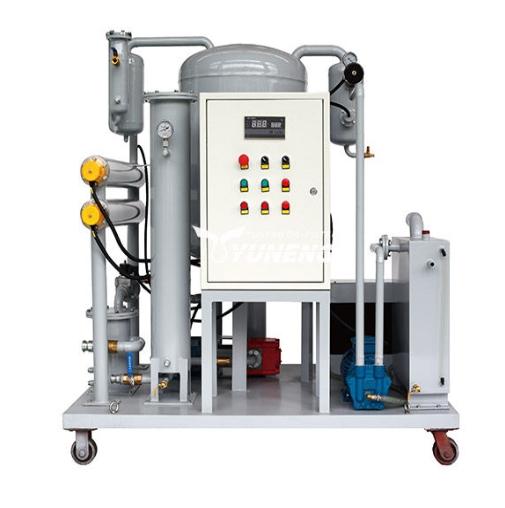
You’ve made the smart investment in a hydraulic oil purifier to protect your machinery and reduce downtime. But like any precision piece of equipment, the purifier itself requires regular care to perform at its best. A neglected purifier can become inefficient, or worse, fail to protect your valuable hydraulic assets.
Proper maintenance isn’t just about preventing purifier breakdowns; it’s about ensuring it operates at maximum efficiency, which translates to cleaner oil, longer component life, and lower operating costs. Here are key maintenance tips to keep your hydraulic oil purifier working flawlessly.
1. Stick to a Strict Element Replacement Schedule
The heart of any filtration system is its filter elements. Over time, they load up with the contaminants they capture, increasing the pressure drop across the filter. Running a clogged filter forces the pump to work harder, reduces flow rate, and can eventually bypass contaminants entirely if the bypass valve opens.
Actionable Tip:
Monitor the differential pressure gauge (if equipped) regularly. Change elements when the pressure drop reaches the manufacturer's recommended limit.
If no gauge is present, establish a preventive maintenance schedule based on your system's contamination level and operating hours. Don't just wait for the unit to sound an alarm.
2. Don't Ignore the Water Removal Element
Most purifiers use a coalescer or absorbent media to remove water. These elements have a finite capacity. Once saturated, they can no longer effectively remove water from the oil, leaving your system vulnerable to corrosion and reduced lubricity.
Actionable Tip:
Follow the manufacturer's guidelines for replacing the water removal elements. This is often based on the total volume of water removed or a time-based schedule.
Regularly check and drain the water collection bowl (for coalescers) to prevent it from overflowing back into the oil stream.
3. Conduct Regular Pump and Seal Inspections
The purifier’s pump is its workhorse. Wear here can reduce the flow rate, meaning less oil is being cleaned per hour. Similarly, seals and O-rings are critical for maintaining proper vacuum (in vacuum purifiers) and preventing air ingress or oil leaks.
Actionable Tip:
Listen for changes in pump noise or vibration.
Check for any visible oil leaks around seals and connections during routine walk-bys.
Schedule an annual inspection of the pump and critical seals as part of your broader plant maintenance shutdown.
4. Validate Performance with Oil Analysis
You can’t manage what you don’t measure. While your purifier may be running and showing no alarms, the ultimate test of its efficiency is the condition of your hydraulic oil.
Actionable Tip:
Take periodic oil samples from the main hydraulic reservoir—not from the purifier outlet.
Send them to a lab for analysis. The report will tell you the particle count (ISO code) and water content (ppm).
This data confirms your purifier is working effectively and helps you fine-tune your maintenance schedule. If the oil is clean, your purifier is healthy. If not, it’s a clear sign that maintenance is needed.
5. Keep It Clean and Calibrated
Environmental debris and dust can clog the purifier’s cooler fins, leading to overheating and reduced efficiency. Furthermore, sensors for moisture, pressure, and particle counts can drift over time.
Actionable Tip:
Wipe down the exterior and gently blow out the cooler fins with compressed air during routine cleaning.
Discuss sensor calibration with your service provider during scheduled maintenance visits. Accurate sensors are crucial for reliable operation and alarms.
Conclusion: A Small Effort for a Major Return
Maintaining your hydraulic oil purifier is a simple, cost-effective discipline with a tremendous return on investment. A well-maintained unit ensures you are always getting the full benefit of clean, dry oil—extending the life of every pump, valve, and cylinder in your plant.
By incorporating these tips into your standard maintenance routines, you protect not just your purifier, but the entire hydraulic system it was installed to safeguard. It’s the final, critical step in building a truly robust and reliable fluid power system.
 Deutsch
 English
 Arabic
 French
 Spanish
 Portuguese
 Turkish
 Dutch
Dutch
 Italiano
 Russian
 Romaian
 Portuguese (Brazil)
 Greek
Greek