


The Longevity Blueprint: How Exercise and Sleep Shape a Longer, Healthier Life
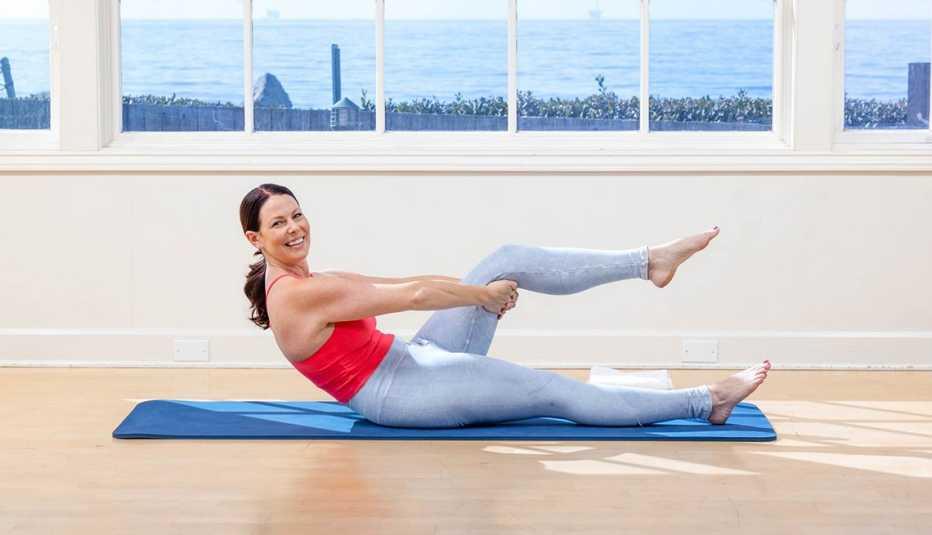
Living longer is no longer just about genetics—it’s about lifestyle choices that optimize the way your body and mind function. Among the most powerful factors influencing a longer and healthier life are movement and rest. Regular exercise for longevity has been scientifically proven to strengthen the body at a cellular level, improving energy, resilience, and metabolic efficiency. When combined with restorative sleep habits, this holistic approach creates the foundation for vitality that lasts well into later years.
This article explores how consistent exercise and high-quality sleep work synergistically to promote longevity, boost brain health, and enhance overall well-being.
Understanding Longevity as a Lifestyle
Longevity isn’t just about adding years to life—it’s about adding life to years. It involves cultivating habits that promote vitality, cognitive sharpness, and emotional stability while reducing the impact of aging. Central to this goal are two biological processes: regeneration and repair. Exercise triggers regeneration by stimulating cell turnover and mitochondrial activity, while sleep ensures optimal repair by allowing the brain and body to rejuvenate.
Together, these two pillars create the biological conditions for living longer, stronger, and sharper.
The Science Behind Exercise and Longevity
How Exercise Influences Aging at a Cellular Level
When you engage in physical activity, your body releases growth factors and hormones that promote cellular repair. Exercise increases mitochondrial density—the energy factories inside your cells—which helps sustain energy production and prevent cellular aging.
It also boosts blood circulation, ensuring that nutrients and oxygen reach every tissue efficiently. This keeps your heart, brain, and muscles youthful and functional over time.
Types of Exercise That Promote Longevity
To maximize the benefits of physical activity, variety is essential. Each form of exercise influences the body differently, contributing to different aspects of long-term health.
1. Aerobic Exercise
Cardio activities such as walking, cycling, or swimming strengthen the cardiovascular system, improve lung capacity, and enhance oxygen delivery to tissues.
2. Resistance Training
Strength training preserves lean muscle mass, improves bone density, and stabilizes metabolism—key factors that support functional independence with age.
3. Flexibility and Mobility Work
Yoga, stretching, and Pilates enhance joint mobility and balance, preventing injuries and promoting graceful aging.
4. High-Intensity Interval Training (HIIT)
Short bursts of intense effort followed by rest periods boost fat metabolism and increase mitochondrial efficiency, enhancing endurance and longevity.
The Longevity Hormones
Exercise also influences hormone regulation. It helps maintain optimal levels of insulin, cortisol, and growth hormone—key regulators of metabolism and aging. Consistent training increases the release of endorphins and serotonin, improving mood and reducing stress, both of which are critical for long-term health.
The Role of Recovery in Lifelong Vitality
While physical activity is essential, it’s the recovery period that allows the body to rebuild stronger tissues and restore balance. Without proper rest, exercise benefits can’t be fully realized. Quality recovery practices—like stretching, hydration, and sleep—enhance longevity by reducing inflammation and supporting immune function.
Exercise as a Neuroprotective Strategy
Brain health plays a vital role in how long and how well we live. Exercise stimulates neurogenesis, the formation of new brain cells, particularly in regions responsible for memory and learning. It also boosts the production of brain-derived neurotrophic factor (BDNF), a molecule that strengthens neural connections and improves cognitive resilience.
This means that staying physically active doesn’t just protect your heart and muscles—it preserves your mind as well.
Nutrition and Exercise Synergy
For maximum longevity benefits, nutrition must complement your movement routine. Consuming antioxidant-rich foods, lean proteins, and omega-3 fatty acids supports tissue repair and reduces oxidative stress. Hydration, too, plays a key role in maintaining cellular function and joint health, ensuring that your exercise routine enhances rather than strains your body.
Key Nutrients That Support Active Longevity
-
Magnesium: Supports muscle recovery and energy metabolism.
-
CoQ10: Enhances mitochondrial function and endurance.
-
Collagen and Vitamin C: Strengthen joints and connective tissue.
-
Polyphenols: Found in green tea and berries, they protect cells from aging.
The Overlooked Pillar: Sleep and Regeneration
Sleep is the body’s most powerful recovery system. During deep sleep, the body undergoes hormonal regulation, tissue repair, and memory consolidation. For longevity, quality sleep is as important as exercise.
The Biological Benefits of Restful Sleep
-
Cellular Repair: Growth hormone peaks during deep sleep, stimulating tissue renewal.
-
Brain Detoxification: The glymphatic system clears toxins and supports cognitive clarity.
-
Hormonal Balance: Proper sleep maintains healthy cortisol and insulin levels, reducing stress and metabolic strain.
-
Immune Strength: The immune system regenerates overnight, enhancing disease resistance.
Creating the Perfect Sleep Environment
To truly benefit from restorative rest, optimize your sleep environment and habits. Simple lifestyle shifts can dramatically improve sleep quality and support longevity.
Practical Sleep Optimization Tips
-
Maintain a consistent bedtime and wake-up schedule.
-
Avoid caffeine and heavy meals close to bedtime.
-
Keep your room cool, dark, and quiet.
-
Limit blue light exposure from screens before sleep.
-
Engage in evening relaxation rituals such as deep breathing or gentle stretching.
Consistency in these habits strengthens your circadian rhythm—the internal clock that governs sleep-wake cycles—allowing your body to rejuvenate more effectively each night.
How Exercise and Sleep Work Together
When exercise and sleep are aligned, they create a feedback loop that amplifies longevity. Physical activity improves sleep quality by regulating body temperature, reducing stress hormones, and enhancing slow-wave sleep. In turn, deep sleep restores muscle fibers and replenishes glycogen stores, ensuring optimal performance and energy the next day.
This mutual relationship highlights the importance of viewing wellness holistically—where movement and rest function as complementary forces driving vitality.
The Future of Longevity Science
Recent advances in longevity research focus on how cellular repair, mitochondrial function, and circadian rhythms interact to determine lifespan. Studies show that consistent physical activity and high-quality sleep activate the body’s innate longevity genes, particularly those linked to metabolism and inflammation control.
This emerging science suggests that small daily habits—like moving regularly, eating nutrient-dense foods, and getting enough sleep—can influence how gracefully we age at the molecular level.
Integrating Sleep Optimization into Your Longevity Routine
A balanced longevity plan combines exercise, nutrition, and sleep hygiene into a single cohesive lifestyle. As research continues to evolve, experts emphasize that sleep optimization for longevity may be the missing link for individuals already focusing on fitness and nutrition. Deep, restorative sleep amplifies all the benefits of movement and diet by improving cellular repair, immune defense, and hormonal balance.
By treating sleep as a biological performance tool, you unlock your body’s full regenerative potential.
Putting It All Together: Your Daily Longevity Framework
Here’s a simple daily framework to combine both exercise and sleep for optimal vitality:
-
Morning: Engage in light stretching, hydration, and sun exposure to set your circadian rhythm.
-
Afternoon: Incorporate a 30–45 minute workout—cardio, resistance, or flexibility-based.
-
Evening: Practice mindfulness or gentle movement to lower stress and prepare for rest.
-
Night: Follow a consistent bedtime routine, keeping the environment cool and screen-free.
Small, consistent actions done daily have a compounding effect, leading to long-term health benefits that go far beyond physical appearance.
Final Thoughts
Longevity is not the result of one habit—it’s the harmony of movement, rest, and mindful living. Regular exercise for longevity strengthens your heart, brain, and muscles, while sleep optimization for longevity allows your body to rebuild, repair, and renew. Together, these two pillars form a powerful foundation for living longer, performing better, and enjoying life with clarity and strength at every age.
By mastering both energy expenditure and recovery, you create not just a longer lifespan—but a richer, more vibrant one.

 English
 French
 Spanish
 Portuguese
 Deutsch
 Turkish
 Dutch
Dutch
 Italiano
 Russian
 Romaian
 Portuguese (Brazil)
 Greek
Greek