


Why Transformer Oil Regeneration Is Better for the Environment than Oil Replacement
In our modern world, the drive towards sustainability is no longer a choice but a necessity. Every industry is being challenged to find greener solutions, and the electrical power sector is no exception. When dealing with aged transformer oil, the traditional approach has often been to drain the old oil and replace it with new. However, a far more environmentally responsible practice is gaining traction: transformer oil regeneration.
This isn't just a technical preference; it's a profound ecological choice. In this blog, we’ll explore the compelling environmental reasons why regenerating transformer oil is superior to replacing it, focusing on waste reduction, resource conservation, and the overall carbon footprint.
1. Drastic Reduction in Hazardous Waste
The most immediate environmental benefit of regeneration is the sheer avoidance of waste. Used transformer oil is classified as a hazardous waste in most countries. It contains soluble sludge, acids, and contaminants that can be harmful to soil and water sources.
The Replacement Problem: When you replace oil, you are left with a large volume of this hazardous waste that must be handled, transported, and disposed of. Disposal typically involves high-temperature incineration, a process that consumes significant energy and releases greenhouse gases and other potential emissions into the atmosphere.
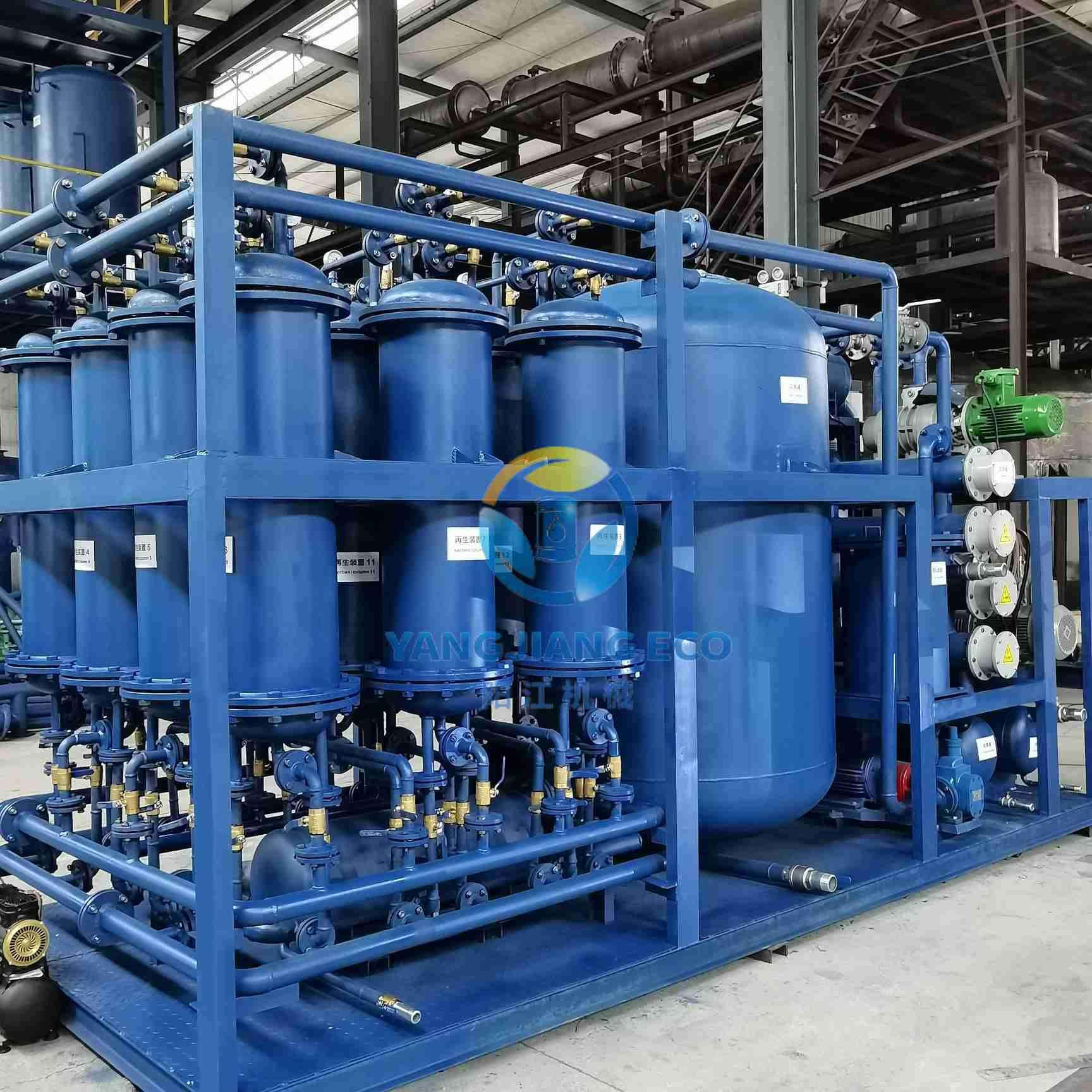
The Regeneration Solution: Regeneration treats the oil on-site or at a dedicated facility, cleaning and restoring it for reuse. This process eliminates the need to dispose of the vast majority of the oil volume. The only waste generated is a small amount of spent Fuller’s Earth adsorbent and the sludge captured by pre-filters, which is a tiny fraction of the waste volume created by full replacement. By choosing regeneration, we prevent thousands of litres of hazardous fluid from entering the waste stream.
2. Conservation of Natural Resources and Energy
Transformer oil is a petroleum-based product. Its production has a significant environmental cost.
The Lifecycle of New Oil: Manufacturing new transformer oil involves crude oil extraction, refining, transportation, and packaging. Each step in this chain consumes massive amounts of energy and raw materials. Crude oil extraction is a disruptive process, and refining is notoriously energy-intensive, contributing heavily to carbon emissions.
The Efficiency of Restoration: Regeneration bypasses this entire resource-intensive lifecycle. It takes the existing oil—a resource already extracted and refined—and renews it. The energy required to pump, heat, and filter the oil during regeneration is minimal compared to the energy required to produce an equivalent amount of new oil from scratch. By reusing the same oil base multiple times, we conserve finite fossil fuels and the immense energy required to process them.
3. Lowering the Overall Carbon Footprint
When you combine the avoided waste incineration and the saved energy from oil production, the carbon footprint reduction becomes clear. The environmental impact of any product or service is measured through its lifecycle assessment (LCA).
Replacement LCA: The lifecycle of oil replacement includes the emissions from new oil production, transportation of the new oil to the site, and transportation of the old oil to a disposal facility, plus the emissions from incineration.
Regeneration LCA: The lifecycle of regeneration primarily involves the one-time transportation of the regeneration unit to the site and the electricity to run it. The emissions are orders of magnitude lower.
By extending the useful life of the existing oil, regeneration slashes the cumulative CO2 and other greenhouse gas emissions associated with maintaining a transformer fleet.
4. Preventing Soil and Water Contamination
The risks associated with oil replacement aren’t just at the disposal stage. The process of draining, transporting, and handling large volumes of hazardous used oil carries a constant risk of spills and leaks. A single accident during transport can lead to significant soil and groundwater contamination, with long-term ecological consequences. On-site regeneration drastically reduces the need for transporting hazardous materials, thereby minimising this risk profile.
Conclusion
Regeneration of transformer oil is a prime example of a circular economy in action. Instead of the linear "take-make-dispose" model of replacement, regeneration embodies "renew-reuse-conserve." It is a proactive, clean technology that directly addresses critical environmental challenges: hazardous waste generation, resource depletion, and climate change. For any organization committed to genuine sustainability and reducing its ecological impact, choosing transformer oil regeneration over replacement is one of the most effective and responsible decisions it can make.
 Portuguese (Brazil)
 English
 Arabic
 French
 Spanish
 Portuguese
 Deutsch
 Turkish
 Dutch
Dutch
 Italiano
 Russian
 Romaian
 Greek
Greek