


Reducing Human Error with Virtual Reality Training in the Energy Sector
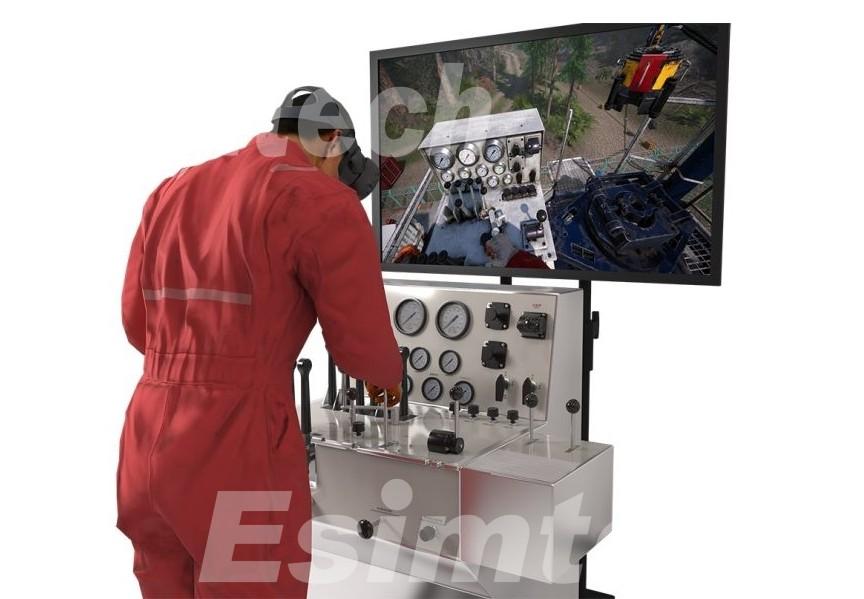
In the high-stakes world of energy production, a single mistake can have monumental consequences. From refinery shutdowns to environmental incidents and worker safety hazards, human error remains a persistent and costly challenge. Traditional training methods—classroom lectures, videos, and even on-the-job shadowing—often fall short in preparing personnel for the immense pressure and split-second decision-making required in real-world scenarios.
But what if we could practice for these high-pressure moments in a consequence-free environment? Enter Virtual Reality (VR) training—a transformative tool that is proactively reducing human error and building a new generation of infallible muscle memory for energy workers.
The Limits of Traditional Training
For decades, energy sector training has relied on a "see one, do one" approach. The problem is, in this industry, you rarely get to "do one" on a live, multi-million dollar asset without significant risk. Reading a procedure is not the same as executing it under stress. Watching a veteran operator work doesn't build the same neural pathways as performing the task yourself. This gap between knowledge and practical, pressurized application is where errors creep in.
VR slams this gap shut by placing the worker directly inside a hyper-realistic, interactive simulation of their worksite.
How VR Builds Unshakeable Competence
Realistic, High-Fidelity Practice: VR allows a technician to practice a complex, multi-step procedure—like isolating a turbine or responding to a pressure valve failure—dozens of times. They can physically reach for virtual tools, turn virtual valves, and follow safety protocols in a digital twin of their actual environment. This repetitive, hands-on practice builds robust procedural memory, making the correct sequence of actions second nature.
Safe Failure is Productive Learning: In a VR simulation, making a mistake is a powerful learning opportunity, not a catastrophe. If a trainee opens the wrong valve, the simulation can visually and audibly show the consequences—a steam release, a system pressure drop—without any real-world danger. This immediate, visceral feedback creates a strong cognitive link between an action and its outcome, dramatically improving knowledge retention compared to a written exam.
Training for the Unthinkable: VR excels at preparing workers for rare but critical emergency scenarios. How does a control room operator react to a total power grid failure? How does a field crew contain a simulated gas leak? Practicing these high-stress events in VR builds critical situational awareness and stress inoculation. When a real emergency occurs, the team isn't facing it for the first time; they are executing a drill they have successfully completed before.
Data-Driven Performance Analytics: Unlike traditional training, VR provides objective data. Instructors can track a trainee’s gaze, reaction times, sequence accuracy, and adherence to safety protocols. This data pinpoints not just what went wrong, but why—was it a knowledge gap, a procedural misunderstanding, or ineffective communication? This allows for hyper-personalized coaching and continuous improvement of the training program itself.
The Bottom Line: A Safer, More Reliable Future
The investment in VR training is an investment in human capital and operational integrity. The benefits are clear:
Enhanced Safety: A direct reduction in workplace incidents and accidents.
Increased Operational Uptime: Fewer errors mean fewer unplanned shutdowns and maintenance events.
Reduced Costs: Savings from avoided accidents, reduced equipment damage, and more efficient training cycles.
Confident Workforce: Employees enter the field feeling prepared, competent, and confident in their abilities.
By moving training from the passive pages of a manual to the immersive world of virtual reality, the energy sector is not just teaching its workforce—it is engineering out human error at its source, creating a safer and more resilient industry for everyone.
 Portuguese (Brazil)
 English
 Arabic
 French
 Spanish
 Portuguese
 Deutsch
 Turkish
 Dutch
Dutch
 Italiano
 Russian
 Romaian
 Greek
Greek