


Field Programmable Gate Array (FPGA) Market Outlook 2035: Driving the Future of Adaptive Computing
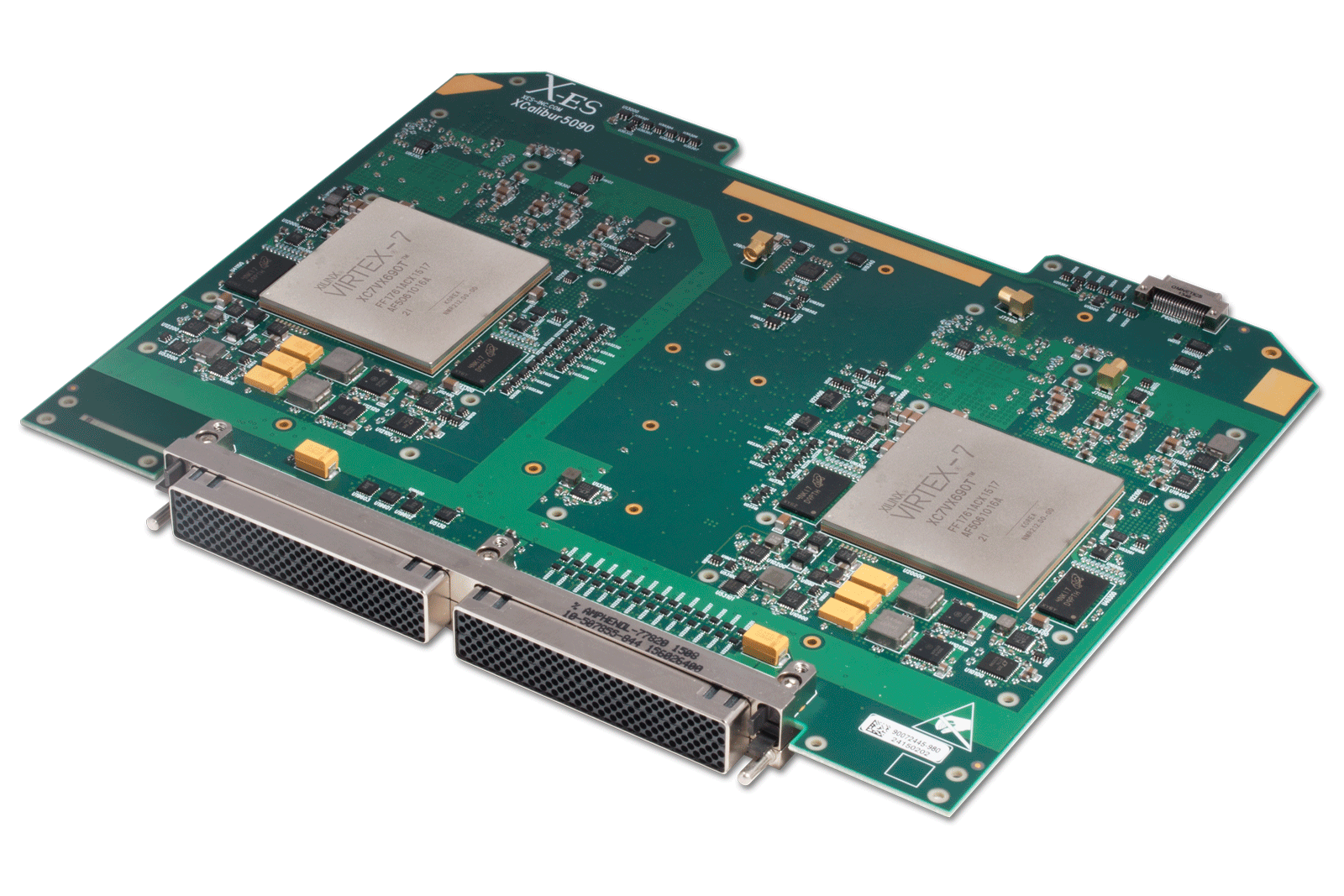
The global Field Programmable Gate Array (FPGA) market is experiencing strong growth, driven by the rising demand for flexible, high-performance computing across multiple industries. Valued at US$ 10.3 billion in 2024, the market is projected to expand at a CAGR of 8.7% from 2025 to 2035, reaching an estimated US$ 24.3 billion by 2035. This robust growth highlights the critical role of FPGAs in enabling adaptive, low-latency, and real-time processing across telecommunications, industrial automation, automotive, aerospace, defense, and data center applications.
Analysts’ Perspective: Flexibility and Performance Fuel Market Expansion
Industry analysts observe that FPGAs are rapidly becoming essential in a wide range of applications due to their unmatched flexibility, high-speed parallel processing capabilities, and reconfigurability. The proliferation of 5G infrastructure, AI and machine learning integration, and the rising need for edge computing solutions are driving market growth. FPGAs provide an ideal solution for applications demanding low-latency performance, real-time computation, and secure processing, such as autonomous vehicles, industrial robotics, embedded systems, and advanced telecommunications networks.
Additionally, the increasing deployment of edge devices and Internet of Things (IoT) platforms has created a demand for power-efficient, adaptable hardware capable of supporting diverse connectivity standards. As industries move toward smarter, connected, and automated systems, FPGA adoption is expected to accelerate globally.
Market Drivers: 5G Deployment and Industrial Automation
The ongoing rollout of 5G networks worldwide is a major growth driver for the FPGA market. FPGAs enable telecom equipment manufacturers to implement complex signal processing algorithms, accelerate data paths, and optimize beamforming in baseband units, radio access networks, and edge computing platforms. The move toward open and disaggregated network architectures, such as Open RAN, further fuels FPGA demand. These networks require flexible, reconfigurable hardware that can adapt to evolving standards without complete system replacement.
Industrial automation and robotics represent another significant driver of FPGA adoption. In modern factories, FPGAs facilitate precise, real-time control of motors, actuators, sensors, and embedded vision systems. Their low-latency, deterministic processing ensures reliable performance in robotic motion control, quality inspection, and safety monitoring systems. Moreover, FPGAs support industrial communication protocols such as Time-Sensitive Networking, EtherCAT, and Modbus, making them ideal for Industry 4.0 and Industrial IoT (IIoT) applications. Their parallel computing capabilities, energy efficiency, and scalability are particularly valuable for AI-driven industrial systems and collaborative robotics.
FPGA Architecture and Technology Trends
The FPGA market is segmented by architecture, with SRAM-based FPGAs currently leading due to their flexibility, real-time reconfigurability, and high performance. SRAM-based FPGAs are widely adopted in 5G infrastructure, cloud computing, industrial automation, and edge AI applications. While Flash-based and anti-fuse FPGAs offer non-volatile solutions, SRAM-based FPGAs dominate the market due to mature development tools, extensive vendor-supported libraries, and seamless integration into modern electronic systems.
FPGAs are available in various configurations, including low-end, mid-range, and high-end devices, with node sizes ranging from ≤28 nm to >90 nm. Advanced FPGAs now integrate AI-specific capabilities, increased I/O density, and enhanced security features. System-on-Chip (SoC) FPGAs, which combine programmable logic with embedded processors, allow for complex designs in smaller, more efficient packages.
Applications Across Industries
FPGAs find applications across multiple sectors. In telecommunications and data centers, they support high-speed networking and storage, accelerating data processing and improving system efficiency. In the automotive sector, FPGAs enable advanced driver-assistance systems (ADAS) and autonomous driving by providing low-latency, high-speed computation for sensors and control systems. Aerospace and defense applications rely on FPGAs for radar processing, flight control, and secure communications, while industrial automation leverages FPGAs for configurable control systems and robotics.
Additionally, FPGAs play a crucial role in ASIC prototyping, embedded systems, portable medical equipment, and unmanned aerial vehicles (UAVs) by delivering high-performance, customizable solutions.
Regional Outlook
North America leads the FPGA market, driven by a mature semiconductor industry, robust R&D ecosystem, and presence of major manufacturers such as Intel (Altera), AMD (Xilinx), and Lattice Semiconductor. The region’s adoption of 5G networks, AI-enabled systems, autonomous vehicles, and advanced industrial automation solutions positions it as a critical market. Favorable government policies and continued investment in innovation further strengthen North America’s dominance.
Asia Pacific is also poised for significant growth, supported by rapid industrialization, expanding 5G infrastructure, and increasing adoption of AI and edge computing solutions across emerging economies.
Key Players and Strategic Developments
Leading FPGA manufacturers are focusing on product innovation, strategic partnerships, and mergers and acquisitions to enhance their market position. Companies such as Intel, AMD, Lattice Semiconductor, Microchip Technology, QuickLogic, and Achronix are developing next-generation FPGA families with improved AI integration, energy efficiency, and security. Notable developments include Lattice Semiconductor’s expansion of its low-power FPGA line with Certus-NX and MachXO5-NX devices and Intel’s establishment of Altera as a dedicated FPGA company offering AI-enabled solutions.
Conclusion
The global FPGA market is poised for robust growth through 2035, driven by 5G deployment, industrial automation, AI integration, and demand for flexible, high-performance computing solutions. As FPGAs continue to evolve with enhanced functionality, power efficiency, and scalability, they will remain a cornerstone technology for industries seeking adaptive, real-time, and energy-efficient computing solutions.
Contact Us
Transparency Market Research Inc.
CORPORATE HEADQUARTER DOWNTOWN,
1000 N. West Street,
Suite 1200, Wilmington, Delaware 19801 USA
Tel: +1-518-618-1030
USA - Canada Toll Free: 866-552-3453
 Dutch
Dutch
 English
 Arabic
 French
 Spanish
 Portuguese
 Deutsch
 Turkish
 Italiano
 Russian
 Romaian
 Portuguese (Brazil)
 Greek
Greek