


Nante How Should You Size an Outdoor Electrical Distribution Panel Today
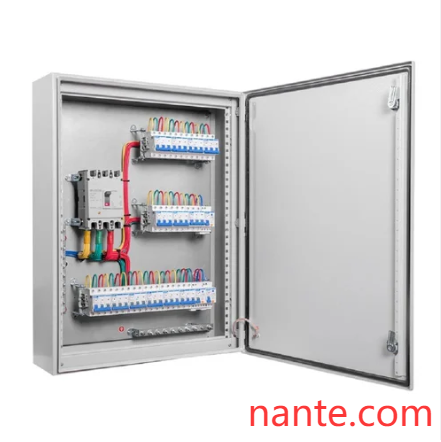
Choosing the right size for an outdoor electrical distribution panelaffects reliability, installation cost and the flexibility of a site as demands shift. When planners pick an enclosure with suitable capacity they avoid nuisance trips, reduce cable stress and allow spare room for modest expansion. Early conversations about load patterns, duty cycles and spare capacity make it easier to match an enclosure to the site's daily rhythms and occasional peak needs.
Start by mapping what will draw power and where. List lighting arrays pumps temporary tools and any HVAC elements that may share the supply. Consider which circuits must stay live during service windows and which feeds can be paused if a transfer event occurs. Grouping loads by function clarifies whether multiple smaller subcircuits or a single heavier feed gives the cleaner path to stable operation. That grouping helps when allocating breakers, selecting cable runs and deciding on surge or monitoring options.
Consider how duty cycles influence continuous rating choices. Some devices run intermittently and produce high startup demands while others draw steady current with low variation. Planning around startup behavior prevents undersized feeders from heating and reduces voltage dips that can confuse sensitive electronics. In many sites where motors start frequently, incorporating soft starters or phased start sequences at the panel reduces stress and lets a single cabinet support several large loads without frequent intervention.
Environmental and mounting choices affect how a cabinet performs in the field. An enclosure sited in direct sun or near heat sources warms more than one tucked in shade. Choose a model with sensible ventilation and sealing so internal temperatures remain predictable. Positioning for service access, clear door swing and unobstructed inspection space saves hours during routine checks and emergency work. When technicians reach terminations easily, inspections and repairs finish faster and risk to surrounding finishes declines.
Think about redundancy when uptime matters. Parallel feeds, spare breaker slots and labeled spare entries let teams reconfigure feeds or add a temporary source without cutting into finished surfaces. If a building must maintain continuous operation during a repair, designing switch sequences and available bypasses into the layout reduces the need for risky hot work. Marking isolation points outside a cabinet improves safety and shortens lock out procedures for crews.
Monitoring and protective devices deliver practical insight. Adding simple sensors for junction temperature and for humidity gives advance notice of seal wear or loose terminals. Surge suppression mounted at the incoming point protects downstream gear from transient events and helps extend service life for controllers and drives. When a cabinet integrates modest visibility options, planners prioritize visits that match operational windows and limit disruption.
Cable routing and conductor choice matter as much as breaker sizing. Shorter runs reduce losses and lower the chance of accidental damage during site activity. Leave gentle service loops and separate power from communications to minimize interference. Secure strain reliefs at entries prevent vibration from loosening contacts, while clear labeling at each termination speeds fault finding when a technician arrives under pressure.
Procurement and spare planning affect lifecycle cost. Choose models that accept common accessory kits and that offer replaceable seals, hinges and latches. Standardizing families of parts across multiple locations simplifies stocking and reduces lead time for repairs. When stores keep a concise set of frequent spares, field teams fix minor wear fast and preserve availability.
Installation practice should favor straightforward future upgrades. Leave spare knockouts and modular rails so adding a meter, a monitoring module or a modest transfer device avoids cutting new entries. Document feed maps and torque values and include them with the cabinet handover so future crews match the original layout exactly. Good documentation shortens training and reduces the chance of incorrect substitutions during a busy service call.
When in doubt, engage a qualified designer or installer early. Sharing anticipated loads and growth plans lets them recommend a rating that balances initial cost with predictable future needs. Early alignment between operations and procurement helps avoid reactive retrofits that interrupt activity and raise total expense.
If you are planning a new installation or revisiting an existing cabinet to match evolving site demands, check product families, accessory options and mounting guidance at https://www.nante.com/ . The site presents imagery and specification notes that help planners align enclosure selection, breaker capacity and layout choices with operational needs while supporting predictable maintenance and easier upgrades.
 Romaian
 English
 Arabic
 French
 Spanish
 Portuguese
 Deutsch
 Turkish
 Dutch
Dutch
 Italiano
 Russian
 Portuguese (Brazil)
 Greek
Greek