


Boise Elevator: Precision in Surgical Procedures
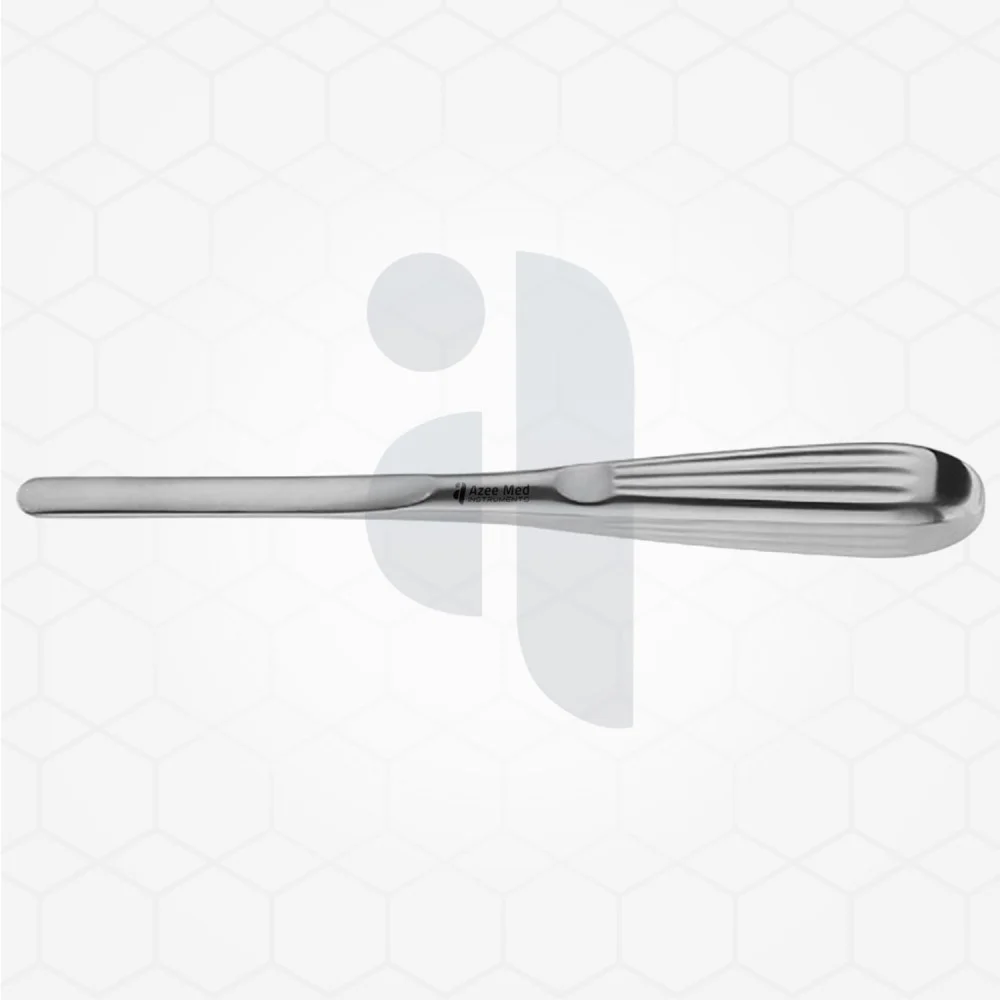
The world of surgical instruments is vast and filled with tools designed for specific, critical tasks. Among these is the Boise elevator, an instrument prized for its unique design and functionality in delicate procedures. Understanding its role is key to appreciating the precision required in modern surgery. At GreyMedical®, we are dedicated to excellence in crafting these essential tools, ensuring surgeons have the best instruments for optimal patient outcomes. Boise elevator will explore the uses, design, and importance of this specialized surgical elevator.
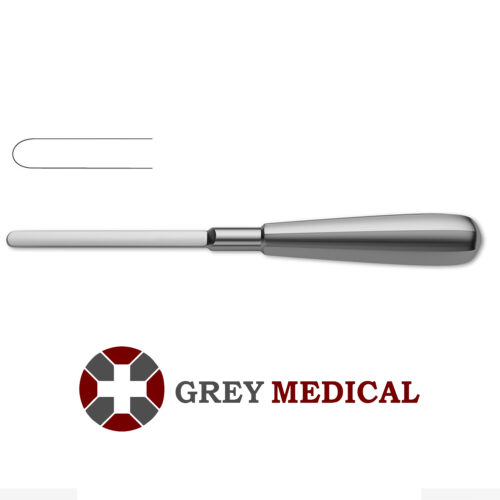
Understanding the Boise Elevator's Design
The design of a surgical instrument is directly related to its function. The Boise elevator features a distinct, slightly curved, and rounded tip. This shape is not arbitrary; it is engineered to allow for the gentle but firm separation of the periosteum—the dense membrane covering the surface of bones—from the underlying bone structure. The handle is crafted for a secure grip, giving the surgeon complete control over the pressure and movement of the instrument. This ergonomic design minimizes hand fatigue during long and complex operations.
The materials used are also critical. GreyMedical® manufactures instruments like the Boise elevator from high-grade stainless steel. This material ensures durability, resistance to corrosion, and the ability to withstand repeated sterilization cycles without degradation. The combination of thoughtful design and superior materials results in a reliable tool that surgeons can depend on in high-stakes environments.
Primary Surgical Applications
The Boise elevator is most commonly utilized in orthopedic, neurosurgical, and plastic surgery procedures. Its primary function is to lift and separate tissue layers with minimal trauma. In orthopedic surgery, it is essential for preparing a bone surface for plates, screws, or other implants. By carefully lifting the periosteum, surgeons can access the bone while preserving this vital tissue, which is crucial for healing and bone regeneration.
In neurosurgery, particularly during spinal procedures, precision is paramount. The Boise elevator allows surgeons to gently retract soft tissues and periosteum away from the vertebrae, providing clear access to the surgical site without damaging nearby nerves or the spinal cord. Similarly, in reconstructive and plastic surgery, especially craniofacial procedures, the instrument is used to elevate tissue flaps with precision, contributing to both the functional and aesthetic success of the surgery.
The Importance of Quality in Surgical Instruments
The performance of a surgical instrument has a direct impact on the outcome of a procedure. A poorly crafted tool can lead to tissue damage, increased operating time, and a higher risk of complications. This is why the quality of an instrument like the Boise elevator cannot be overstated. Surgeons need tools that respond predictably to their movements, hold a sharp edge where needed, and provide tactile feedback.
At GreyMedical®, our commitment to quality starts with sourcing the finest materials and extends through every stage of the manufacturing process. Each instrument undergoes rigorous quality control checks to ensure it meets the highest standards of performance and reliability. By providing surgeons with superior tools, we empower them to perform at their best, enhancing patient safety and promoting successful surgical results. The reliability of a well-made Boise elevator gives surgeons the confidence they need to navigate complex anatomical structures.
Maintenance and Sterilization
Proper care and maintenance are essential for prolonging the life and effectiveness of any surgical instrument. After each use, the Boise elevator must be thoroughly cleaned to remove all biological debris. Following cleaning, it must undergo a stringent sterilization process, typically using an autoclave, to eliminate all microorganisms. Adhering to strict protocols for cleaning, inspection, and sterilization ensures that the instrument remains safe for use in subsequent procedures, preventing cross-contamination and surgical site infections. Regular inspection for signs of wear or damage is also a critical step in maintaining a surgical inventory.
 Russian
 English
 Arabic
 French
 Spanish
 Portuguese
 Deutsch
 Turkish
 Dutch
Dutch
 Italiano
 Romaian
 Portuguese (Brazil)
 Greek
Greek