


Are French Horn Notes the Same as Trumpet
Before diving into the specifics of the French horn and trumpet, it’s essential to understand what brass instruments are. Brass instruments are made of metal and produce sound through the vibration of the player’s lips. They are known for their powerful sound and are commonly used in orchestras, bands, and solo performances.
Both the French horn and trumpet belong to the brass family, but they have distinct designs and playing techniques. This affects how they produce sound and the notes they play.
The Basics of French Horn and Trumpet
The French Horn
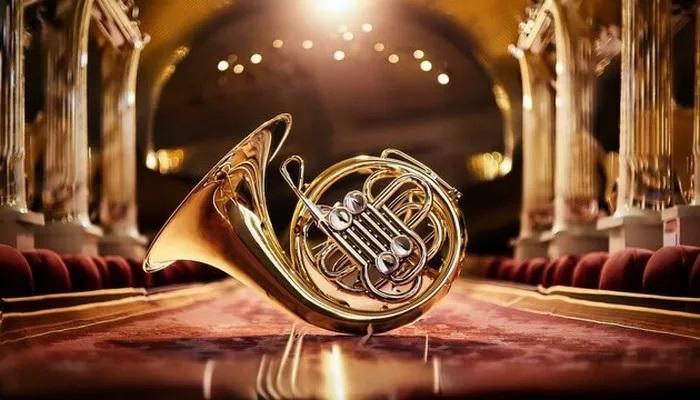
The French horn is a coiled instrument with a wide bell at the end. It has a warm, rich tone and is known for its expressive capabilities. The French horn typically has three or four valves that allow the player to change the pitch by altering the length of the tubing.
The French horn is a transposing instrument, which means that the notes written in the music are not the same as the pitches that are actually sounded. Most French horns are in the key of F, meaning that when a player plays a written C, it sounds like an F on the piano.
The Trumpet
The trumpet is a more straightforward brass instrument, usually with three valves and a smaller, narrower bell. It produces a bright, penetrating sound that can project well in a variety of musical settings. The trumpet is also a transposing instrument, but it is typically in the key of B♭. This means that when a trumpet player plays a written C, it sounds like a B♭ on the piano.
Transposition: A Key Difference
One of the main differences between the French horn and trumpet is how they are transposed. Transposition refers to the way notes are written and how they sound when played.
French Horn Transposition
The French horn in F is a fifth lower than written. For example, if a French horn player sees a C in their music, they actually play an F. This can be confusing for those who are not familiar with the instrument.
Here’s a simple way to understand this:
Written C on French Horn → Sounds F
Written D on French Horn → Sounds G
Written E on French Horn → Sounds A
This transposition means that the French horn player must be aware of the difference between what they see on the page and what they are actually playing.
Trumpet Transposition
The trumpet in B♭ is a whole step lower than written. This means that when a trumpet player sees a C in their music, it sounds like a B♭.
Here’s how it looks:
Written C on Trumpet → Sounds B♭
Written D on Trumpet → Sounds C
Written E on Trumpet → Sounds D
This transposition is simpler than that of the French horn, as it only involves moving down a whole step.
Comparing Notes: Are They the Same?
Now that we understand transposition, let’s look at how the notes compare between the French horn and trumpet.
Similarities in Range
Both instruments have a similar range, typically spanning about three octaves. However, the specific notes they play will differ due to their transposition.
For example, if a French horn player plays a written C (which sounds like an F), a trumpet player would need to play a written D to sound the same pitch.
Example of Note Comparison
Here’s a simple comparison of notes between the two instruments:
French Horn Written C → Sounds F
Trumpet Written D → Sounds B♭
If you want to play the same pitch, you must account for the transposition.
Practical Implications
This difference in transposition has practical implications for musicians. When playing in ensembles, musicians need to be aware of each instrument’s transposition to ensure they are playing in harmony. For example, if a composer writes a piece for both French horn and trumpet, they must write the parts in such a way that both instruments can play the same melody at the correct pitch.
The Role of Each Instrument
While both the French horn and trumpet can play similar notes, they serve different roles in music.
French Horn
The French horn is often used for its rich, mellow sound. It can play lyrical melodies and provide harmonic support. In orchestras, the French horn often blends well with strings and woodwinds, adding depth to the overall sound.
The French horn is also known for its ability to play in a wide range of dynamics, from soft, gentle passages to powerful, bold statements. This versatility makes it a favorite among composers.
Trumpet
The trumpet, on the other hand, is known for its bright and bold sound. It often plays the melody in orchestras and bands. The trumpet can cut through the sound of other instruments, making it ideal for fanfares and leading themes.
In jazz music, the trumpet is frequently featured as a solo instrument, showcasing its agility and expressive capabilities.
Learning and Playing
If you are considering learning either instrument, it’s important to understand their differences and similarities.
Learning the French Horn
Learning the French horn can be challenging due to its unique embouchure and transposition. Here are some tips for beginners:
Focus on Embouchure: Developing a good embouchure is crucial for producing a clear sound. Practice buzzing your lips to strengthen your embouchure.
Understand Transposition: Familiarize yourself with how the French horn transposes. This will help you read music more effectively.
Regular Practice: Consistent practice is key to mastering the French horn. Work on scales, long tones, and pieces to build your skills.
Learning the Trumpet
Learning the trumpet also comes with its own challenges. Here are some tips for trumpet players:
Breath Control: Good breath control is essential for playing the trumpet. Practice diaphragmatic breathing to support your sound.
Finger Technique: Work on your finger speed and coordination to navigate the valves smoothly.
Play with Others: Playing in ensembles can help you develop your skills and improve your timing and intonation.
Conclusion
In conclusion, while the French horn and trumpet can play similar notes, they are not the same. Their transposition differences mean that players must be aware of how to read music for each instrument. The French horn plays in the key of F, while the trumpet is typically in the key of B♭.
Both instruments have unique sounds and roles in music. The French horn offers a warm, rich tone, while the trumpet provides a bright, bold sound. Understanding these differences is essential for musicians, especially when playing in ensembles.
Whether you choose to play the French horn or the trumpet, both instruments offer a rewarding musical experience. Each has its own challenges and joys, allowing you to explore the wonderful world of brass music. Happy playing!
 Deutsch
 English
 Arabic
 French
 Spanish
 Portuguese
 Turkish
 Dutch
Dutch
 Italiano
 Russian
 Romaian
 Portuguese (Brazil)
 Greek
Greek