


How Lithium Iron Phosphate Battery Requires Compliance With Transport Safety Standards
Introduction to Safety Compliance
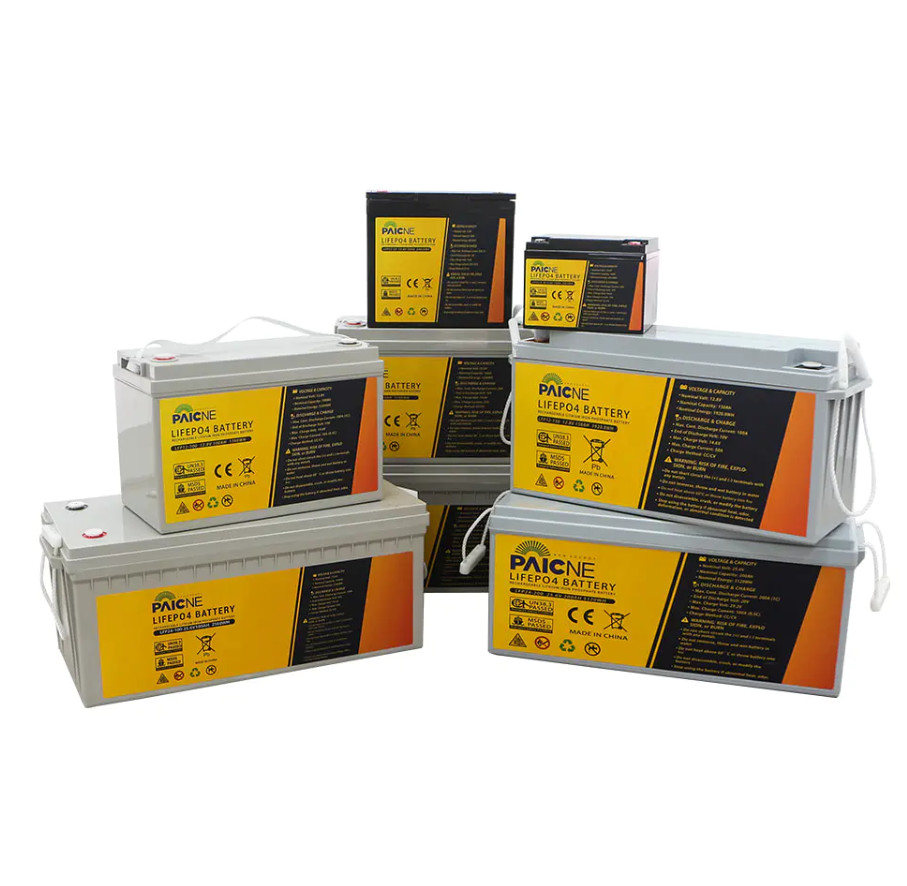
Lithium Iron Phosphate Battery (LiFePO4) is recognized for its safety advantages compared to many other lithium chemistries, but that does not eliminate the need for strict handling measures. During transportation and storage, these batteries remain classified as hazardous goods due to their energy density and potential risks under abuse. To ensure safety across global supply chains, a number of international and national regulations must be followed, covering packaging, labeling, storage conditions, and monitoring practices.
Regulations for Transportation
Transporting lithium-based batteries, including LiFePO4, is governed by international guidelines such as the United Nations Manual of Tests and Criteria, Section 38.3, which requires batteries to pass a series of mechanical, thermal, and electrical tests before shipment. Air transport is regulated under IATA’s Dangerous Goods Regulations, mandating special packaging, protective enclosures, and restrictions on weight and size per shipment. Road and sea transport must also comply with ADR and IMDG codes, which outline safe handling, labeling of hazardous materials, and documentation requirements. These rules help minimize risks such as short circuits, overheating, or accidental ignition during transit.
Packaging and Labeling Standards
Proper packaging is essential to prevent mechanical damage or electrical contact between cells. Batteries are typically shipped in shock-absorbent materials, non-conductive containers, and with terminals covered to prevent short circuits. Labels indicating “Lithium Battery” along with hazard symbols are mandatory, ensuring handlers recognize the nature of the cargo. Clear documentation, including safety data sheets, must accompany shipments to comply with customs and safety checks worldwide.
Storage Safety Considerations
When stored, LiFePO4 batteries should be kept in cool, dry environments, away from direct sunlight, moisture, and flammable materials. Temperature control is critical, as prolonged exposure to extreme heat may degrade battery performance or create hazards. Ventilation systems are recommended in storage areas to disperse any gases in case of accidental leakage. Batteries should be stored in partially charged states, usually around 40–60%, to preserve longevity while reducing the risk of thermal instability. Fire suppression systems designed for electrical fires, such as clean-agent extinguishers, are also advised.
Monitoring and Risk Management
Safe storage and transport are not only about physical arrangements but also active monitoring. Large-scale shipments often employ battery management systems or tracking devices to monitor temperature, state of charge, and handling conditions. Training personnel in emergency procedures is another crucial requirement. Regulations emphasize preparedness, ensuring that handlers know how to respond to incidents such as package damage, overheating, or accidental short circuits during transit or storage.
While Lithium Iron Phosphate Battery is inherently safer than many other lithium chemistries, strict adherence to transport and storage regulations remains essential. Compliance with international testing, packaging, labeling, and monitoring standards minimizes risks and ensures safe movement across global markets. By following these safety practices, industries can benefit from the advantages of LiFePO4 technology without compromising on reliability and security.
Features:
1. High energy density: Phosphate iron lithium batteries have a higher energy density, providing longer usage time and higher cruising range.
2. Long cycle life: Phosphate iron lithium batteries have a long cycle life and can withstand more charge and discharge cycles without reducing performance.
3. Good high-temperature performance: Phosphate iron lithium batteries still maintain good performance at high temperatures and are not prone to safety issues such as thermal runaway.
4. Fast charging: Phosphate iron lithium batteries have high charging efficiency and can complete charging in a short time.
5. High safety: Compared to other lithium-ion batteries, phosphate iron lithium batteries have lower risk of self-ignition and explosion.
 French
 English
 Arabic
 Spanish
 Portuguese
 Deutsch
 Turkish
 Dutch
Dutch
 Italiano
 Russian
 Romaian
 Portuguese (Brazil)
 Greek
Greek