


Safety Guidelines for Handling and Storing Lubricant Additive Packages in Factories
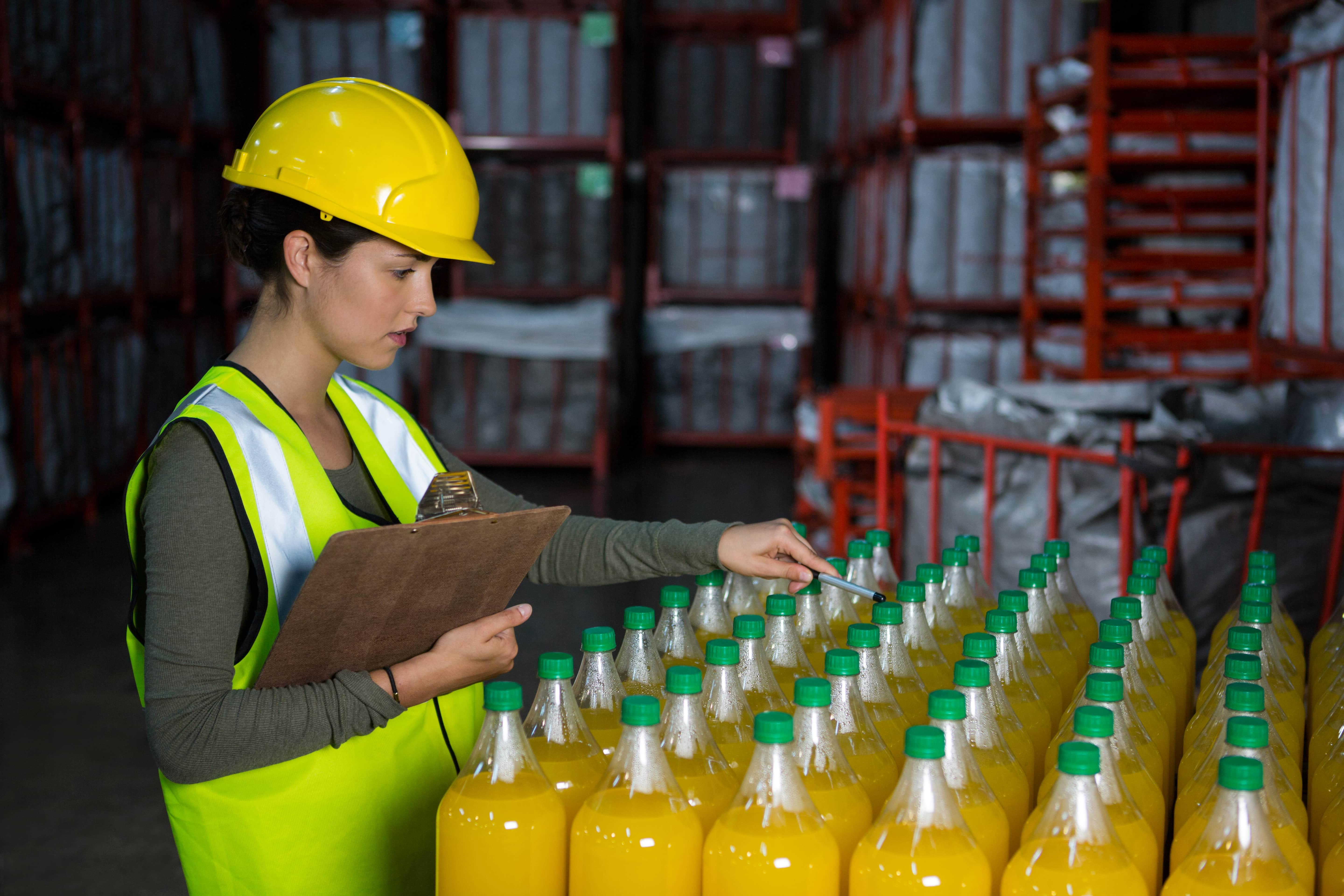
Have you ever wondered what measures factories take to ensure the safe handling of chemicals used in lubricants? Lubricant additive packages are essential for improving the performance of oils and lubricants. They help reduce wear, prevent oxidation, and maintain viscosity under different conditions. However, these packages often contain chemicals that can be hazardous if not handled or stored properly. Ensuring safety in factories protects workers, equipment, and the environment.
Understanding Lubricant Additive Packages
Lubricant additive packages are combinations of different chemicals added to base oils to improve performance. They may include anti-wear agents, detergents, dispersants, and friction modifiers. Each chemical has specific properties and requires proper handling to avoid accidents. Workers should be trained to understand the composition of each package and its potential hazards before working with it.
Proper Storage Conditions
One of the first safety measures is storing lubricant additive packages in appropriate conditions. They should be kept in cool, dry areas away from direct sunlight and heat sources. Extreme temperatures can cause chemical degradation or pressure buildup in containers. Safety measures include temperature monitoring and using storage racks designed to prevent leaks or spills.
Correct Labeling and Segregation
All containers should be clearly labeled with the contents and hazard warnings. This helps workers identify chemicals quickly and respond correctly in case of an emergency. Segregating incompatible chemicals is also important. For example, oxidizers should never be stored near flammable additives. Correct labeling and segregation reduce the risk of accidental reactions.
Handling Procedures
When handling lubricant additive packages, workers should always wear protective equipment such as gloves, goggles, and aprons. Using proper lifting techniques and equipment like forklifts or trolleys helps prevent physical injuries. Spills should be cleaned immediately using absorbent materials, and contaminated surfaces should be treated according to safety guidelines.
Ventilation and Air Quality
Many lubricant additives can release fumes or vapors that are harmful if inhaled. Factories should maintain proper ventilation systems to keep air quality safe. Local exhaust systems near handling areas can help capture fumes before they spread. Air quality monitoring ensures that the levels of chemicals remain within safe limits.
Emergency Preparedness
Factories must have clear emergency protocols for dealing with spills, fires, or exposure to chemicals. This includes having fire extinguishers, spill kits, eyewash stations, and first aid readily available. Workers should be trained on how to use this equipment and respond quickly in case of an emergency. Regular drills can reinforce preparedness.
Transportation Within Factories
Moving lubricant additive packages inside a factory requires careful planning. Containers should be sealed properly to prevent leaks. Using carts, pallets, or forklifts designed for chemical transport helps reduce the risk of accidents. Routes should be clear of obstacles, and workers should be trained on safe transportation procedures.
Waste Management
Disposing of empty containers or expired additives must follow environmental and safety regulations. Containers should be rinsed if required and disposed of in designated areas. Avoid pouring leftover chemicals down drains or into the environment, as this can cause contamination. Proper waste management protects both workers and the surrounding ecosystem.
Training and Awareness
A critical safety measure is continuous training for all employees handling lubricant additive packages. Workers should be aware of chemical hazards, safety procedures, and emergency protocols. Regular workshops and updates ensure that everyone stays informed about new chemicals or revised guidelines.
Regular Inspection and Maintenance
Factories should conduct regular inspections of storage areas, containers, and safety equipment. Checking for leaks, damaged containers, or expired chemicals prevents accidents before they occur. Maintenance of ventilation systems, spill kits, and protective equipment ensures that safety measures are always effective.
Conclusion
Handling and storing lubricant additive packages safely is essential for the smooth operation of factories. By following proper storage conditions, using protective equipment, maintaining ventilation, preparing for emergencies, and training workers, factories can prevent accidents and ensure a safe workplace. Continuous monitoring and adherence to guidelines help protect both people and the environment while maintaining the effectiveness of these important chemical packages.

 English
 French
 Spanish
 Portuguese
 Deutsch
 Turkish
 Dutch
Dutch
 Italiano
 Russian
 Romaian
 Portuguese (Brazil)
 Greek
Greek