


Why Is Aluminum a Popular Choice for CNC Machining?
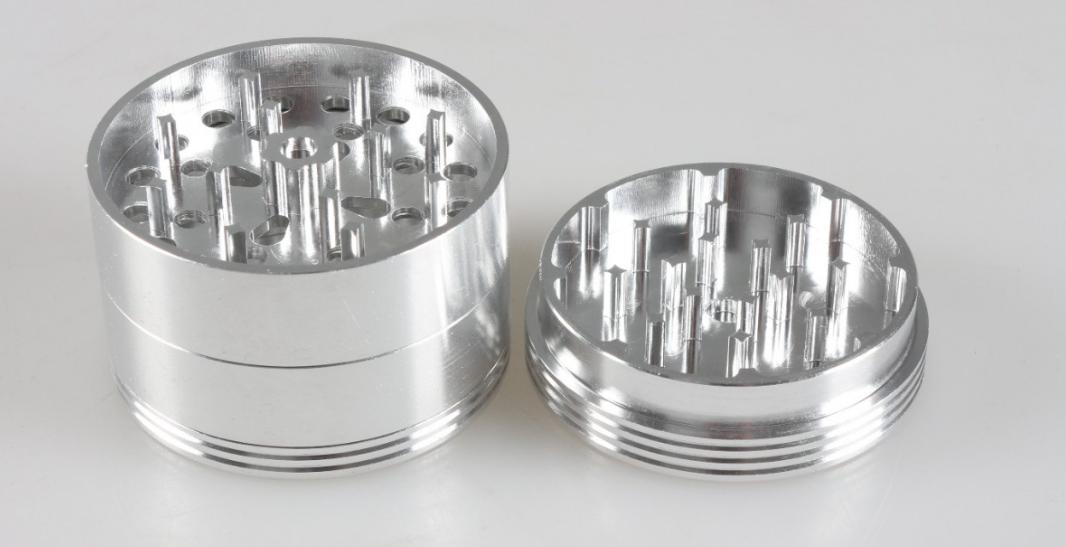
Aluminum's reign as a favorite material for CNC machining stems from a combination of desirable properties that make it both cost-effective and versatile. Here's a deeper dive into why it stands out:
Machinability
Aluminum is inherently soft and malleable. Compared to tougher metals, it's like butter to a hot knife for CNC machines. This translates to several benefits:
l Faster Production Times: Softer material allows the CNC machine to cut through it quicker, reducing overall machining time per part. This translates to lower production costs, especially for high-volume orders.
l Reduced Tool Wear: The softer nature of aluminum reduces wear and tear on the CNC cutting tools. This translates to longer tool life, reducing downtime for tool changes and maintenance, ultimately contributing to efficient production.
l Wider Range of Machining Techniques: Aluminum's machinability allows it to be compatible with various CNC machining techniques, including milling, turning, drilling, and tapping. This versatility makes it suitable for creating a broader range of complex part geometries.
Strength-to-Weight Ratio
Aluminum offers a sweet spot between weight and strength. Here's the breakdown:
l Lightweight: Aluminum is significantly lighter than most metals commonly used in CNC machining, like steel. This lightweight property makes it ideal for applications where weight reduction is crucial, such as in:
l Aerospace components: Reducing weight in airplanes translates to better fuel efficiency and increased payload capacity.
l Automotive parts: Lighter car components contribute to improved fuel economy and performance.
l Consumer electronics: Lighter laptops, phones, and cameras enhance portability and user comfort.
l Strength: While not the strongest metal, aluminum can be surprisingly strong, especially when alloyed with other elements. This allows for the creation of parts that are both lightweight and structurally sound.
Variety of Alloys
Not all aluminum is created equal. There's a vast array of aluminum alloys, each formulated to offer specific properties. This extensive selection allows you to choose the perfect alloy for your project's needs. Here are some examples:
l High Strength Alloys (e.g., 7075): Prioritize strength over weight? Alloys like 7075 are ideal for applications demanding high strength, like bicycle frames or aerospace components.
l Corrosion Resistant Alloys (e.g., 5052): Need a part that can withstand harsh environments? Alloys like 5052 offer excellent corrosion resistance, making them suitable for marine applications or outdoor equipment.
l Machinable Alloys (e.g., 6061): Looking for the best of both worlds: good machinability and decent strength? 6061 is a popular choice that offers a good balance between these properties.
 English
 Arabic
 French
 Spanish
 Portuguese
 Deutsch
 Turkish
 Dutch
Dutch
 Italiano
 Russian
 Romaian
 Portuguese (Brazil)
 Greek
Greek