


Analyzing the Operational Stability of Homogenizing Agent in Both Hot and Cold Environments
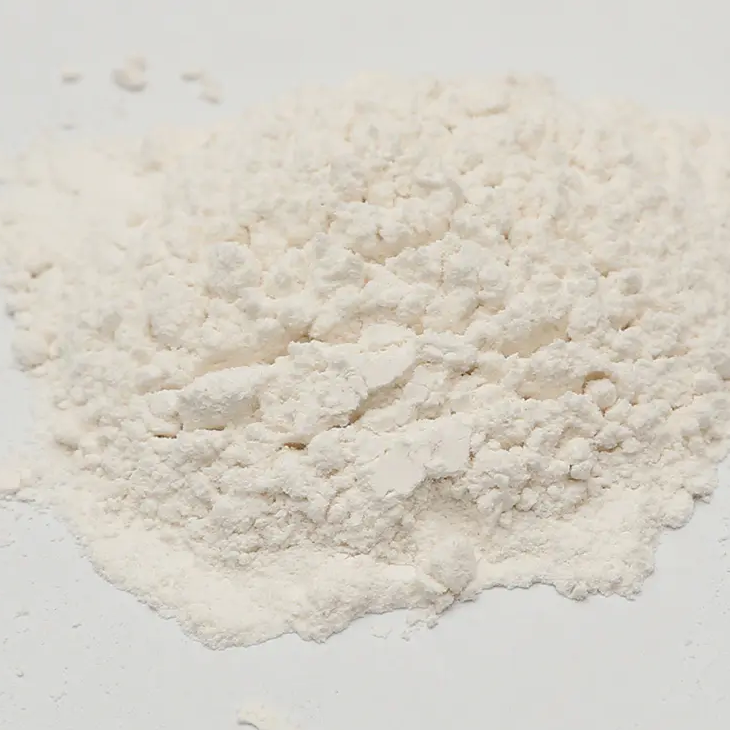
The homogenizing agent is widely used in various industries to create uniform mixtures and stable emulsions, but its performance can be influenced significantly by temperature conditions. When operating under high-temperature conditions, the physical properties of the liquid, such as viscosity and density, change, which can affect the efficiency of particle size reduction. Elevated temperatures generally lower the viscosity of many liquids, allowing particles to move more freely and making it easier for the homogenizing forces to achieve uniform dispersion. However, extreme heat may also pose challenges, including the potential for thermal degradation of sensitive components or increased wear on mechanical parts due to thermal expansion and stress. Modern homogenizing systems often incorporate heat-resistant materials and cooling mechanisms to maintain consistent performance under such conditions.
Conversely, low-temperature environments present a different set of challenges. Liquids tend to become more viscous or even partially solidify, which increases resistance to flow and can reduce the effectiveness of the homogenization process. High shear forces may be required to overcome the increased viscosity, potentially demanding more energy and putting additional strain on equipment. Additionally, very cold conditions can impact seals, gaskets, and other mechanical components, requiring materials that can maintain flexibility and integrity without cracking. Despite these challenges, homogenizing agents designed for low-temperature applications are capable of processing viscous or semi-solid mixtures efficiently, ensuring particle uniformity and stability even in challenging conditions.
The adaptability of a homogenizing agent to varying temperatures is influenced not only by the mechanical design but also by the control systems that regulate pressure, flow, and shear forces. Some advanced systems include real-time monitoring and automatic adjustments that compensate for changes in liquid properties caused by temperature fluctuations. This ensures that the homogenization process remains consistent and effective across both hot and cold applications, preserving the desired texture, stability, and quality of the final product.
Industries such as dairy, pharmaceuticals, cosmetics, and chemical manufacturing often encounter materials that must be processed at extreme temperatures. For instance, milk or cream may be homogenized after pasteurization at high temperatures, while certain pharmaceutical suspensions require cold homogenization to preserve heat-sensitive active ingredients. In both cases, the homogenizing agent demonstrates its versatility, provided that operational parameters and equipment materials are carefully selected to match the thermal environment.
In conclusion, the homogenizing agent performs effectively under a wide range of temperature conditions, though high and low extremes present distinct operational challenges. Its efficiency depends on proper mechanical design, temperature-resistant materials, and adaptive control systems, allowing it to maintain consistent particle size reduction and mixture uniformity. Understanding these factors enables manufacturers to optimize performance, protect sensitive ingredients, and achieve high-quality results regardless of temperature variations.
Molecular formula :[C 16 H 18 04]2 Si
Uses: This product is non-toxic and environmentally friendly. It is suitable for natural rubber and synthetic rubber, exhibiting an obvious plasticizing effect and a good dispersion function on rubber materials. The mixing time can be
shortened. Speed up filler dispersion. Make it have good uniformity, and it can effectively prevent product blooming. The general dosage is 1-3 servings.
 French
 English
 Arabic
 Spanish
 Portuguese
 Deutsch
 Turkish
 Dutch
Dutch
 Italiano
 Russian
 Romaian
 Portuguese (Brazil)
 Greek
Greek