


Prosthetic Heart Valves Market From Design to Patient Care
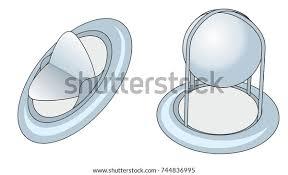
The prosthetic heart valves market is witnessing a dynamic transformation, extending its impact from cutting-edge valve designs to holistic patient care. Innovations in materials, surgical techniques, and post-operative management are redefining how patients with heart valve diseases are treated, ultimately improving outcomes and enhancing quality of life.
1. Advanced Valve Design
Modern prosthetic heart valves are engineered with precision to mimic natural valve function while ensuring durability. Mechanical valves, composed of materials like titanium and carbon, provide long-lasting performance. Biological valves, derived from animal tissues, offer natural flow dynamics and reduced need for blood thinners. Emerging technologies, including hybrid and polymeric valves, are further expanding design options to cater to diverse patient needs.
2. Minimally Invasive Procedures
Minimally invasive techniques, such as Transcatheter Aortic Valve Replacement (TAVR) and Transcatheter Mitral Valve Repair (TMVR), have revolutionized heart valve surgeries. By reducing the need for open-heart procedures, these approaches minimize complications, shorten hospital stays, and accelerate recovery. This focus on less invasive treatment is bridging the gap between innovative valve design and patient-centered care.
3. Personalized Treatment Planning
Advanced imaging technologies, including 3D echocardiography and cardiac CT scans, allow clinicians to develop individualized treatment plans. Precise measurements of the heart’s anatomy guide valve selection and placement strategies, improving surgical accuracy and patient outcomes. Personalized approaches ensure that each patient receives the optimal prosthetic valve for their unique condition.
4. Integration of Digital Health
Post-surgery care is enhanced through digital health tools, including wearable monitors and telemedicine platforms. These technologies allow real-time tracking of heart function, early detection of complications, and timely intervention. Patients benefit from continuous monitoring and support, promoting safer recovery and long-term well-being.
5. Patient Education and Engagement
Patient education is critical to successful heart valve therapy. Informing patients about treatment options, surgical procedures, and post-operative care empowers them to make informed decisions. Engaged patients are more likely to adhere to treatment plans, monitor their health, and participate actively in recovery programs, ultimately improving outcomes.
6. Enhanced Rehabilitation Programs
Rehabilitation following valve replacement combines physical therapy, lifestyle counseling, and ongoing medical guidance. Structured programs, supported by digital platforms and mobile apps, help patients regain strength, maintain heart health, and adjust to new lifestyles. Effective rehabilitation ensures sustained improvements in patient quality of life.
7. Robotic-Assisted and AI-Enhanced Surgery
The integration of robotic systems and artificial intelligence in valve surgeries is increasing precision and reducing procedural risks. Robotic-assisted surgeries allow surgeons to perform complex tasks with minimal incisions, while AI supports decision-making through predictive analytics, risk assessment, and procedure planning. These technologies link innovative design with optimal surgical execution.
8. Global Expansion of Access
Innovations in valve design and patient care are becoming increasingly accessible worldwide. Emerging markets are adopting advanced technologies at a growing rate, allowing broader populations to benefit from minimally invasive procedures and high-quality prosthetic valves. This expansion is contributing to global improvements in cardiovascular health outcomes.
9. Focus on Long-Term Outcomes
Modern prosthetic heart valves and comprehensive patient care strategies emphasize long-term health. Clinicians monitor valve performance, patient adherence to therapy, and lifestyle modifications, ensuring sustainable benefits. This approach reduces the likelihood of re-intervention and enhances patient satisfaction.
10. Future Perspectives
The prosthetic heart valves market is expected to continue evolving, with advancements in bioresorbable valves, fully personalized implants, and integrated digital care platforms. These innovations will strengthen the connection between valve design and patient care, further improving safety, efficacy, and overall life quality for patients worldwide.
In conclusion, the prosthetic heart valves market is advancing from state-of-the-art valve designs to comprehensive patient care. Through innovative technologies, minimally invasive procedures, and patient-centered approaches, the market is enhancing surgical outcomes, recovery experiences, and long-term health, paving the way for better lives for individuals with heart valve diseases.
 Russian
 English
 Arabic
 French
 Spanish
 Portuguese
 Deutsch
 Turkish
 Dutch
Dutch
 Italiano
 Romaian
 Portuguese (Brazil)
 Greek
Greek