


Construction Debris Removal: Best Practices for a Safe and Clean Site
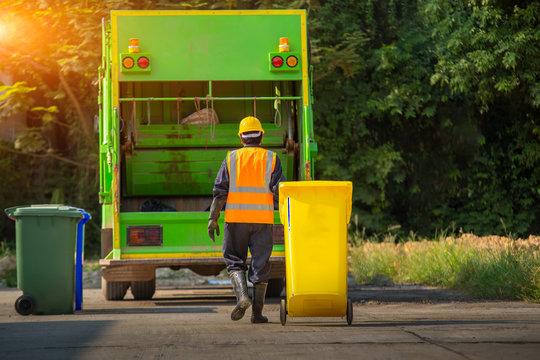
Construction and renovation projects can transform a space, but they also generate a significant amount of debris. From piles of wood and drywall to scrap metal and concrete, leftover materials can quickly turn a work site into a safety hazard if not handled properly. Construction debris removal is a critical part of keeping your site safe, organized, and compliant with local regulations.
In this guide, we’ll cover best practices for removing construction waste, how professional junk removal services can help, and eco-friendly ways to handle leftover materials.
Why Construction Debris Removal Matters
Safety
Loose debris creates tripping hazards, risks of falling objects, and other workplace dangers.
Compliance
Many cities have strict waste management regulations. Failure to dispose of debris properly can result in fines.
Efficiency
A clutter-free site makes it easier for workers to move around and complete tasks.
Common Types of Construction Debris
-
Wood scraps and sawdust
-
Drywall and plaster
-
Concrete and bricks
-
Scrap metal
-
Roofing materials
-
Packaging waste (cardboard, plastic wrap)
-
Old fixtures and appliances
Some materials require special disposal methods, especially hazardous waste such as asbestos or lead-based paint.
Step 1: Identify and Sort Debris
Before hauling away debris, sort it into categories:
-
Reusable Materials – Lumber, bricks, or fixtures that can be repurposed.
-
Recyclables – Scrap metal, cardboard, and certain plastics.
-
Waste – Non-recyclable and damaged items.
Organizing debris before removal makes the process faster and more eco-friendly.
Step 2: Choose the Right Disposal Method
Depending on the debris type, you may need different solutions:
-
Dumpsters – Ideal for large-scale cleanouts.
-
On-Site Sorting – Keeps recyclables separate from waste.
-
Donation – Usable fixtures and materials can go to charities.
If you want to avoid handling all this yourself, expert junk hauling companies can manage sorting, loading, and disposal for you.
Step 3: Use Proper Safety Gear
Anyone handling debris should wear:
-
Work gloves
-
Safety goggles
-
Steel-toed boots
-
Dust masks or respirators
This protects against cuts, dust inhalation, and other hazards.
Step 4: Schedule Regular Pickups
For ongoing construction projects, schedule debris removal at regular intervals. This prevents buildup and keeps the site safe for workers.
Step 5: Partner with Eco-Friendly Removal Services
Many construction materials can be recycled or reused. Choosing eco-friendly junk disposal services ensures that metal, wood, and other recyclable materials are kept out of landfills.
Benefits of Hiring Professional Junk Removal for Construction Debris
Time Savings
Crews can load and haul away debris quickly, allowing workers to focus on the project.
Heavy Lifting
Professionals have equipment like dollies and skid steers for moving large items.
Compliance
Experts know how to handle regulated waste according to local laws.
Cleaner Site
A tidy work environment boosts efficiency and safety.
How to Select the Right Construction Debris Removal Service
-
Experience with construction waste
-
Licensing and insurance
-
Transparent pricing
-
Sustainable practices
Ask if they can provide documentation for recycled materials, which can be useful for LEED certification or green building credits.
Conclusion
A successful construction project isn’t just about the final build—it’s also about keeping the site safe, clean, and organized throughout the process. By following best practices for construction debris removal and working with professional junk removal teams, you can save time, improve safety, and reduce your environmental impact.
FAQs About Construction Debris Removal
Q1: Can I throw construction debris in my regular trash?
No, most construction waste must be disposed of separately according to local regulations.
Q2: How much does professional debris removal cost?
Costs vary depending on debris volume and location, but expect anywhere from $200 to $800 for large loads.
Q3: What materials can be recycled from a construction site?
Metal, wood, cardboard, and certain plastics can often be recycled.
 Greek
Greek
 English
 Arabic
 French
 Spanish
 Portuguese
 Deutsch
 Turkish
 Dutch
Dutch
 Italiano
 Russian
 Romaian
 Portuguese (Brazil)