


Physician Scheduling System Market AI-Powered Innovations
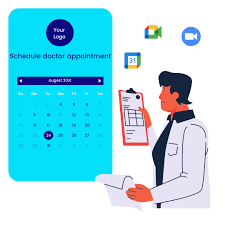
The physician scheduling system market is undergoing a significant transformation, driven by the integration of artificial intelligence (AI) technologies. These innovations are reshaping how healthcare providers manage appointments, streamline operations, and enhance patient experiences. This article delves into the key AI-powered advancements revolutionizing physician scheduling systems.
1. Predictive Scheduling and Demand Forecasting
AI algorithms analyze historical data to predict patient demand, enabling healthcare providers to optimize appointment slots and reduce wait times. By forecasting peak periods and patient preferences, AI-driven scheduling systems can proactively adjust schedules, ensuring efficient resource utilization and improved patient satisfaction.
2. Automated Appointment Booking and Self-Scheduling
AI-powered chatbots and virtual assistants facilitate seamless appointment booking by interacting with patients through various channels such as websites, mobile apps, and messaging platforms. These intelligent systems can handle inquiries, verify insurance information, and schedule appointments without human intervention, reducing administrative workload and enhancing patient convenience.
3. Real-Time Schedule Optimization
AI systems continuously monitor and adjust physician schedules in real-time, accommodating last-minute cancellations, emergency cases, or staff absences. By dynamically reallocating resources and optimizing schedules, AI ensures that healthcare providers can maintain optimal service levels and minimize disruptions.
4. Integration with Electronic Health Records (EHR)
AI-powered scheduling systems integrate with EHRs to provide comprehensive patient information during the scheduling process. This integration enables healthcare providers to consider factors such as medical history, current treatments, and physician specialties when scheduling appointments, leading to more personalized and efficient care.
5. Natural Language Processing (NLP) for Appointment Management
NLP technologies allow AI systems to understand and process human language, enabling patients to schedule appointments using voice commands or written messages. By interpreting patient requests accurately, NLP enhances user experience and accessibility, making scheduling more intuitive and user-friendly.
6. Intelligent Reminders and Notifications
AI-driven scheduling systems send personalized reminders and notifications to patients via SMS, email, or mobile apps, reducing the likelihood of missed appointments. These intelligent reminders can include pre-appointment instructions, directions to the healthcare facility, and post-appointment follow-up information, improving patient engagement and compliance.
7. Data-Driven Insights for Continuous Improvement
AI systems analyze scheduling data to identify patterns, bottlenecks, and areas for improvement. By providing actionable insights, healthcare providers can make informed decisions to enhance scheduling efficiency, reduce patient wait times, and optimize resource allocation.
8. Scalability and Adaptability
AI-powered scheduling systems are scalable and adaptable, accommodating the growing needs of healthcare organizations. Whether managing a single clinic or a network of hospitals, AI systems can adjust to varying patient volumes, staffing levels, and operational complexities, ensuring consistent performance across diverse settings.
9. Enhanced Patient Experience
By streamlining the scheduling process, reducing wait times, and providing personalized care, AI-powered scheduling systems contribute to an enhanced patient experience. Satisfied patients are more likely to adhere to treatment plans, attend follow-up appointments, and recommend healthcare providers to others.
10. Future Prospects and Innovations
The future of AI in physician scheduling holds promising prospects, with ongoing advancements in machine learning, predictive analytics, and automation. Emerging technologies such as 5G connectivity, Internet of Medical Things (IoMT), and advanced data analytics are expected to further enhance the capabilities of AI-powered scheduling systems, leading to more efficient and patient-centric healthcare delivery.
Conclusion
AI-powered innovations are revolutionizing the physician scheduling system market, offering solutions that enhance efficiency, reduce no-shows, and improve patient satisfaction. By leveraging predictive analytics, automation, and integration with EHRs, healthcare providers can optimize scheduling processes and deliver personalized care. As technology continues to evolve, the integration of AI in scheduling systems will play a pivotal role in shaping the future of healthcare delivery.
 Portuguese
 English
 Arabic
 French
 Spanish
 Deutsch
 Turkish
 Dutch
Dutch
 Italiano
 Russian
 Romaian
 Portuguese (Brazil)
 Greek
Greek