


6 Common Failure Modes of Diaphragm Pressure Gauges
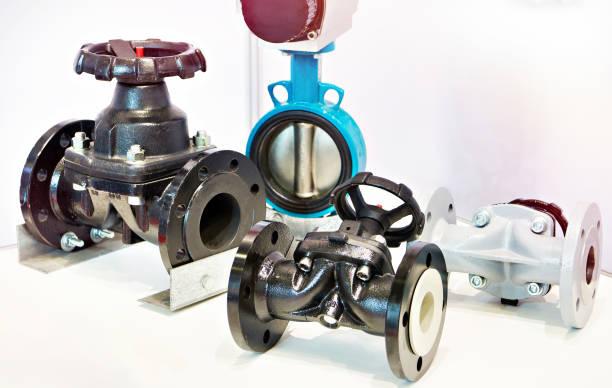
Diaphragm pressure gauges are vital instruments used to measure pressure in various industrial and mechanical systems. They convert pressure into mechanical displacement by means of a flexible diaphragm, which moves in response to pressure changes. These gauges are widely preferred for their accuracy and ability to measure low pressures or vacuum conditions. However, like any mechanical device, diaphragm pressure gauges are prone to failure over time due to environmental factors, mechanical wear, or improper handling. Understanding these common failure modes is crucial for maintaining reliable operation and preventing costly downtime.
Introduction to Diaphragm Pressure Gauges
Diaphragm pressure gauges operate by detecting pressure changes through the deformation of a diaphragm. The diaphragm is a thin, flexible membrane usually made from metal or elastomeric materials. When pressure is applied, the diaphragm bends or deflects, and this movement is transferred to a pointer or digital sensor to indicate the pressure value. These gauges are especially useful in applications where it is important to isolate the pressure sensing element from the media, such as corrosive fluids or sanitary processes.
Because diaphragm pressure gauges often operate in harsh environments or measure delicate pressure ranges, they require careful maintenance. Failures in these gauges can result in inaccurate readings, leakage, or complete loss of function, which can jeopardize safety and system performance. The six common failure modes detailed below will help users identify and troubleshoot problems with diaphragm pressure gauges.
1. Diaphragm Rupture
One of the most critical failure modes of diaphragm pressure gauges is diaphragm rupture. The diaphragm is the core sensing element, and if it tears or punctures, the gauge will fail to measure pressure accurately. Rupture typically happens when the pressure applied exceeds the diaphragm’s design limits. Overpressure conditions, sudden pressure spikes, or mechanical impact can cause the diaphragm to break.
A ruptured diaphragm often leads to leakage of the process fluid into the gauge, contaminating the internal mechanism. In corrosive or toxic media, this can be hazardous. Rupture may also cause permanent deformation, leading to loss of sensitivity or erratic readings. To prevent this failure, it is important to choose a diaphragm gauge with a pressure range suitable for the application and to use overpressure protectors where necessary.
2. Diaphragm Fatigue
Fatigue failure occurs due to repetitive cyclic loading on the diaphragm. Since diaphragm pressure gauges often experience pressure fluctuations, the diaphragm undergoes continuous bending. Over time, this repeated flexing can cause microscopic cracks to form and grow in the diaphragm material. Eventually, these cracks can lead to complete diaphragm failure.
Fatigue failure reduces the accuracy and reliability of the gauge gradually. It is more common in gauges subjected to pulsating pressure rather than steady pressure. Choosing diaphragms made from fatigue-resistant materials, such as stainless steel or specially treated alloys, can extend the service life. Proper installation and avoiding excessive pressure cycles also reduce fatigue risks.
3. Corrosion and Chemical Attack
Diaphragm pressure gauges are frequently used in environments with aggressive chemicals, acidic or alkaline fluids, and corrosive gases. If the diaphragm material is not compatible with the media, chemical attack can occur. This failure mode leads to material degradation such as pitting, thinning, or surface roughening of the diaphragm.
Corrosion weakens the diaphragm’s mechanical strength, causing leaks or loss of sensitivity. It also affects the gauge’s accuracy, as the diaphragm may not flex properly. To combat corrosion, manufacturers use corrosion-resistant materials like Hastelloy, Monel, or Teflon-coated diaphragms for specific applications. Proper material selection based on chemical compatibility is critical to avoid this failure mode.
4. Mechanical Wear and Tear
Mechanical wear and tear is a common problem that affects the moving parts connected to the diaphragm. While the diaphragm itself is a flexible element, it is linked to a mechanical movement system, including levers, gears, and pointers. Continuous use, vibration, or contamination can cause wear on these components.
Wear leads to increased friction, backlash, and inaccuracy in pressure readings. Dust, dirt, or process fluid deposits can further accelerate wear. If maintenance is neglected, the mechanical linkage may seize or break, rendering the gauge useless. Regular cleaning, lubrication, and inspection help mitigate mechanical wear problems.
5. Leakage and Seal Failure
The diaphragm pressure gauge relies on proper sealing between the diaphragm and the gauge body to isolate the pressure media and maintain accuracy. Over time, seals such as O-rings, gaskets, or weld joints can deteriorate due to chemical attack, temperature cycling, or mechanical stress.
Seal failure results in leakage of process fluid into or out of the gauge. This leakage can cause contamination, corrosion inside the gauge, or safety hazards. It also leads to inaccurate pressure readings due to pressure loss or fluid intrusion. To avoid seal failures, it is important to use compatible sealing materials, monitor temperature and pressure conditions, and inspect seals regularly for signs of wear or damage.
6. Blockage or Clogging
In some applications, the pressure media contains solids, debris, or viscous fluids. These materials can accumulate around or beneath the diaphragm, causing blockage or clogging. When the diaphragm is blocked, it cannot move freely in response to pressure changes, resulting in inaccurate or no readings.
Blockage is especially common in sanitary, food, or chemical processing industries where particulates or residues may build up. Proper installation of filtering devices or diaphragms with flush or flush-mounted designs can reduce clogging risks. Routine cleaning is essential to maintain proper diaphragm function.
Conclusion
Diaphragm pressure gauges play a crucial role in monitoring and controlling pressure in many industrial systems. Despite their robust design, these instruments are susceptible to several common failure modes. Diaphragm rupture, fatigue, corrosion, mechanical wear, seal leakage, and blockage are the main causes of malfunction.
By understanding these failure mechanisms, users can take proactive measures such as selecting appropriate materials, ensuring proper installation, performing regular maintenance, and using protective devices. This knowledge not only extends the service life of diaphragm pressure gauges but also ensures safety and accuracy in pressure measurement.
Regular inspection and timely troubleshooting based on these failure modes will help maintain the reliability and efficiency of diaphragm pressure gauges in any demanding application.
 English
 Arabic
 French
 Spanish
 Portuguese
 Deutsch
 Turkish
 Dutch
Dutch
 Italiano
 Russian
 Romaian
 Portuguese (Brazil)
 Greek
Greek