


Step-by-Step Guide to Lube Oil Filter Maintenance
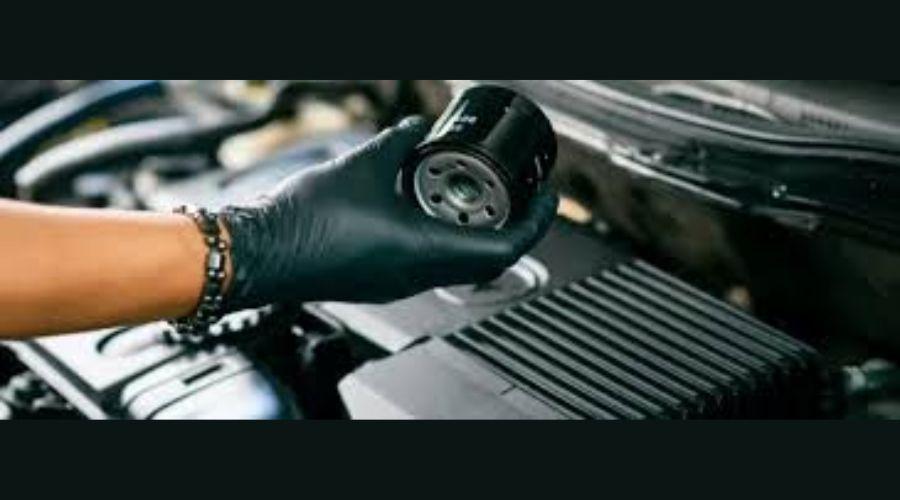
Proper maintenance of your vehicle’s lube oil filter is essential for the long-term health of your engine. The oil filter plays a crucial role in keeping the engine oil clean, trapping dirt, metal particles, and other contaminants. Over time, a clogged or dirty oil filter can reduce engine performance, increase wear and tear, and even lead to costly repairs.
In this detailed guide, we’ll walk you through everything you need to know about lube oil filter maintenance, including why it’s important, when to change it, and a step-by-step process to do it yourself.
What is a Lube Oil Filter?
A lube oil filter, also known as an engine oil filter, is a device designed to remove impurities from the engine oil. As oil circulates through the engine, it picks up debris and contaminants. The oil filter traps these particles, preventing them from damaging internal engine components.
Without a properly functioning oil filter, dirty oil can lead to friction, overheating, and premature engine failure.
Why Lube Oil Filter Maintenance is Important
Regular oil and filter maintenance offers several benefits:
-
Improved engine performance
-
Extended engine life
-
Better fuel efficiency
-
Reduced emissions
-
Lower maintenance costs
Neglecting oil filter maintenance can result in dirty oil, clogged filters, and decreased lubrication – all of which can severely harm your engine.
How Often Should You Replace the Oil Filter?
Most manufacturers recommend replacing the oil filter every 5,000 to 10,000 kilometers, or during every oil change. However, this may vary depending on:
-
Vehicle type and age
-
Driving conditions (dusty, off-road, high-speed, etc.)
-
Type of oil used (synthetic oils may last longer)
Always check your vehicle owner’s manual for specific recommendations.
Tools and Materials You’ll Need
Before starting, gather the following tools and supplies:
-
New oil filter
-
Correct type and amount of engine oil
-
Oil filter wrench
-
Socket wrench set
-
Oil catch pan
-
Funnel
-
Clean rags or paper towels
-
Rubber gloves
-
Car jack and jack stands (if needed)
Step-by-Step Guide to Lube Oil Filter Maintenance
Step 1: Park and Prepare
Ensure your vehicle is parked on a flat surface. Turn off the engine and allow it to cool for about 10–15 minutes to avoid burns. Use jack stands if needed to safely raise the vehicle.
Place the oil catch pan under the oil drain plug and filter area.
Step 2: Drain the Old Engine Oil
Use a wrench to remove the oil drain plug and let the old oil flow into the catch pan. Allow it to drain completely. This may take a few minutes.
Once drained, reinstall the drain plug and tighten it securely.
Step 3: Remove the Old Oil Filter
Locate the oil filter (check your manual if unsure). Use an oil filter wrench to loosen and remove it. Be careful—some oil may spill out.
Wipe the area around the filter mount with a clean cloth.
Step 4: Install the New Oil Filter
Before installing the new filter, apply a small amount of fresh engine oil to the rubber gasket on the filter. This ensures a good seal and prevents the gasket from sticking during future removal.
Screw the new filter into place by hand. Do not over-tighten; snug is enough.
Step 5: Refill the Engine Oil
Use a funnel to add the recommended amount and type of engine oil. Pour slowly to avoid spills. Once filled, replace the oil cap.
Start the engine and let it run for a minute. Then, turn it off and wait a few minutes before checking the oil level with the dipstick. Top up if needed.
Step 6: Check for Leaks
Inspect the area around the oil drain plug and filter for any signs of leaks. If everything looks clean and dry, you’re good to go.
Dispose of the used oil and old filter properly. Most service centers or auto parts stores accept used oil for recycling.
Pro Tips for Oil Filter Maintenance
-
Always use the correct filter type for your vehicle.
-
Never reuse old oil filters—they are designed for single use.
-
Keep a log of oil changes and filter replacements to stay on schedule.
-
If your oil looks black and sludgy, you may need to flush the system.
Conclusion
Maintaining your lube oil filter is one of the simplest yet most effective ways to ensure a smooth-running engine and avoid costly repairs. By following this step-by-step guide, you can take control of your vehicle’s health and extend its lifespan.
Whether you’re a DIY enthusiast or just trying to save money, oil and filter maintenance is a task worth learning. Set a regular maintenance schedule, and your engine will thank you with better performance and reliability.
 Spanish
 English
 Arabic
 French
 Portuguese
 Deutsch
 Turkish
 Dutch
Dutch
 Italiano
 Russian
 Romaian
 Portuguese (Brazil)
 Greek
Greek