


What are Floating Oil Rigs: How Simulation Contributing to Their Innovation and Efficiency
In the expansive realm of the open sea, colossal structures known as oil rigs emerge from the depths, seemingly defying physics as they majestically float on the water's surface. The intriguing question often arises: Do oil rigs truly float? The answer delves into the fascinating and complex interplay of buoyancy, engineering marvels, and the indispensable role of drilling simulators. This article takes you on a journey to unravel the truth behind the floating oil rigs and explores how simulators contribute to their innovation and efficiency.
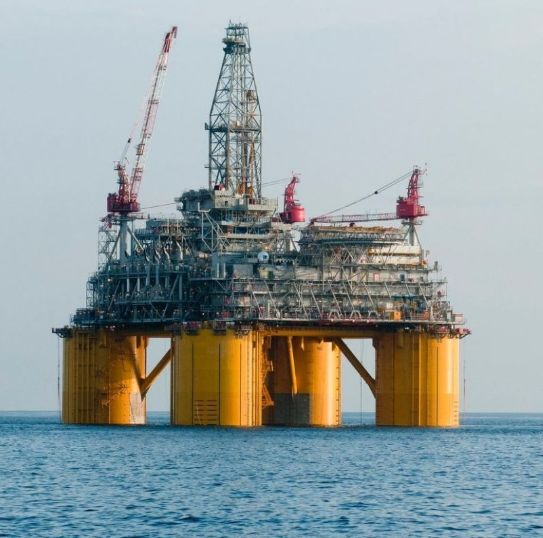
The Physics Behind Floating Oil Rigs
Buoyancy:
Buoyancy, a fundamental principle involving the upward force exerted by a fluid (seawater) on an immersed object, is crucial for floating oil rigs. These structures are designed to displace a volume of water equal to or greater than their own weight, allowing them to stay afloat.
Stability:
To withstand forces such as waves, currents, wind, and the weight of equipment, floating oil rigs need stability. Achieved through strategically placed ballast (heavy materials), the distribution of weight and ballast ensures a low center of gravity, preventing tilting or capsizing.
Hydrostatics:
Hydrostatics, dealing with fluid behavior at rest, plays a role in determining the equilibrium of the platform. Pressure differences exerted by surrounding water contribute to the buoyant force, maintaining the rig's afloat status.
Types of Floating Oil Rigs
Various designs and considerations apply to different types of floating oil rigs:
Semi-Submersibles:
Columns or pontoons submerged underwater provide stability by utilizing buoyant force to counteract weight, connected to a deck holding drilling equipment.
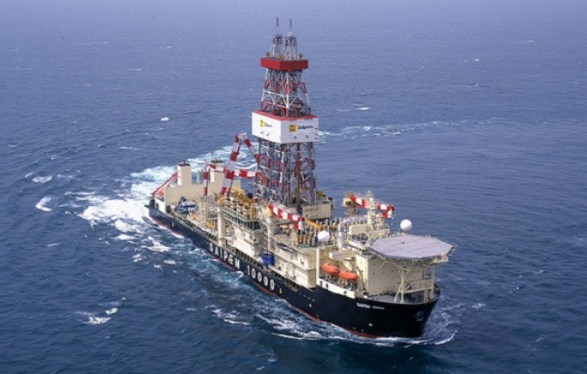
Drillships:
Ships with drilling equipment, featuring a deep hull for buoyancy and stability. Dynamic positioning systems maintain the ship's position over the drilling site.
Tension Leg Platforms (TLPs):
Vertical tethers or tension legs anchor the platform to the seabed, limiting lateral movement while allowing vertical movement in response to waves.
Spar Platforms:
Cylindrical structures extending above and below the water's surface, utilizing buoyancy from the submerged section and housing drilling equipment and living quarters above water.
FPSOs (Floating Production Storage and Offloading):
Used for production and storage, FPSOs are moored to the seabed, achieving buoyancy and stability through hull design and ballast systems.
In summary, the physics of floating oil rigs involve principles of buoyancy, stability, and hydrostatics, ensuring their operation in the challenging offshore environment.
Simulation of Offshore Oil Rigs
Rig Design and Construction:
Simulation is utilized during the design phase to create virtual prototypes, allowing engineers to test different configurations for safety and efficiency.
Buoyancy and Stability:
Simulation aids in understanding how rigs maintain buoyancy and stability in various sea conditions, optimizing the rig's structure and ballast systems.
Drilling Processes:
Drilling simulations enable practice and optimization of procedures in a virtual environment, including well control and actual drilling operations.
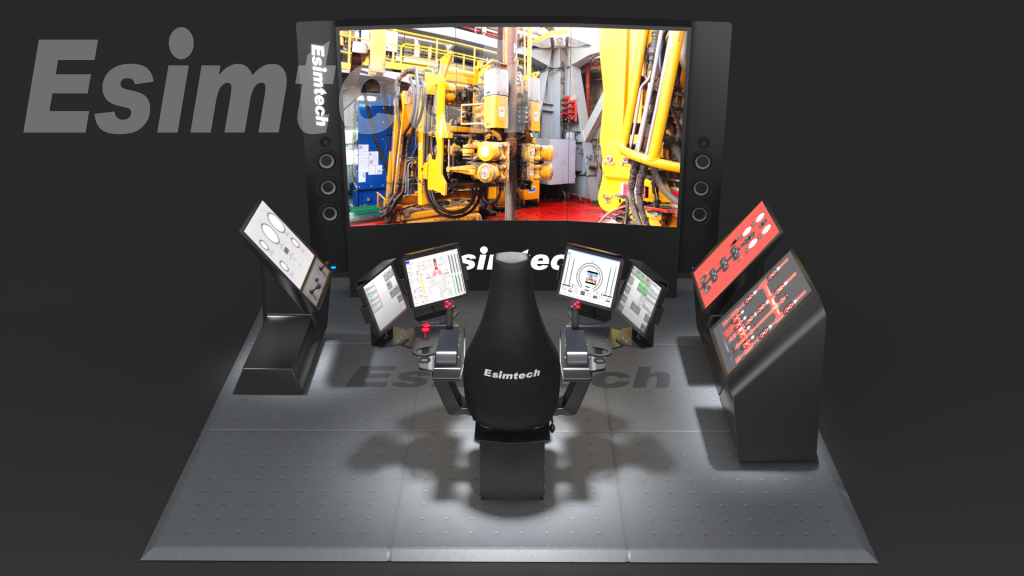
Dynamic Responses:
Simulations replicate responses to external factors like waves and wind, predicting their effects on stability, motion, and performance.
Emergency Scenarios:
Simulators train personnel in responding to emergencies, allowing practice of evacuation procedures and safety protocols.
Crew Training:
Simulation is essential for training rig personnel, providing familiarity with operations, equipment handling, and safety procedures.
Equipment Testing:
Simulation allows testing and optimizing the performance of drilling equipment and machinery, identifying potential issues before actual rig deployment.
Data Integration:
Platforms can be connected to real-time data feeds, enabling decision-making based on actual data and responding to changing conditions.
Optimization and Efficiency:
Engineers analyze different scenarios to identify opportunities for improving operational efficiency.
Risk Mitigation:
Simulations help identify potential risks and challenges, allowing operators to develop strategies to enhance safety measures.
Research and Development:
Simulation is a valuable tool for testing new technologies, accelerating innovation, and reducing risks associated with new solutions.
Incorporating simulation enhances safety, reduces downtime, improves efficiency, and prepares personnel for various scenarios, contributing to a safer and more sustainable offshore industry.
Conclusion
Oil rigs do indeed float, showcasing the remarkable synergy between physics, engineering, and innovative technology. Buoyancy, a timeless principle, continues to shape modern oil rig design and operation. Leveraging advanced simulators ensures stability, safety, and efficiency in the unpredictable marine environment. As our understanding of physics and technology advances, oil rigs will remain steadfast on the water's surface, symbolizing human achievement in overcoming nature's challenges.
 Dutch
Dutch
 English
 Arabic
 French
 Spanish
 Portuguese
 Deutsch
 Turkish
 Italiano
 Russian
 Romaian
 Portuguese (Brazil)
 Greek
Greek