


Does an English Horn Have a Reed? It’s Important
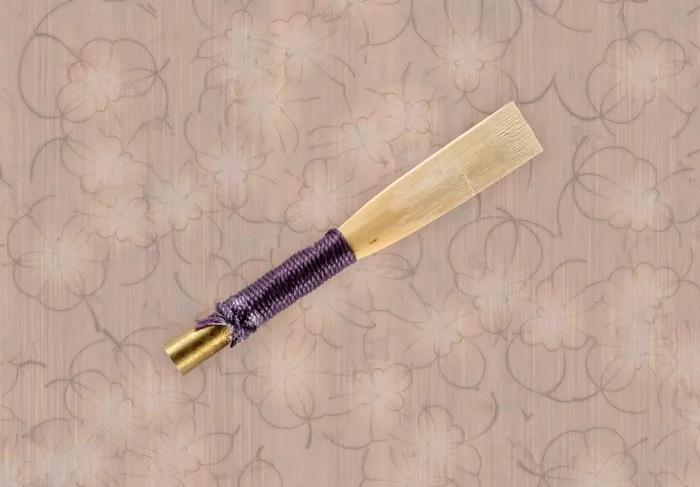
The English horn, also known as the cor anglais, holds a unique position within the double reed woodwind family. It is often mistaken for a variant of the oboe due to their visual similarities and shared tonal characteristics. However, the English horn distinguishes itself in both timbre and function within the orchestra and solo repertoire. A commonly asked question among music students and curious listeners is: Does an English horn have a reed? The short answer is yes—but the longer explanation dives deep into how the reed is made, how it influences sound, and how it compares to other woodwind instruments.
What Is a Reed in Woodwind Instruments?
A reed is a thin strip of material—usually cane—that vibrates to produce sound in woodwind instruments. Reeds are divided into two primary categories: single reeds and double reeds. Single reed instruments include the clarinet and saxophone. Double reed instruments, like the oboe and English horn, require a reed that is folded and tied together, producing two vibrating blades that generate sound when air passes through them.
Does an English Horn Have a Reed?
The English horn uses a double reed, just like its smaller cousin, the oboe. The reed is essential to the English horn’s operation. Without it, the instrument would produce no sound. When the player blows air between the two blades of the reed, the resulting vibration sets the air column within the instrument into motion. This vibration produces the distinct, melancholic sound the English horn is known for.
Design Differences: English Horn Reed vs. Oboe Reed
While both the oboe and the English horn use double reeds, their reeds differ in size and construction. The English horn reed is:
-
Longer than the oboe reed
-
Wider at the tip
-
Constructed with a larger staple or metal tube
These design adjustments accommodate the English horn’s lower pitch and longer bore. As a result, the reed not only contributes to sound production but also shapes the instrument’s tonal color, making it darker and more mellow compared to the oboe.
How the English Horn Reed Is Made
The making of an English horn reed is a craft that requires precision, patience, and a deep understanding of acoustics. The process typically involves:
Gouging and shaping – A piece of Arundo donax cane is cut and thinned to the correct thickness.
Folding and scoring – The cane is folded and scored to prepare for tying.
Binding – The cane is tied onto a staple, typically made of brass or silver.
Scraping – The blades of the reed are scraped to a precise thickness to allow for proper vibration.
Professionals often adjust reeds for specific pieces, environments, or performance settings, making reed-making a deeply personal aspect of playing the English horn.
Reed Materials: Natural Cane vs. Synthetic Options
Most English horn players use reeds made from natural cane due to its superior sound quality and flexibility. However, synthetic reeds are available and are typically used for:
-
Practice settings
-
Outdoor performances
-
Teaching beginners
While synthetic reeds offer consistency and durability, many professionals find them lacking the nuanced control offered by cane reeds.
Adjusting the Reed for Performance Needs
A reed must be tailored to the player’s needs, and this is done through various adjustments. These include:
Tip length – Affects response and attack
Heart thickness – Controls resistance and tone warmth
Spine width – Stabilizes the reed structure
These adjustments are crucial in fine-tuning a reed to match the repertoire or the acoustics of a concert hall.
Reed Comparison: English Horn vs. Other Double Reed Instruments
Here’s how the English horn reed compares with other double reed instruments:
Oboe – Smaller reed, brighter tone
Bassoon – Larger reed, more flexible structure
Contrabassoon – Very large reed, deep resonance
Each instrument has unique reed needs due to differences in bore length, register, and tonal goals.
Conclusion
The answer to whether the English horn has a reed is a definitive yes. More than just a mechanical necessity, the reed is the heart and soul of the instrument’s sound. It determines everything from tone quality and intonation to articulation and dynamics. Whether handcrafted by the player or sourced from professional makers, the English horn reed is a vital component that demands skill, patience, and artistry. Understanding and mastering this small but essential piece is key to unlocking the full expressive power of the English horn.
 Turkish
 English
 Arabic
 French
 Spanish
 Portuguese
 Deutsch
 Dutch
Dutch
 Italiano
 Russian
 Romaian
 Portuguese (Brazil)
 Greek
Greek