How to Choose the Right Laser Cutting Services Provider (And Why It Matters More Than You Think)
If you've ever had a product launch delayed because a component came out wrong — wrong dimensions, rough edges, or just not what the design called for — you already know the real cost of working with the wrong manufacturer.Precision fabrication is one of those areas where a small mistake compounds fast. And when it comes to selecting a laser cutting services provider, most businesses don't realize what they're actually evaluating until something goes sideways.
This guide is for anyone who deals with custom parts, fabricated components, or high-tolerance manufacturing — whether you're a product designer, procurement manager, or a startup founder trying to bring a hardware idea to life.
Why Laser Cutting Has Become the Go-To Choice in Modern Manufacturing
Laser cutting isn't new. But the way it's being used has evolved dramatically over the last decade. What was once a process reserved for large industrial facilities is now accessible to small-batch manufacturers, design studios, and even individual entrepreneurs.
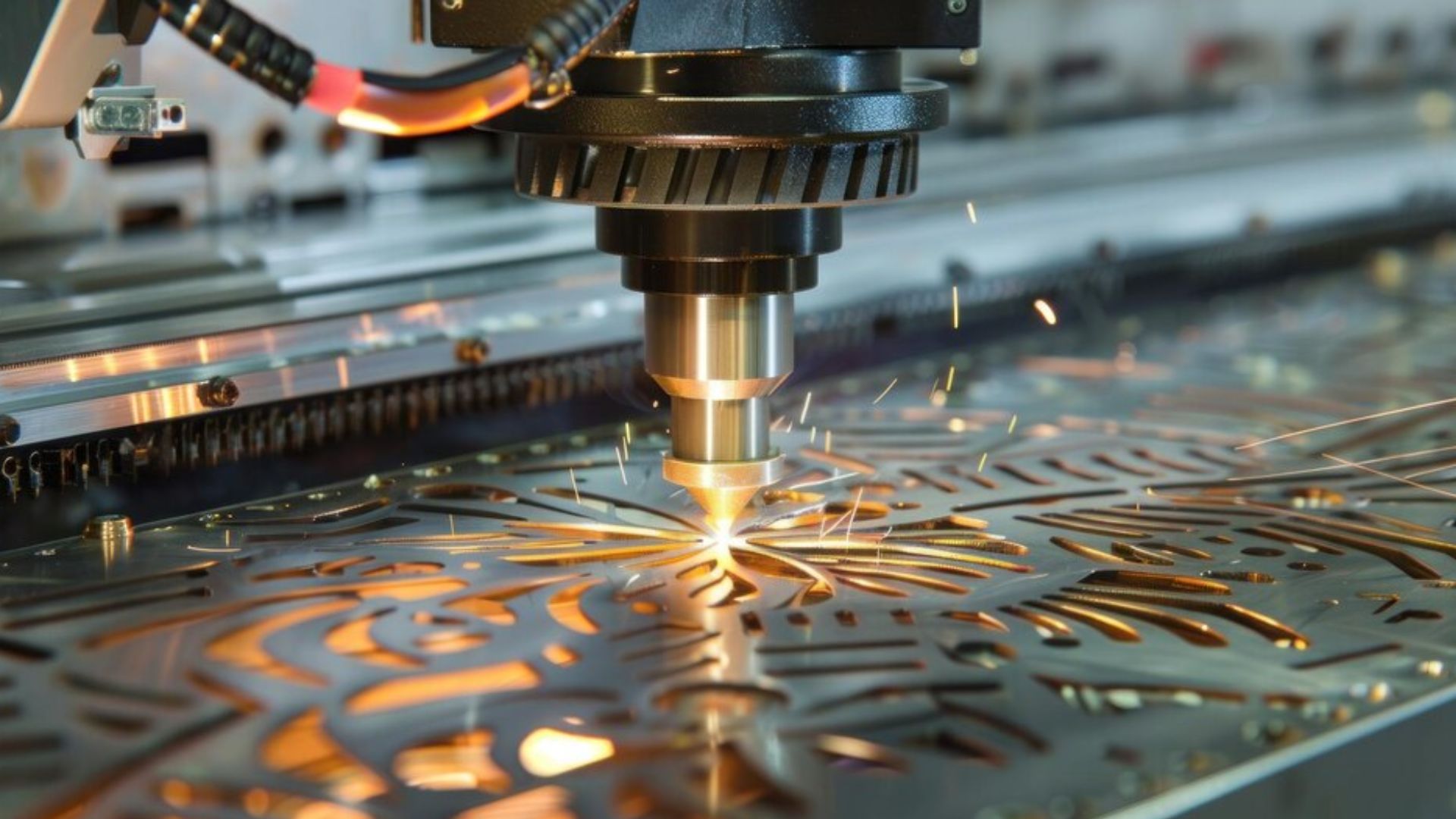
The technology works by directing a high-powered laser beam to cut, engrave, or etch materials with extreme accuracy. We're talking tolerances as tight as ±0.1mm on materials ranging from stainless steel and aluminum to acrylic, wood, and polycarbonate.
Here's what makes it genuinely useful compared to traditional cutting methods:
Speed: A job that might take hours with CNC milling can be completed in minutes.
Repeatability: Once a design is dialed in, every cut is identical — no human variance.
Minimal waste: The precision of the beam means less material gets discarded.
Clean edges: Most materials come out with smooth, burr-free cuts that require little to no post-processing.
A 2023 industry report by MarketsandMarkets projected the global laser cutting machine market to grow from $5.7 billion to over $8.5 billion by 2028 — a strong signal that this isn't a niche technology anymore. It's mainstream manufacturing.
The Hidden Complexity Behind "Just Laser Cutting"
Here's what many buyers don't account for: not all laser cutting is equal, and not every laser cutting services provider is equipped for every type of job.
There are three primary types of laser cutting used commercially:
CO₂ Lasers — Best for non-metal materials like wood, acrylic, leather, and fabric. These are common in signage, interior design, and packaging.
Fiber Lasers — Optimized for metals, especially reflective ones like copper and brass where CO₂ lasers struggle. They're faster and more energy-efficient for sheet metal work.
Nd:YAG/Nd:YVO₄ Lasers — Used for finer, more intricate applications, often in electronics and medical device manufacturing.
If you need a stainless steel enclosure cut and your provider primarily uses CO₂ machines, you're already setting yourself up for subpar results. The equipment has to match the application.
What to Actually Look for When Evaluating a Provider
Choosing a laser cutting services provider isn't just about who has the best price per square inch. That's the start, but there are several factors that matter just as much — and sometimes more.
1. Material Range and Expertise
Ask directly: What materials do you specialize in? A provider that confidently handles mild steel, anodized aluminum, and acrylic will serve most industrial clients well. But if your design calls for titanium or carbon fiber, you need someone with documented experience there.
Don't just take their word for it. Request samples or ask for photos of past work in your specific material.
2. Tolerance Capabilities
Every design has a tolerance requirement. If yours demands ±0.05mm and the provider's standard is ±0.2mm, you'll face rejection rates that cost you time and money.
Ask for their standard tolerances upfront, and be specific about your requirements. A good provider will tell you honestly whether your specs are achievable — and how they plan to verify it.
3. File Format Acceptance and DFM Support
Reputable providers accept industry-standard formats: DXF, DWG, AI, or STEP files. More importantly, the best ones offer Design for Manufacturability (DFM) feedback — meaning they'll flag issues in your file before cutting begins.
This is often the difference between a smooth production run and a rework cycle that burns through your timeline and budget.
4. Turnaround Time and Communication
In manufacturing, time is rarely a soft variable. Ask about standard lead times, rush order capabilities, and how they communicate production updates. A provider that goes quiet after receiving your PO is a red flag.
Good providers often have a dedicated point of contact or a project management system that gives you visibility into your job's status.
5. Quality Assurance Process
How does the provider verify finished parts? Do they use coordinate measuring machines (CMM)? Are there visual inspection checkpoints? Do they send you an inspection report with your shipment?
For industries like aerospace, medical, or automotive, you may also need ISO 9001 certification or compliance with specific standards. Always ask.
Red Flags That Signal It's Time to Look Elsewhere
Experience teaches you to recognize patterns. Here are some warning signs that a laser cutting services provider may not be the right fit:
They can't provide references or sample work. Quality providers are proud of their work. If they're hesitant to show past projects, that's a concern.
Pricing is suspiciously low. Laser cutting has real operational costs. If a quote seems too good, check whether they're cutting corners on material quality, machine maintenance, or QA.
Slow or vague communication during the quoting stage. How a provider communicates before they have your money is usually how they'll communicate once they do.
No DFM feedback. A provider that simply takes your file and runs it, without reviewing it for issues, is optimizing for throughput — not your success.
How Small Businesses Can Compete with Larger Buyers
Here's something that often surprises smaller buyers: volume leverage isn't the only way to get value from a laser cutting services provider.
Many providers actually prefer consistent small-batch clients over sporadic large orders, because predictable work is easier to schedule. If you can commit to a recurring order — even 10–20 units a month — you're often able to negotiate better rates and priority scheduling.
Also consider partnerships where the provider becomes a genuine collaborator rather than just a vendor. Share your roadmap. Let them suggest process improvements. The best results in fabrication often come from that kind of open relationship, not purely transactional exchanges.
The Role of Digital Connectivity in Modern Laser Cutting
Modern providers are integrating digital tools into their workflows in ways that genuinely improve client experience. Online quoting platforms, real-time production tracking, and API integrations with procurement systems are becoming standard among forward-thinking shops.
If you're managing multiple SKUs or frequent repeat orders, working with a digitally connected provider can significantly reduce administrative overhead and eliminate the email-tag cycle that plagues traditional procurement.
Conclusion: Precision Starts with the Right Partner
Laser cutting is one of the most reliable and versatile manufacturing processes available today. But its potential is only fully realized when you're working with a provider who understands your materials, respects your tolerances, and communicates clearly at every step.The time spent evaluating providers upfront pays dividends throughout every production cycle. If you're in the market for a dependable fabrication partner, companies like Raamps Industries are worth exploring — they bring both technical capability and a client-first approach to custom fabrication.The right laser cutting services provider isn't just a vendor. They're a quiet backbone of your product's quality and your business's reliability.
Visit us -
https://www.raampsindustries.com/services/laser-cutting/
How to Choose the Right Laser Cutting Services Provider (And Why It Matters More Than You Think)
If you've ever had a product launch delayed because a component came out wrong — wrong dimensions, rough edges, or just not what the design called for — you already know the real cost of working with the wrong manufacturer.Precision fabrication is one of those areas where a small mistake compounds fast. And when it comes to selecting a laser cutting services provider, most businesses don't realize what they're actually evaluating until something goes sideways.
This guide is for anyone who deals with custom parts, fabricated components, or high-tolerance manufacturing — whether you're a product designer, procurement manager, or a startup founder trying to bring a hardware idea to life.
Why Laser Cutting Has Become the Go-To Choice in Modern Manufacturing
Laser cutting isn't new. But the way it's being used has evolved dramatically over the last decade. What was once a process reserved for large industrial facilities is now accessible to small-batch manufacturers, design studios, and even individual entrepreneurs.
The technology works by directing a high-powered laser beam to cut, engrave, or etch materials with extreme accuracy. We're talking tolerances as tight as ±0.1mm on materials ranging from stainless steel and aluminum to acrylic, wood, and polycarbonate.
Here's what makes it genuinely useful compared to traditional cutting methods:
Speed: A job that might take hours with CNC milling can be completed in minutes.
Repeatability: Once a design is dialed in, every cut is identical — no human variance.
Minimal waste: The precision of the beam means less material gets discarded.
Clean edges: Most materials come out with smooth, burr-free cuts that require little to no post-processing.
A 2023 industry report by MarketsandMarkets projected the global laser cutting machine market to grow from $5.7 billion to over $8.5 billion by 2028 — a strong signal that this isn't a niche technology anymore. It's mainstream manufacturing.
The Hidden Complexity Behind "Just Laser Cutting"
Here's what many buyers don't account for: not all laser cutting is equal, and not every laser cutting services provider is equipped for every type of job.
There are three primary types of laser cutting used commercially:
CO₂ Lasers — Best for non-metal materials like wood, acrylic, leather, and fabric. These are common in signage, interior design, and packaging.
Fiber Lasers — Optimized for metals, especially reflective ones like copper and brass where CO₂ lasers struggle. They're faster and more energy-efficient for sheet metal work.
Nd:YAG/Nd:YVO₄ Lasers — Used for finer, more intricate applications, often in electronics and medical device manufacturing.
If you need a stainless steel enclosure cut and your provider primarily uses CO₂ machines, you're already setting yourself up for subpar results. The equipment has to match the application.
What to Actually Look for When Evaluating a Provider
Choosing a laser cutting services provider isn't just about who has the best price per square inch. That's the start, but there are several factors that matter just as much — and sometimes more.
1. Material Range and Expertise
Ask directly: What materials do you specialize in? A provider that confidently handles mild steel, anodized aluminum, and acrylic will serve most industrial clients well. But if your design calls for titanium or carbon fiber, you need someone with documented experience there.
Don't just take their word for it. Request samples or ask for photos of past work in your specific material.
2. Tolerance Capabilities
Every design has a tolerance requirement. If yours demands ±0.05mm and the provider's standard is ±0.2mm, you'll face rejection rates that cost you time and money.
Ask for their standard tolerances upfront, and be specific about your requirements. A good provider will tell you honestly whether your specs are achievable — and how they plan to verify it.
3. File Format Acceptance and DFM Support
Reputable providers accept industry-standard formats: DXF, DWG, AI, or STEP files. More importantly, the best ones offer Design for Manufacturability (DFM) feedback — meaning they'll flag issues in your file before cutting begins.
This is often the difference between a smooth production run and a rework cycle that burns through your timeline and budget.
4. Turnaround Time and Communication
In manufacturing, time is rarely a soft variable. Ask about standard lead times, rush order capabilities, and how they communicate production updates. A provider that goes quiet after receiving your PO is a red flag.
Good providers often have a dedicated point of contact or a project management system that gives you visibility into your job's status.
5. Quality Assurance Process
How does the provider verify finished parts? Do they use coordinate measuring machines (CMM)? Are there visual inspection checkpoints? Do they send you an inspection report with your shipment?
For industries like aerospace, medical, or automotive, you may also need ISO 9001 certification or compliance with specific standards. Always ask.
Red Flags That Signal It's Time to Look Elsewhere
Experience teaches you to recognize patterns. Here are some warning signs that a laser cutting services provider may not be the right fit:
They can't provide references or sample work. Quality providers are proud of their work. If they're hesitant to show past projects, that's a concern.
Pricing is suspiciously low. Laser cutting has real operational costs. If a quote seems too good, check whether they're cutting corners on material quality, machine maintenance, or QA.
Slow or vague communication during the quoting stage. How a provider communicates before they have your money is usually how they'll communicate once they do.
No DFM feedback. A provider that simply takes your file and runs it, without reviewing it for issues, is optimizing for throughput — not your success.
How Small Businesses Can Compete with Larger Buyers
Here's something that often surprises smaller buyers: volume leverage isn't the only way to get value from a laser cutting services provider.
Many providers actually prefer consistent small-batch clients over sporadic large orders, because predictable work is easier to schedule. If you can commit to a recurring order — even 10–20 units a month — you're often able to negotiate better rates and priority scheduling.
Also consider partnerships where the provider becomes a genuine collaborator rather than just a vendor. Share your roadmap. Let them suggest process improvements. The best results in fabrication often come from that kind of open relationship, not purely transactional exchanges.
The Role of Digital Connectivity in Modern Laser Cutting
Modern providers are integrating digital tools into their workflows in ways that genuinely improve client experience. Online quoting platforms, real-time production tracking, and API integrations with procurement systems are becoming standard among forward-thinking shops.
If you're managing multiple SKUs or frequent repeat orders, working with a digitally connected provider can significantly reduce administrative overhead and eliminate the email-tag cycle that plagues traditional procurement.
Conclusion: Precision Starts with the Right Partner
Laser cutting is one of the most reliable and versatile manufacturing processes available today. But its potential is only fully realized when you're working with a provider who understands your materials, respects your tolerances, and communicates clearly at every step.The time spent evaluating providers upfront pays dividends throughout every production cycle. If you're in the market for a dependable fabrication partner, companies like Raamps Industries are worth exploring — they bring both technical capability and a client-first approach to custom fabrication.The right laser cutting services provider isn't just a vendor. They're a quiet backbone of your product's quality and your business's reliability.
Visit us - https://www.raampsindustries.com/services/laser-cutting/










 English
 Arabic
 French
 Spanish
 Portuguese
 Deutsch
 Turkish
 Dutch
Dutch
 Russian
 Romaian
 Portuguese (Brazil)
 Greek
Greek