«In Iran una situazione tragica, migliaia di morti e nessuno si interessa» - 13 Feb 2026
di Emanuele Paccher
Il racconto di uno studente iraniano che ora vive in Trentino: «Ho perso due amici, la mia famiglia è ancora lì»
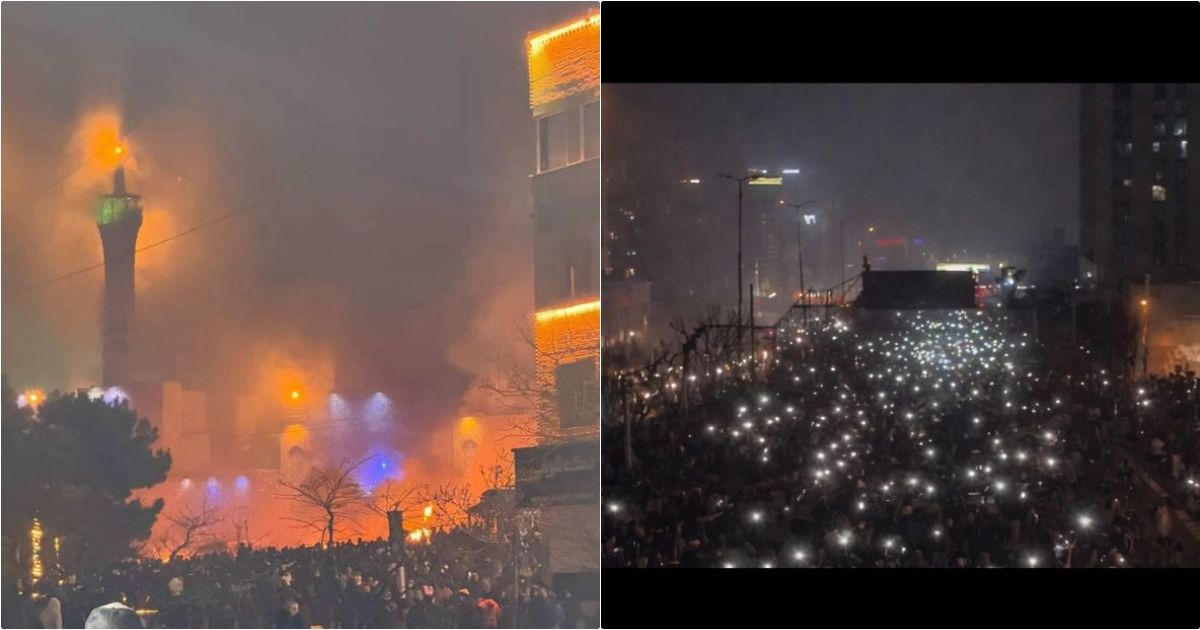
Dal 28 dicembre 2025 in Iran sono scoppiate le proteste contro il regime della Repubblica Islamica, guidato dalla guida suprema Ali Khamenei. Le manifestazioni nelle piazze, cominciate per motivi economici – inflazione dei prezzi, svalutazione della moneta, crisi economica –, sono ben presto esplose e tramutate in motivi politici. Ciò che gran parte della popolazione sogna, infatti, è un cambio di regime. Le manifestazioni pacifiche hanno, però, avuto vita breve: dopo aver bloccato l’accesso a internet e ai servizi telefonici, tra l’8 e il 9 gennaio 2026 il regime iraniano ha compiuto un vero e proprio massacro verso i propri cittadini. Le stime sono discordanti, ma variano dalle tremila persone uccise (come dichiarato da Teheran) a più di trentamila. Anche il numero dei feriti non è certo, ma sembra attestarsi tra i 300.000 e i 360.000. Molti di questi sarebbero stati accecati dalle forze di sicurezza. Le reazioni globali non sono mancate. Di recente l’Unione Europea, per il tramite del Consiglio Affari Esteri, ha inserito il Corpo delle Guardie della rivoluzione iraniana (i cosiddetti Pasdaran) nella lista dei terroristi. Ancora più forte è stata la reazione degli Stati Uniti. A parole il presidente Donald Trump ha minacciato a più riprese un intervento armato, nei fatti ha aumentato – e in modo notevole – la presenza militare statunitense nella regione. La popolazione iraniana come sta vivendo tutto questo? Com’è visto realmente il regime di Khamenei? Queste domande le abbiamo poste a un giovane studente iraniano attualmente in Trentino, che per motivi di sicurezza teniamo anonimo. Per agevolare la lettura, lo chiameremo Ali Mohammadi. La visione del giovane iraniano è netta: non può esistere un futuro di libertà finché la Repubblica Islamica rimarrà al potere. E un cambio di regime, purtroppo, non può prescindere da un intervento armato straniero. Per questo, la popolazione iraniana sta aspettando, con speranza, l’intervento degli Stati Uniti d’America.
Ali Mohammadi, può dirci quali sono i suoi legami con l’Iran?
«Sono nato in Iran e lì ci sono rimasto finché sono giunto in Italia per studiare. Attualmente in Iran ho entrambi i genitori, precisamente nella città di Tabriz, mentre mia sorella si trova a Teheran. Ora che la connessione internet è tornata, seppure in modo non stabile, ci sentiamo tutti i giorni. In Iran tutti i social più noti, come Instagram, YouTube, Twitter sono inaccessibili. Per connetterci è necessario utilizzare la Vpn, impostando un indirizzo IP da un Paese europeo o dagli Stati Uniti».
Com’è visto il regime di Khamenei dalla popolazione iraniana?
«Premetto che, secondo me, il regime della Repubblica Islamica non è da considerare legittimo e neppure iraniano. Perché gli iraniani che uccidono la loro stessa gente non sono considerabili iraniani. È come se, in Italia, Giorgia Meloni facesse uccidere 50.000 italiani in due giorni. La considerereste la legittima rappresentante degli italiani? No, la considerereste come un animale. Io, come tutti gli iraniani, siamo sconcertati da ciò che ha posto in essere il regime della Repubblica Islamica. Le proteste delle persone erano pacifiche e sono state soppresse con il sangue. La mia percezione è che più del 90% della popolazione vorrebbe un cambiamento radicale nel Paese. Nella Repubblica attuale le votazioni sono quasi una mera formalità, perché chi comanda è il leader supremo, non eleggibile dalla popolazione».
La risposta del regime alle proteste è stata disumana. Oltre ai morti e ai feriti, numerose persone sono detenute illegalmente. Com’è la situazione da questo punto di vista?
«La situazione è tragica. Molte persone sono detenute e sottoposte a torture. Anche per i morti non c’è pace: il governo chiede denaro alle famiglie per poter riavere i corpi indietro. Stanno vendendo i corpi chiedendo oltretutto alle famiglie di dichiarare che erano dei sostenitori del governo. Ti ricattano: se vuoi riavere il corpo indietro, paga e dichiara questo. Poi molti corpi vengono restituiti mutilati. Alle donne viene estratto l’utero per non lasciare traccia delle violenze a cui sono state sottoposte».
Come pensa che potrebbero cambiare le cose?
«L’unico scenario possibile per sovvertire la Repubblica Islamica è un intervento militare dall’esterno. So che questo può suonare come strano, perché chi è che vorrebbe una guerra nel proprio Paese? Ma la triste realtà è che non c’è altra soluzione. Un intervento militare esterno ci aiuterebbe moltissimo, perché cambiare il regime da soli, dall’interno, è quasi impossibile. Pensiamo al 1945, alla Germania soggiogata da Hitler: la popolazione come avrebbe potuto liberarsi del proprio dittatore senza un aiuto esterno? Era difficilissimo. E onestamente non ci sono differenze tra Hitler e la Repubblica Islamica. Anzi, per me la Repubblica Islamica è molto peggiore: Hitler non uccideva i tedeschi con questa intensità».
Pensa che un intervento militare degli Stati Uniti, magari coordinato con Israele, sarebbe accolto favorevolmente dalla popolazione?
«Sì, le persone lo stanno sperando, anche se tutti gli iraniani sanno che né Trump né Netanyahu si interessano davvero delle persone che sono state uccise. Ciò di cui si interessano è del petrolio iraniano, del fatto che la Repubblica Islamica non si doti di armi nucleari e di missili balistici, della possibilità di eliminare i proxy della Repubblica Islamica in giro per il mondo. Ma noi, come iraniani, non abbiamo bisogno né di missili, né di armi nucleari, né di terroristi. Il nostro Paese è molto ricco: potremmo utilizzare le nostre risorse per costruire scuole, industrie. Armi nucleari, missili, terroristi: sono tutte cose che originano dall’ideologia malata della Repubblica Islamica. Per questo, gli iraniani sperano in un intervento congiunto di Stati Uniti e Israele. Se accadrà, le persone torneranno nelle piazze per ottenere il cambio di regime».
Ha perso degli amici in queste proteste?
«Purtroppo sì. Due miei amici iraniani che studiavano in Italia, uno all’Università di Bologna e un altro all’università di Messina, sono tornati in Iran per fare visita alle loro famiglie. In quei giorni sono scoppiate le proteste. Hanno deciso di scendere in piazza per la libertà del loro Paese. In risposta, gli hanno sparato nel petto».
Qualcuno nelle piazze inneggiava al ritorno dello Shah, sperando in una transizione di potere guidata dal principe Reza Pahlavi, figlio di Mohammad Reza Pahlavi, l’ultimo Shah iraniano. Lo vede come uno scenario auspicabile?
Personalmente è ciò che spero per il mio Paese. È vero che con lo Shah non c’era una democrazia, che anche con Mohammad Reza Pahlavi il Paese era autocratico, ma la Repubblica Islamica si pone su un livello totalmente differente. Attualmente in Iran sono presenti due corpi militari: quello ordinario, che è debole, e quello della Repubblica Islamica, ossia il Corpo delle Guardie della Rivoluzione. Quest’ultimo corpo è pensato unicamente per proteggere l’islam radicale. In questo scenario, la speranza di tanti iraniani è di ottenere una transizione del potere attraverso la guida dello Shah Reza Pahlavi. Il suo piano è quello di far votare la popolazione su diversi punti: per la monarchia o la repubblica, per il Parlamento, per la Costituzione».
Com’è vista la situazione dell’intero Medio Oriente dalla prospettiva della popolazione iraniana?
«Prendiamo come esempio il 7 ottobre 2023: cos’è successo? È accaduto che la Repubblica Islamica ha addestrato le persone di Hamas che hanno commesso il massacro. Se ciò non fosse accaduto, non sarebbe avvenuto tutto ciò che è accaduto a Gaza. La responsabilità principale è della Repubblica Islamica, che è un vero cancro non soltanto per l’Iran, non soltanto per il Medio Oriente, ma per tutto il mondo. Attualmente i proxy del regime iraniano sono diffusi: gli Houthi in Yemen, Hashd al-Shaabi in Iraq, Hamas in Palestina. Se riuscissimo a eradicare la Repubblica Islamica, il Medio Oriente potrebbe veramente svoltare pagina».
Pensa che l’Italia e l’Unione europea intera stiano facendo abbastanza per l’Iran?
«L’aver inserito il Corpo delle Guardie della Rivoluzione Islamica nella lista dei terroristi è stata sicuramente una cosa positiva. Ciò che auspico è che l’Italia recida tutte le relazioni con la Repubblica Islamica. In questo altri Paesi europei si sono mossi con più tempismo, mentre Giorgia Meloni sta attendendo».
E il resto del mondo come sta reagendo?
«L’Iran, rispetto a ciò che è avvenuto a Gaza, non ha ricevuto quasi nessun supporto dal mondo e dall’Onu. Non voglio degradare ciò che è accaduto a Gaza: prego per loro tutti i giorni. Ciò che voglio dire è che in due settimane la Repubblica Islamica ha ucciso più persone di quelle morte a Gaza in due anni. Questa carenza di attenzione internazionale è dovuta principalmente al fatto che le persone odiano Trump e Israele. A rimetterci, però, sono gli iraniani”.
Source:
https://www.iltquotidiano.it/articoli/in-iran-una-situazione-tragica-migliaia-di-morti-e-nessuno-si-interessa/«In Iran una situazione tragica, migliaia di morti e nessuno si interessa» - 13 Feb 2026
di Emanuele Paccher
Il racconto di uno studente iraniano che ora vive in Trentino: «Ho perso due amici, la mia famiglia è ancora lì»
Dal 28 dicembre 2025 in Iran sono scoppiate le proteste contro il regime della Repubblica Islamica, guidato dalla guida suprema Ali Khamenei. Le manifestazioni nelle piazze, cominciate per motivi economici – inflazione dei prezzi, svalutazione della moneta, crisi economica –, sono ben presto esplose e tramutate in motivi politici. Ciò che gran parte della popolazione sogna, infatti, è un cambio di regime. Le manifestazioni pacifiche hanno, però, avuto vita breve: dopo aver bloccato l’accesso a internet e ai servizi telefonici, tra l’8 e il 9 gennaio 2026 il regime iraniano ha compiuto un vero e proprio massacro verso i propri cittadini. Le stime sono discordanti, ma variano dalle tremila persone uccise (come dichiarato da Teheran) a più di trentamila. Anche il numero dei feriti non è certo, ma sembra attestarsi tra i 300.000 e i 360.000. Molti di questi sarebbero stati accecati dalle forze di sicurezza. Le reazioni globali non sono mancate. Di recente l’Unione Europea, per il tramite del Consiglio Affari Esteri, ha inserito il Corpo delle Guardie della rivoluzione iraniana (i cosiddetti Pasdaran) nella lista dei terroristi. Ancora più forte è stata la reazione degli Stati Uniti. A parole il presidente Donald Trump ha minacciato a più riprese un intervento armato, nei fatti ha aumentato – e in modo notevole – la presenza militare statunitense nella regione. La popolazione iraniana come sta vivendo tutto questo? Com’è visto realmente il regime di Khamenei? Queste domande le abbiamo poste a un giovane studente iraniano attualmente in Trentino, che per motivi di sicurezza teniamo anonimo. Per agevolare la lettura, lo chiameremo Ali Mohammadi. La visione del giovane iraniano è netta: non può esistere un futuro di libertà finché la Repubblica Islamica rimarrà al potere. E un cambio di regime, purtroppo, non può prescindere da un intervento armato straniero. Per questo, la popolazione iraniana sta aspettando, con speranza, l’intervento degli Stati Uniti d’America.
Ali Mohammadi, può dirci quali sono i suoi legami con l’Iran?
«Sono nato in Iran e lì ci sono rimasto finché sono giunto in Italia per studiare. Attualmente in Iran ho entrambi i genitori, precisamente nella città di Tabriz, mentre mia sorella si trova a Teheran. Ora che la connessione internet è tornata, seppure in modo non stabile, ci sentiamo tutti i giorni. In Iran tutti i social più noti, come Instagram, YouTube, Twitter sono inaccessibili. Per connetterci è necessario utilizzare la Vpn, impostando un indirizzo IP da un Paese europeo o dagli Stati Uniti».
Com’è visto il regime di Khamenei dalla popolazione iraniana?
«Premetto che, secondo me, il regime della Repubblica Islamica non è da considerare legittimo e neppure iraniano. Perché gli iraniani che uccidono la loro stessa gente non sono considerabili iraniani. È come se, in Italia, Giorgia Meloni facesse uccidere 50.000 italiani in due giorni. La considerereste la legittima rappresentante degli italiani? No, la considerereste come un animale. Io, come tutti gli iraniani, siamo sconcertati da ciò che ha posto in essere il regime della Repubblica Islamica. Le proteste delle persone erano pacifiche e sono state soppresse con il sangue. La mia percezione è che più del 90% della popolazione vorrebbe un cambiamento radicale nel Paese. Nella Repubblica attuale le votazioni sono quasi una mera formalità, perché chi comanda è il leader supremo, non eleggibile dalla popolazione».
La risposta del regime alle proteste è stata disumana. Oltre ai morti e ai feriti, numerose persone sono detenute illegalmente. Com’è la situazione da questo punto di vista?
«La situazione è tragica. Molte persone sono detenute e sottoposte a torture. Anche per i morti non c’è pace: il governo chiede denaro alle famiglie per poter riavere i corpi indietro. Stanno vendendo i corpi chiedendo oltretutto alle famiglie di dichiarare che erano dei sostenitori del governo. Ti ricattano: se vuoi riavere il corpo indietro, paga e dichiara questo. Poi molti corpi vengono restituiti mutilati. Alle donne viene estratto l’utero per non lasciare traccia delle violenze a cui sono state sottoposte».
Come pensa che potrebbero cambiare le cose?
«L’unico scenario possibile per sovvertire la Repubblica Islamica è un intervento militare dall’esterno. So che questo può suonare come strano, perché chi è che vorrebbe una guerra nel proprio Paese? Ma la triste realtà è che non c’è altra soluzione. Un intervento militare esterno ci aiuterebbe moltissimo, perché cambiare il regime da soli, dall’interno, è quasi impossibile. Pensiamo al 1945, alla Germania soggiogata da Hitler: la popolazione come avrebbe potuto liberarsi del proprio dittatore senza un aiuto esterno? Era difficilissimo. E onestamente non ci sono differenze tra Hitler e la Repubblica Islamica. Anzi, per me la Repubblica Islamica è molto peggiore: Hitler non uccideva i tedeschi con questa intensità».
Pensa che un intervento militare degli Stati Uniti, magari coordinato con Israele, sarebbe accolto favorevolmente dalla popolazione?
«Sì, le persone lo stanno sperando, anche se tutti gli iraniani sanno che né Trump né Netanyahu si interessano davvero delle persone che sono state uccise. Ciò di cui si interessano è del petrolio iraniano, del fatto che la Repubblica Islamica non si doti di armi nucleari e di missili balistici, della possibilità di eliminare i proxy della Repubblica Islamica in giro per il mondo. Ma noi, come iraniani, non abbiamo bisogno né di missili, né di armi nucleari, né di terroristi. Il nostro Paese è molto ricco: potremmo utilizzare le nostre risorse per costruire scuole, industrie. Armi nucleari, missili, terroristi: sono tutte cose che originano dall’ideologia malata della Repubblica Islamica. Per questo, gli iraniani sperano in un intervento congiunto di Stati Uniti e Israele. Se accadrà, le persone torneranno nelle piazze per ottenere il cambio di regime».
Ha perso degli amici in queste proteste?
«Purtroppo sì. Due miei amici iraniani che studiavano in Italia, uno all’Università di Bologna e un altro all’università di Messina, sono tornati in Iran per fare visita alle loro famiglie. In quei giorni sono scoppiate le proteste. Hanno deciso di scendere in piazza per la libertà del loro Paese. In risposta, gli hanno sparato nel petto».
Qualcuno nelle piazze inneggiava al ritorno dello Shah, sperando in una transizione di potere guidata dal principe Reza Pahlavi, figlio di Mohammad Reza Pahlavi, l’ultimo Shah iraniano. Lo vede come uno scenario auspicabile?
Personalmente è ciò che spero per il mio Paese. È vero che con lo Shah non c’era una democrazia, che anche con Mohammad Reza Pahlavi il Paese era autocratico, ma la Repubblica Islamica si pone su un livello totalmente differente. Attualmente in Iran sono presenti due corpi militari: quello ordinario, che è debole, e quello della Repubblica Islamica, ossia il Corpo delle Guardie della Rivoluzione. Quest’ultimo corpo è pensato unicamente per proteggere l’islam radicale. In questo scenario, la speranza di tanti iraniani è di ottenere una transizione del potere attraverso la guida dello Shah Reza Pahlavi. Il suo piano è quello di far votare la popolazione su diversi punti: per la monarchia o la repubblica, per il Parlamento, per la Costituzione».
Com’è vista la situazione dell’intero Medio Oriente dalla prospettiva della popolazione iraniana?
«Prendiamo come esempio il 7 ottobre 2023: cos’è successo? È accaduto che la Repubblica Islamica ha addestrato le persone di Hamas che hanno commesso il massacro. Se ciò non fosse accaduto, non sarebbe avvenuto tutto ciò che è accaduto a Gaza. La responsabilità principale è della Repubblica Islamica, che è un vero cancro non soltanto per l’Iran, non soltanto per il Medio Oriente, ma per tutto il mondo. Attualmente i proxy del regime iraniano sono diffusi: gli Houthi in Yemen, Hashd al-Shaabi in Iraq, Hamas in Palestina. Se riuscissimo a eradicare la Repubblica Islamica, il Medio Oriente potrebbe veramente svoltare pagina».
Pensa che l’Italia e l’Unione europea intera stiano facendo abbastanza per l’Iran?
«L’aver inserito il Corpo delle Guardie della Rivoluzione Islamica nella lista dei terroristi è stata sicuramente una cosa positiva. Ciò che auspico è che l’Italia recida tutte le relazioni con la Repubblica Islamica. In questo altri Paesi europei si sono mossi con più tempismo, mentre Giorgia Meloni sta attendendo».
E il resto del mondo come sta reagendo?
«L’Iran, rispetto a ciò che è avvenuto a Gaza, non ha ricevuto quasi nessun supporto dal mondo e dall’Onu. Non voglio degradare ciò che è accaduto a Gaza: prego per loro tutti i giorni. Ciò che voglio dire è che in due settimane la Repubblica Islamica ha ucciso più persone di quelle morte a Gaza in due anni. Questa carenza di attenzione internazionale è dovuta principalmente al fatto che le persone odiano Trump e Israele. A rimetterci, però, sono gli iraniani”.
Source: https://www.iltquotidiano.it/articoli/in-iran-una-situazione-tragica-migliaia-di-morti-e-nessuno-si-interessa/













 Arabic
 French
 Spanish
 Portuguese
 Deutsch
 Turkish
 Dutch
Dutch
 Italiano
 Russian
 Romaian
 Portuguese (Brazil)
 Greek
Greek