• Sea Freight Rarely Fails. Customs Clearance Often Does.

    Indian importers and exporters spend weeks negotiating freight rates and transit schedules. But when shipments get stuck at ports like Nhava Sheva or Mundra, the reason is rarely the vessel or the carrier.

    It’s almost always customs clearance.

    A small mismatch in the invoice, a wrong HS code, or delayed filing can keep cargo inside the port yard for days. While the container waits, demurrage and detention start adding up quietly. Buyers follow up. Internal teams scramble.

    Sea freight is predictable.

    Customs clearance only becomes predictable when it’s planned early.

    FCL and LCL Are Not Equal at Indian Ports
    On paper, FCL and LCL look like simple booking options. In reality, they behave very differently once they reach customs.

    FCL cargo usually clears faster because ownership is clear and documentation is straightforward.

    LCL cargo, while cost-effective for smaller shipments, carries more risk. One documentation issue in a consolidated container can delay every shipper involved.

    This is why experienced exporters don’t choose between FCL and LCL only on freight cost. They evaluate clearance risk first.

    Article Link - https://www.cargopeople.com/blog/customs-clearance-in-india-step-by-step-import/

    Customs Clearance Is a Business Decision, Not Paperwork
    When customs planning is treated as an afterthought, costs increase in ways no freight quote shows upfront. Delays impact cash flow, production schedules, and buyer confidence.

    Businesses that plan customs clearance in advance:

    Reduce demurrage and detention
    Avoid last-minute document corrections
    Deliver more reliably to overseas buyers
    +91 78350 06245 | Cha@cargopeople.com

    Speak with Cargo People Logistics to plan your sea freight customs clearance before delays happen
    Sea Freight Rarely Fails. Customs Clearance Often Does. Indian importers and exporters spend weeks negotiating freight rates and transit schedules. But when shipments get stuck at ports like Nhava Sheva or Mundra, the reason is rarely the vessel or the carrier. It’s almost always customs clearance. A small mismatch in the invoice, a wrong HS code, or delayed filing can keep cargo inside the port yard for days. While the container waits, demurrage and detention start adding up quietly. Buyers follow up. Internal teams scramble. Sea freight is predictable. Customs clearance only becomes predictable when it’s planned early. FCL and LCL Are Not Equal at Indian Ports On paper, FCL and LCL look like simple booking options. In reality, they behave very differently once they reach customs. FCL cargo usually clears faster because ownership is clear and documentation is straightforward. LCL cargo, while cost-effective for smaller shipments, carries more risk. One documentation issue in a consolidated container can delay every shipper involved. This is why experienced exporters don’t choose between FCL and LCL only on freight cost. They evaluate clearance risk first. Article Link - https://www.cargopeople.com/blog/customs-clearance-in-india-step-by-step-import/ Customs Clearance Is a Business Decision, Not Paperwork When customs planning is treated as an afterthought, costs increase in ways no freight quote shows upfront. Delays impact cash flow, production schedules, and buyer confidence. Businesses that plan customs clearance in advance: Reduce demurrage and detention Avoid last-minute document corrections Deliver more reliably to overseas buyers 📞 +91 78350 06245 | 📧 Cha@cargopeople.com Speak with Cargo People Logistics to plan your sea freight customs clearance before delays happen
    WWW.CARGOPEOPLE.COM
    Customs Clearance Process in India: Step-by-Step Guide for Importers - Cargopeople Blog
    Learn India’s customs clearance steps and avoid delays with Cargo People’s licensed CHA experts. Book your consultation today!
    0 Commenti 0 Condivisioni 158 Visualizzazioni
  • The Science Behind Coffee Aroma
    Introduction

    instacart promo code $15 off
    is a common search for shoppers who value convenience and quality, and coffee enthusiasts often look for a fabula coffee promo code when purchasing premium beans. Beyond taste, aroma plays a critical role in the coffee experience. In fact, much of what we perceive as flavor is closely tied to smell. Understanding the science behind coffee aroma provides insights into why freshly roasted beans, brewing methods, and storage practices all matter so much for a satisfying cup.

    Coffee aroma is the result of complex chemical reactions that occur during roasting and brewing. These volatile compounds are fragile, and even small changes in handling or storage can alter the aromatic profile. Appreciating the science behind aroma helps drinkers maximize flavor and make informed choices about beans, roast levels, and brewing techniques.

    What Creates Coffee Aroma
    Volatile Compounds

    Coffee contains hundreds of volatile organic compounds responsible for its aroma. These molecules are released when coffee is roasted, ground, and brewed. They interact with olfactory receptors in the nose, producing the perception of different scents.

    Maillard Reaction

    The Maillard reaction occurs during roasting, when amino acids and sugars react under heat. This reaction produces a range of aromatic compounds, contributing to caramel, nutty, and toasty notes.
    https://fabuladiscounts.com
    Strecker Degradation

    Strecker degradation works alongside the Maillard reaction to form aldehydes and ketones, which enhance complex aromas such as chocolate, spice, and floral characteristics.

    Aroma Categories in Coffee
    Fruity and Floral

    Common in light to medium roasts

    Includes notes of berries, citrus, and jasmine

    Highlights origin characteristics of single-origin beans

    Nutty and Chocolatey

    Often found in medium roasts

    Provides familiar comfort and sweetness

    Balances acidity and body

    Smoky and Caramelized

    Prominent in dark roasts

    Adds depth and richness

    Can introduce subtle bitterness if overdone

    How Roast Level Impacts Aroma
    Light Roasts

    Preserve delicate, volatile compounds

    Aroma is often bright, floral, and complex

    Sensitive to storage and exposure to air

    Medium Roasts

    Balance between origin characteristics and roast-driven aroma

    Sweeter, nuttier, and more rounded scents

    Retains enough complexity for specialty coffee appreciation

    Dark Roasts

    Dominated by roast-derived aroma

    Smoky, chocolatey, and caramel notes

    Subtle origin flavors may be masked by roasting intensity

    Grinding and Aroma Release
    Whole Beans

    Retain aromatic compounds longer

    Grinding releases volatiles immediately before brewing

    Preserves freshness and complexity

    Ground Coffee

    Greater surface area accelerates aroma release

    Loses volatile compounds quickly, leading to muted or stale smell

    Best consumed within hours of grinding for optimal aroma

    Brewing and Aroma Extraction
    Temperature and Contact Time

    Hot water extracts aromatic compounds efficiently

    Over-extraction can create burnt or bitter aromas

    Under-extraction may leave aromas weak and underdeveloped

    Brewing Methods

    Pour-over: Highlights delicate floral and fruity aromas

    Espresso: Concentrates volatile compounds for intense, short-burst aroma

    French Press: Extracts full body and deeper notes, maintaining richness

    The Role of Aroma in Perceived Flavor

    Aroma influences perceived sweetness, acidity, and bitterness

    Strong aromatic notes can enhance overall flavor experience

    Poor aroma often leads to a flat or dull tasting coffee, even if brewing is correct

    Storage Practices to Preserve Aroma
    Airtight Containers

    Prevents oxidation and loss of volatile compounds

    Keeps beans insulated from environmental odors

    Cool, Dark Environment

    Protects delicate aromatics from light and heat degradation

    Ideal for both whole beans and ground coffee if used quickly

    Avoid Moisture

    Moisture accelerates aroma loss and can introduce off-flavors

    Keep beans dry and portioned for short-term use

    Sensory Perception of Aroma
    Olfactory Sensitivity

    Smell is closely linked to taste perception

    Aroma compounds bind to olfactory receptors, shaping flavor recognition

    Aroma as a Flavor Enhancer

    Coffee aroma can trick the brain into perceiving sweetness and richness

    High-quality beans like Fabula Coffee maximize aromatic potential, enhancing overall enjoyment

    Common Mistakes That Reduce Aroma

    Storing coffee in clear or loosely sealed bags

    Grinding too far in advance

    Brewing with water that is too hot or too cold

    Ignoring roast date and freshness

    Enhancing Your Coffee Aroma Experience

    Buy freshly roasted beans and store them properly

    Grind just before brewing to release maximum aroma

    Experiment with brewing methods to highlight desired notes

    Smell coffee before tasting to heighten sensory awareness

    Key Points on Coffee Aroma

    Aroma comes from hundreds of volatile compounds

    Maillard reaction and Strecker degradation create key aromatic notes

    Roast level, grind size, and brewing method significantly affect aroma

    Proper storage preserves delicate aromatics

    Aroma strongly influences perceived flavor and enjoyment

    Conclusion

    The science behind coffee aroma reveals how roasting, grinding, and brewing contribute to the sensory experience of every cup. Aroma is not just a secondary characteristic—it is central to flavor perception, enjoyment, and appreciation of coffee. By understanding how aroma develops and fades, coffee drinkers can make informed choices about beans, storage, and brewing methods to maximize quality.

    For those looking to enjoy premium coffee at home while keeping savings in mind, instacart discount code
    provides a convenient way to access high-quality beans and maintain an aromatic, flavorful coffee experience every day.


    The Science Behind Coffee Aroma Introduction instacart promo code $15 off is a common search for shoppers who value convenience and quality, and coffee enthusiasts often look for a fabula coffee promo code when purchasing premium beans. Beyond taste, aroma plays a critical role in the coffee experience. In fact, much of what we perceive as flavor is closely tied to smell. Understanding the science behind coffee aroma provides insights into why freshly roasted beans, brewing methods, and storage practices all matter so much for a satisfying cup. Coffee aroma is the result of complex chemical reactions that occur during roasting and brewing. These volatile compounds are fragile, and even small changes in handling or storage can alter the aromatic profile. Appreciating the science behind aroma helps drinkers maximize flavor and make informed choices about beans, roast levels, and brewing techniques. What Creates Coffee Aroma Volatile Compounds Coffee contains hundreds of volatile organic compounds responsible for its aroma. These molecules are released when coffee is roasted, ground, and brewed. They interact with olfactory receptors in the nose, producing the perception of different scents. Maillard Reaction The Maillard reaction occurs during roasting, when amino acids and sugars react under heat. This reaction produces a range of aromatic compounds, contributing to caramel, nutty, and toasty notes. https://fabuladiscounts.com Strecker Degradation Strecker degradation works alongside the Maillard reaction to form aldehydes and ketones, which enhance complex aromas such as chocolate, spice, and floral characteristics. Aroma Categories in Coffee Fruity and Floral Common in light to medium roasts Includes notes of berries, citrus, and jasmine Highlights origin characteristics of single-origin beans Nutty and Chocolatey Often found in medium roasts Provides familiar comfort and sweetness Balances acidity and body Smoky and Caramelized Prominent in dark roasts Adds depth and richness Can introduce subtle bitterness if overdone How Roast Level Impacts Aroma Light Roasts Preserve delicate, volatile compounds Aroma is often bright, floral, and complex Sensitive to storage and exposure to air Medium Roasts Balance between origin characteristics and roast-driven aroma Sweeter, nuttier, and more rounded scents Retains enough complexity for specialty coffee appreciation Dark Roasts Dominated by roast-derived aroma Smoky, chocolatey, and caramel notes Subtle origin flavors may be masked by roasting intensity Grinding and Aroma Release Whole Beans Retain aromatic compounds longer Grinding releases volatiles immediately before brewing Preserves freshness and complexity Ground Coffee Greater surface area accelerates aroma release Loses volatile compounds quickly, leading to muted or stale smell Best consumed within hours of grinding for optimal aroma Brewing and Aroma Extraction Temperature and Contact Time Hot water extracts aromatic compounds efficiently Over-extraction can create burnt or bitter aromas Under-extraction may leave aromas weak and underdeveloped Brewing Methods Pour-over: Highlights delicate floral and fruity aromas Espresso: Concentrates volatile compounds for intense, short-burst aroma French Press: Extracts full body and deeper notes, maintaining richness The Role of Aroma in Perceived Flavor Aroma influences perceived sweetness, acidity, and bitterness Strong aromatic notes can enhance overall flavor experience Poor aroma often leads to a flat or dull tasting coffee, even if brewing is correct Storage Practices to Preserve Aroma Airtight Containers Prevents oxidation and loss of volatile compounds Keeps beans insulated from environmental odors Cool, Dark Environment Protects delicate aromatics from light and heat degradation Ideal for both whole beans and ground coffee if used quickly Avoid Moisture Moisture accelerates aroma loss and can introduce off-flavors Keep beans dry and portioned for short-term use Sensory Perception of Aroma Olfactory Sensitivity Smell is closely linked to taste perception Aroma compounds bind to olfactory receptors, shaping flavor recognition Aroma as a Flavor Enhancer Coffee aroma can trick the brain into perceiving sweetness and richness High-quality beans like Fabula Coffee maximize aromatic potential, enhancing overall enjoyment Common Mistakes That Reduce Aroma Storing coffee in clear or loosely sealed bags Grinding too far in advance Brewing with water that is too hot or too cold Ignoring roast date and freshness Enhancing Your Coffee Aroma Experience Buy freshly roasted beans and store them properly Grind just before brewing to release maximum aroma Experiment with brewing methods to highlight desired notes Smell coffee before tasting to heighten sensory awareness Key Points on Coffee Aroma Aroma comes from hundreds of volatile compounds Maillard reaction and Strecker degradation create key aromatic notes Roast level, grind size, and brewing method significantly affect aroma Proper storage preserves delicate aromatics Aroma strongly influences perceived flavor and enjoyment Conclusion The science behind coffee aroma reveals how roasting, grinding, and brewing contribute to the sensory experience of every cup. Aroma is not just a secondary characteristic—it is central to flavor perception, enjoyment, and appreciation of coffee. By understanding how aroma develops and fades, coffee drinkers can make informed choices about beans, storage, and brewing methods to maximize quality. For those looking to enjoy premium coffee at home while keeping savings in mind, instacart discount code provides a convenient way to access high-quality beans and maintain an aromatic, flavorful coffee experience every day.

    40% Off Fabula Coffee Discount Code + Free Shipping
    Fabula Coffee Discount Codes: 25% Off Sitewide Promo Code. 40% Off Your 1st Order Coupon. 35% Off Sale Items. Buy 1 Get 1 Free + Free Shipping!
    0 Commenti 0 Condivisioni 361 Visualizzazioni
  • Relocation company in Dubai - Tmslogistics
    TMS Logistics is a Dubai-based relocation and shipping firm offering seamless domestic and international moving, secure vehicle shipping (via container, RoRo, or air), #office #relocations, and storage services. They ensure efficient, dependable logistics with full customs support and tailored solutions. https://www.tmslogistics.net/vehicle-shipping.html
    Relocation company in Dubai - Tmslogistics TMS Logistics is a Dubai-based relocation and shipping firm offering seamless domestic and international moving, secure vehicle shipping (via container, RoRo, or air), #office #relocations, and storage services. They ensure efficient, dependable logistics with full customs support and tailored solutions. https://www.tmslogistics.net/vehicle-shipping.html
    Dubai Car Shipping Companies | Vehicle Shipping Dubai
    TMS is the best vehicle shipping Dubai. We provide the premium vehicle shipping service at the best price. Learn more about our vehicle shipping service.
    0 Commenti 0 Condivisioni 584 Visualizzazioni
  • Looking for reliable and spacious storage options? Kit Buildings offers a range of container shelters for sale, designed to meet diverse needs—from personal storage to commercial applications.

    Product Highlights:

    Durable Construction: Our shelters feature robust steel frames and weather-resistant PVC covers, ensuring longevity and protection against the elements.

    Variety of Sizes: Choose from multiple dimensions to suit your requirements:

    20ft x 20ft x 6.5ft

    20ft x 40ft x 6.5ft

    26ft x 20ft x 10ft

    26ft x 40ft x 10ft

    40ft x 40ft x 15ft

    60ft x 40ft x 20ft

    Affordable Pricing: Starting from $2,025.00, our shelters offer cost-effective solutions without compromising on quality.

    Customizable Options: Select from various end panel configurations, including none, back panel, or back & front panels with winch doors, to tailor the shelter to your specific needs.

    Easy Installation: Designed for straightforward assembly, our shelters can be installed by yourself or with professional assistance, depending on your preference.

    Ideal Applications:

    Personal Storage: Safeguard your belongings with a secure and weatherproof shelter.

    Agricultural Use: Protect equipment, machinery, or livestock feed from environmental factors.

    Commercial Storage: Create additional storage space for inventory or supplies.

    Investing in a container shelter from Kit Buildings ensures a durable, customizable, and cost-effective solution for your storage needs. Explore our range and find the perfect fit for your requirements.

    Get in touch for more details at: https://kitbuildings.ca/pages/container-canopies
    Looking for reliable and spacious storage options? Kit Buildings offers a range of container shelters for sale, designed to meet diverse needs—from personal storage to commercial applications. Product Highlights: Durable Construction: Our shelters feature robust steel frames and weather-resistant PVC covers, ensuring longevity and protection against the elements. Variety of Sizes: Choose from multiple dimensions to suit your requirements: 20ft x 20ft x 6.5ft 20ft x 40ft x 6.5ft 26ft x 20ft x 10ft 26ft x 40ft x 10ft 40ft x 40ft x 15ft 60ft x 40ft x 20ft Affordable Pricing: Starting from $2,025.00, our shelters offer cost-effective solutions without compromising on quality. Customizable Options: Select from various end panel configurations, including none, back panel, or back & front panels with winch doors, to tailor the shelter to your specific needs. Easy Installation: Designed for straightforward assembly, our shelters can be installed by yourself or with professional assistance, depending on your preference. Ideal Applications: Personal Storage: Safeguard your belongings with a secure and weatherproof shelter. Agricultural Use: Protect equipment, machinery, or livestock feed from environmental factors. Commercial Storage: Create additional storage space for inventory or supplies. Investing in a container shelter from Kit Buildings ensures a durable, customizable, and cost-effective solution for your storage needs. Explore our range and find the perfect fit for your requirements. Get in touch for more details at: https://kitbuildings.ca/pages/container-canopies
    KITBUILDINGS.CA
    Container Canopies & Shelters | Custom Storage Solutions
    Explore container canopies and shelters from Kit Buildings. Strong and customizable solutions built for secure storage weather protection and durability.
    0 Commenti 0 Condivisioni 1K Visualizzazioni
  • Docker Tutorial for Beginners

    Docker Tutorial for Beginners provides a step-by-step guide to understanding containerization. Learn how to install Docker, create containers, and manage images efficiently. This tutorial simplifies complex concepts, making it easy for newcomers to build, deploy, and scale applications. Ideal for developers seeking to streamline development and deployment using Docker's lightweight, portable, and consistent environment.

    #DockerTutorial #LearnDocker #DockerForBeginners #DockerBasics

    Visit Our Website: https://sites.google.com/view/docker-a-complete-tutorial/home
    Docker Tutorial for Beginners Docker Tutorial for Beginners provides a step-by-step guide to understanding containerization. Learn how to install Docker, create containers, and manage images efficiently. This tutorial simplifies complex concepts, making it easy for newcomers to build, deploy, and scale applications. Ideal for developers seeking to streamline development and deployment using Docker's lightweight, portable, and consistent environment. #DockerTutorial #LearnDocker #DockerForBeginners #DockerBasics Visit Our Website: https://sites.google.com/view/docker-a-complete-tutorial/home
    SITES.GOOGLE.COM
    Tpoint Tech
    In the world of modern software development, efficiency and portability are paramount. Docker has become one of the most popular tools for achieving both, offering a lightweight, consistent, and powerful way to package and deploy applications. If you’re new to Docker, the thought of diving into
    0 Commenti 0 Condivisioni 1K Visualizzazioni
  • Medical Waste Containers Market Poised to Expand with Rising Healthcare Waste Management Needs

    The Global Medical Waste Containers Market size is expected to be worth around US$ 4.1 Billion by 2033 from US$ 2.16 Billion in 2024, growing at a CAGR of 6.6% during the forecast period from 2024 to 2033. In 2023, North America led the market, achieving over 43.60% share with a revenue of US$ 0.94 Billion.

    https://market.us/report/medical-waste-containers-market/
    Medical Waste Containers Market Poised to Expand with Rising Healthcare Waste Management Needs The Global Medical Waste Containers Market size is expected to be worth around US$ 4.1 Billion by 2033 from US$ 2.16 Billion in 2024, growing at a CAGR of 6.6% during the forecast period from 2024 to 2033. In 2023, North America led the market, achieving over 43.60% share with a revenue of US$ 0.94 Billion. https://market.us/report/medical-waste-containers-market/
    MARKET.US
    Medical Waste Containers Market
    The Global Medical Waste Containers Market size is expected to be worth around US$ 4.1 Billion by 2033 from US$ 2.16 Billion in 2024
    0 Commenti 0 Condivisioni 602 Visualizzazioni
  • VOLERE È POT3RE

    Quando sento che la politica è morta e non ha più nulla da dire o da dare mi infurio davvero, perché alla fine la società civile e altre realtà parallele come quella sindacale ci offrono una delle lezioni più elementari e basilari di sempre.

    E ci vogliono 3 elementi che mancano nella nostra realtà nazionale come locale.
    Non fa differenza, perché l'animo umano è uno solo e la persona apolitica alla fine non la puoi scindere da quella quotidiana del padre di famiglia, della madre, ecc.

    Ci vuole:

    - Capacità di fare squadra per guardare ad obiettivi più aulici e saper trascendere dalla appartenenza politica.
    - Il coraggio di prendere delle scelte.
    - Perseguirle insieme, pianificando le conseguenze ma restando uniti, sapendo che non possiamo permetterci di perdere pezzi per strada.

    Nel silenzio dei media mainstream, un fatto comunque gravissimo e bellissimo insieme: tre container Evergreen, con armamenti destinati a Israele, non saranno scaricati in Italia.
    Dopo una segnalazione dal porto del Pireo e l’annuncio ,non lo sciopero effettivo , di una mobilitazione al terminal PSA di Genova Pra’, la Cosco Shipping Pisces ha fatto marcia indietro.
    Carico respinto. Ritorno a Singapore. Obiettivo centrato, ancora prima di scioperare.

    José Nivoi (USB Mari e Porti, Calp) ha dichiarato:

    “È una vittoria impensabile. Non era mai successo: è bastato l’annuncio dello sciopero perché la compagnia rinunciasse allo scarico"

    Lo conferma il CALP:

    “Eravamo pronti a bloccare tutto. Ma non pensavamo bastasse l’annuncio. È un segnale forte: oggi l’indignazione arriva anche dentro i colossi della logistica come Cosco, Evergreen e PSA.”
    La miccia è partita dal porto del Pireo, grazie al sindacalista Damianos Voudigaris (Enedep), che ha segnalato pubblicamente la presenza del carico bellico.
    Nel giro di poche ore, il Coordinamento internazionale dei porti contro la guerra si è attivato, collegando il fronte greco a quello genovese, con USB in prima linea. Questo si chiama "gioco di squadra" con un appello che ha saputo viaggiare dal Piero a Genova.

    Cosco ha capito che rischiava di perdere tempo, denaro e faccia: ha scelto di fuggire.

    “Siamo stati il proverbiale sassolino capace, per una volta, di inceppare davvero l’ingranaggio della logistica bellica”, ha detto ancora Nivoi.

    Un episodio isolato? Forse.
    Ma può essere il primo capitolo di una lunga serie di mobilitazioni che si possono vincere.
    Solo se facciamo squadra. Solo se smettiamo di guardarci l’ombelico.
    A Genova ci hanno dato una lezione. E ora che quell’eco arrivi anche a Milano.
    Perché la pace la si costruisce con gli atti. Con i corpi. Con il coraggio. Non con le sole invettive.

    Che sia la volta buona. Prendiamoci questa lezione ma anche il nostro posto nella storia.

    #NoArmi #PortualiInLotta #GenovaNonSiPiega #AttivismoPolitico #MilanoResiste
    #BastaGuerra #CoscoOut #Evergreen #USB #CALP #PeaceNotWar #DisarmoSubito #milanochiama
    ✊📦 VOLERE È POT3RE 🌍🚢 Quando sento che la politica è morta e non ha più nulla da dire o da dare mi infurio davvero, perché alla fine la società civile e altre realtà parallele come quella sindacale ci offrono una delle lezioni più elementari e basilari di sempre. E ci vogliono 3 elementi che mancano nella nostra realtà nazionale come locale. Non fa differenza, perché l'animo umano è uno solo e la persona apolitica alla fine non la puoi scindere da quella quotidiana del padre di famiglia, della madre, ecc. Ci vuole: - Capacità di fare squadra per guardare ad obiettivi più aulici e saper trascendere dalla appartenenza politica. - Il coraggio di prendere delle scelte. - Perseguirle insieme, pianificando le conseguenze ma restando uniti, sapendo che non possiamo permetterci di perdere pezzi per strada. Nel silenzio dei media mainstream, un fatto comunque gravissimo e bellissimo insieme: tre container Evergreen, con armamenti destinati a Israele, non saranno scaricati in Italia. Dopo una segnalazione dal porto del Pireo e l’annuncio ,non lo sciopero effettivo , di una mobilitazione al terminal PSA di Genova Pra’, la Cosco Shipping Pisces ha fatto marcia indietro. Carico respinto. Ritorno a Singapore. Obiettivo centrato, ancora prima di scioperare. 👉José Nivoi (USB Mari e Porti, Calp) ha dichiarato: “È una vittoria impensabile. Non era mai successo: è bastato l’annuncio dello sciopero perché la compagnia rinunciasse allo scarico" Lo conferma il CALP: “Eravamo pronti a bloccare tutto. Ma non pensavamo bastasse l’annuncio. È un segnale forte: oggi l’indignazione arriva anche dentro i colossi della logistica come Cosco, Evergreen e PSA.” La miccia è partita dal porto del Pireo, grazie al sindacalista Damianos Voudigaris (Enedep), che ha segnalato pubblicamente la presenza del carico bellico. Nel giro di poche ore, il Coordinamento internazionale dei porti contro la guerra si è attivato, collegando il fronte greco a quello genovese, con USB in prima linea. Questo si chiama "gioco di squadra" con un appello che ha saputo viaggiare dal Piero a Genova. Cosco ha capito che rischiava di perdere tempo, denaro e faccia: ha scelto di fuggire. “Siamo stati il proverbiale sassolino capace, per una volta, di inceppare davvero l’ingranaggio della logistica bellica”, ha detto ancora Nivoi. Un episodio isolato? Forse. Ma può essere il primo capitolo di una lunga serie di mobilitazioni che si possono vincere. Solo se facciamo squadra. Solo se smettiamo di guardarci l’ombelico. A Genova ci hanno dato una lezione. E ora che quell’eco arrivi anche a Milano. Perché la pace la si costruisce con gli atti. Con i corpi. Con il coraggio. Non con le sole invettive. ✊ Che sia la volta buona. Prendiamoci questa lezione ma anche il nostro posto nella storia. #NoArmi #PortualiInLotta #GenovaNonSiPiega #AttivismoPolitico #MilanoResiste #BastaGuerra #CoscoOut #Evergreen #USB #CALP #PeaceNotWar #DisarmoSubito #milanochiama
    Like
    1
    0 Commenti 0 Condivisioni 6K Visualizzazioni
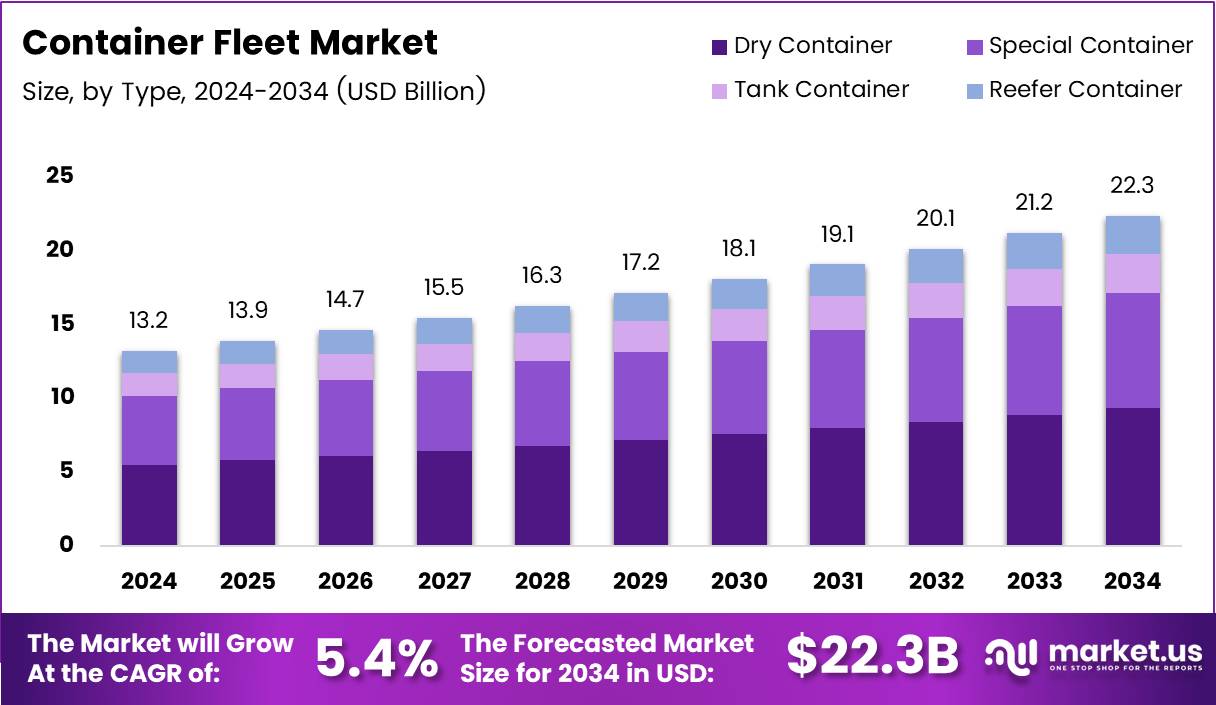
  • Container fleets evolve with AI and real-time tracking tools

    Hidden behind the gleaming facades of consumer brands and retail aisles lies an unassuming hero: the container fleet. These steel giants, standardized in size but versatile in function, crisscross oceans, railways and highways, forming the unsung circulatory system of modern commerce.

    For more info visit : https://market.us/report/global-container-fleet-market/
    Container fleets evolve with AI and real-time tracking tools Hidden behind the gleaming facades of consumer brands and retail aisles lies an unassuming hero: the container fleet. These steel giants, standardized in size but versatile in function, crisscross oceans, railways and highways, forming the unsung circulatory system of modern commerce. For more info visit : https://market.us/report/global-container-fleet-market/
    MARKET.US
    Container Fleet Market
    Container Fleet Market size is expected to be around USD 22.3 Billion by 2034, from USD 13.2 Billion in 2024, growing at a CAGR of 5.4%.
    0 Commenti 0 Condivisioni 872 Visualizzazioni
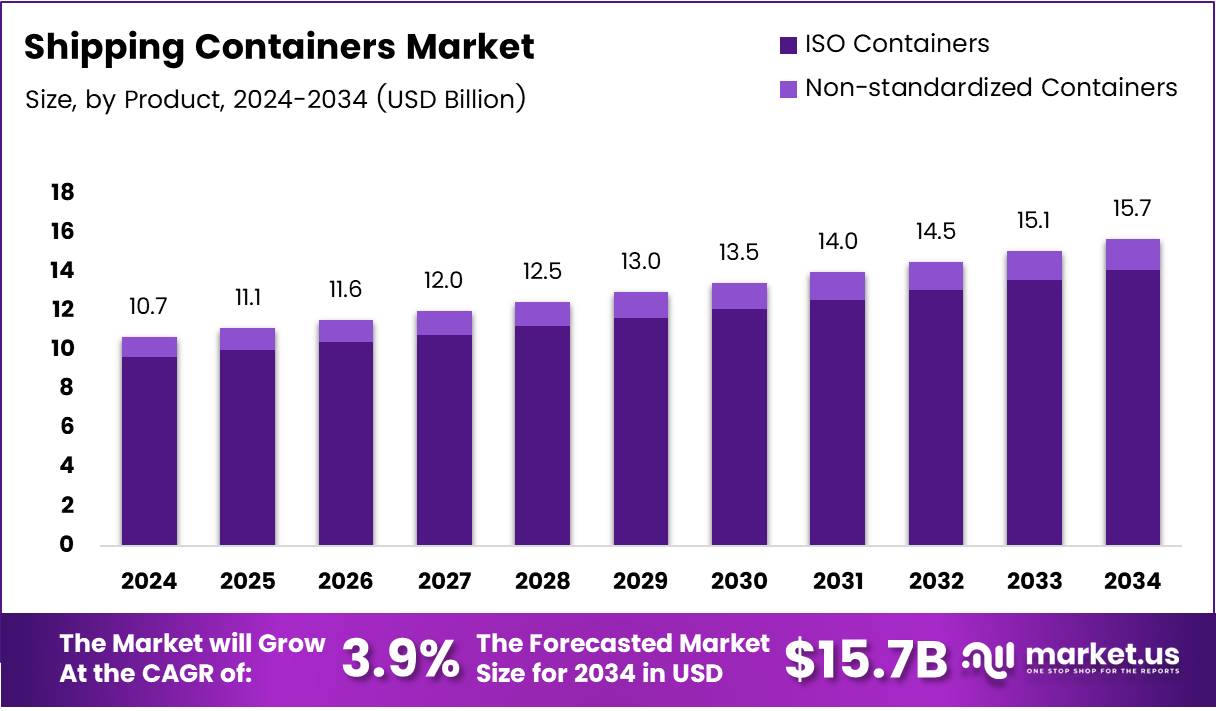
  • How Recycled Containers Power the Circular Economy

    Shipping containers are the silent colossi of global commerce—stoic, uniform, and endlessly functional. These corrugated steel boxes hold the very rhythm of globalization within their metallic bones. Every port, from Shanghai to Rotterdam, is animated by their motion. While they may appear mundane to the untrained eye, shipping containers are in fact linchpins of the modern logistics ecosystem.

    For more info visit : https://market.us/report/global-shipping-containers-market/
    How Recycled Containers Power the Circular Economy Shipping containers are the silent colossi of global commerce—stoic, uniform, and endlessly functional. These corrugated steel boxes hold the very rhythm of globalization within their metallic bones. Every port, from Shanghai to Rotterdam, is animated by their motion. While they may appear mundane to the untrained eye, shipping containers are in fact linchpins of the modern logistics ecosystem. For more info visit : https://market.us/report/global-shipping-containers-market/
    MARKET.US
    Shipping Containers Market
    Shipping Containers Market size is expected to be worth around USD 15.7 Billion by 2034, from USD 10.7 Billion in 2024, at a CAGR of 3.9%
    0 Commenti 0 Condivisioni 2K Visualizzazioni
  • Market Overview:

    Titanium Dioxide (TiO₂) is one of the most widely used white pigments globally. Its versatility spans various applications, from coatings and paints to cosmetics, plastics, and paper products. TiO₂ owes its popularity to its excellent properties, such as high refractive index, durability, and opacity, making it an essential ingredient for industries seeking enhanced brightness and opacity. Over recent years, the TiO₂ market has experienced substantial growth, driven by demand across multiple sectors, including automotive, construction, and consumer goods.

    The global TiO₂ market has witnessed a steady increase in consumption, with projections indicating that this trend will continue into the future. According to recent market reports, the titanium dioxide market is poised for significant expansion, driven by key factors such as urbanization, increasing industrial activities, and the growing demand for paints and coatings.

    The global titanium dioxide (TiO2) market size is expected to reach USD 34.47 billion by 2032, according to a new study by Polaris Market Research

    Key Market Growth Drivers:

    Rising Demand for Paints and Coatings: One of the primary drivers of the TiO₂ market is the robust demand for paints and coatings. Titanium dioxide is a crucial component in the formulation of paints due to its superior whiteness, opacity, and UV protection properties. As the construction industry continues to expand, especially in emerging markets, the demand for TiO₂ in architectural coatings is also on the rise. Additionally, automotive and industrial coatings are increasingly using TiO₂ to enhance the appearance and durability of vehicles and machinery.

    Booming Cosmetics and Personal Care Industry: The cosmetics and personal care sector is another significant growth driver for the TiO₂ market. TiO₂ is used extensively in sunscreen formulations due to its ability to block harmful UV rays. The growing awareness regarding skin care and protection from harmful sun exposure has significantly increased the demand for sunscreen products, which has, in turn, elevated the demand for TiO₂. As a result, key players in the personal care industry continue to explore and expand their use of TiO₂ in products like foundations, concealers, and powders.

    Increased Demand from the Paper Industry: Titanium dioxide is also used in the paper industry for coating and improving the quality of paper products. The growing need for high-quality paper in packaging, printing, and publishing is driving the demand for TiO₂. As the global packaging industry expands, particularly in e-commerce and food sectors, the demand for TiO₂-coated paper continues to rise, contributing to market growth.

    Expanding Applications in Plastics and Rubber Industries: The use of TiO₂ in plastics and rubber manufacturing is another key factor fueling the market's expansion. TiO₂ enhances the color, durability, and weather resistance of various plastic products, including packaging materials, automotive parts, and household items. As the plastics industry grows, especially in packaging and consumer goods, TiO₂ demand is expected to surge.

    Market Challenges:

    While the TiO₂ market is poised for growth, several challenges could impede its expansion:

    Environmental Concerns: The production of titanium dioxide, particularly through the sulfate process, has raised environmental concerns due to the generation of waste materials like iron sulfate and sulfuric acid. The increasing focus on sustainable practices and eco-friendly production methods may force manufacturers to adapt or face regulatory challenges. As environmental regulations tighten globally, the industry must find ways to reduce waste and minimize environmental impact.

    Fluctuating Raw Material Prices: Titanium dioxide is primarily derived from titanium ore, which is subject to price fluctuations based on global supply and demand. The cost of mining titanium and processing it into TiO₂ is influenced by factors such as energy prices, geopolitical tensions, and trade restrictions. Volatile raw material prices can disrupt supply chains and affect profitability for TiO₂ manufacturers, potentially limiting market growth.

    Health and Safety Concerns: Titanium dioxide has been a subject of health and safety concerns, particularly in its nanoparticle form. Inhalation of TiO₂ dust has been associated with respiratory issues, leading to increased scrutiny by health authorities. This has led some regulatory bodies to classify TiO₂ as a possible carcinogen in certain applications, particularly in powdered form. Manufacturers may face challenges in ensuring compliance with health and safety regulations and managing public perception.

    Overcapacity in Production: Overcapacity in TiO₂ production, particularly in certain regions, has led to price pressures in the market. While the demand for TiO₂ continues to rise, excess production capacity can create supply-demand imbalances, causing downward pressure on prices. Manufacturers are under increasing pressure to optimize production efficiency and innovate to maintain profitability amid this challenge.

    𝐄𝐱𝐩𝐥𝐨𝐫𝐞 𝐓𝐡𝐞 𝐂𝐨𝐦𝐩𝐥𝐞𝐭𝐞 𝐂𝐨𝐦𝐩𝐫𝐞𝐡𝐞𝐧𝐬𝐢𝐯𝐞 𝐑𝐞𝐩𝐨𝐫𝐭 𝐇𝐞𝐫𝐞 https://www.polarismarketresearch.com/industry-analysis/titanium-dioxide-tio2-market

    Regional Analysis:

    The TiO₂ market exhibits regional variations based on demand, production capabilities, and industry growth:

    North America: North America is one of the key markets for titanium dioxide, with the United States being the dominant consumer. The region’s demand is driven by its thriving automotive, construction, and consumer goods sectors. Additionally, the increasing trend toward eco-friendly paints and coatings is bolstering the demand for high-quality TiO₂. The region also benefits from a well-established manufacturing base, which supports the local production and consumption of TiO₂.

    Asia-Pacific: The Asia-Pacific region is projected to experience the highest growth in the TiO₂ market. China, India, and Japan are leading the demand, driven by rapid urbanization, industrialization, and infrastructure development. China, in particular, is a major producer of TiO₂ and consumes a significant portion of global production due to the booming construction, automotive, and manufacturing sectors. The region’s expanding middle class and increasing consumer demand for cosmetics, coatings, and packaging also drive market growth.

    Europe: Europe is another important market for TiO₂, with significant demand emanating from countries like Germany, France, and Italy. The region’s strong automotive and industrial coatings sectors contribute to the overall demand for TiO₂. Additionally, the growing emphasis on environmental sustainability is driving innovation in the TiO₂ production process. The European market is also witnessing a rise in demand for TiO₂ in cosmetics and personal care products, driven by consumer preference for safe and effective sun protection.

    Latin America and Middle East & Africa: While the TiO₂ market in Latin America and the Middle East & Africa is comparatively smaller, these regions are expected to grow steadily in the coming years. The demand for TiO₂ is primarily driven by the construction and packaging industries. As these regions experience economic growth and infrastructure development, the need for high-quality coatings and packaging materials is set to increase, contributing to market growth.

    Key Companies:

    Several global companies play a pivotal role in the production and distribution of TiO₂. Some of the key players in the market include:

    Chemours Company: A leading global producer of titanium dioxide, Chemours offers a broad range of TiO₂ products for applications in coatings, plastics, and industrial materials. The company’s innovations in sustainable production processes have strengthened its position in the market.

    Tronox Limited: Tronox is another major player in the TiO₂ market, offering a diverse portfolio of high-performance TiO₂ pigments. The company is known for its expertise in both the chloride and sulfate production processes.

    Lomon Billions Group: Headquartered in China, Lomon Billions is one of the largest producers of titanium dioxide in the world. The company serves various industries, including coatings, plastics, and paper, and has a strong presence in the Asia-Pacific region.

    Kronos Worldwide Inc.: A prominent player in the TiO₂ market, Kronos Worldwide focuses on high-quality titanium dioxide production for various applications, including paints, coatings, and cosmetics. The company has manufacturing plants in Europe and North America.

    Ineos Group: Known for its wide range of industrial chemicals, Ineos Group also manufactures TiO₂ for various applications, particularly in coatings and plastics. The company’s innovation and sustainable production practices continue to strengthen its foothold in the global market.

    Conclusion:

    The Titanium Dioxide (TiO₂) market is poised for steady growth, driven by demand from key sectors such as paints and coatings, cosmetics, and paper production. However, the market faces challenges, including environmental concerns, raw material price fluctuations, and health-related issues. Despite these challenges, regional growth, particularly in Asia-Pacific, and ongoing advancements in production technologies offer significant opportunities for market expansion. Key players in the industry, including Chemours, Tronox, and Lomon Billions, continue to innovate and expand their product offerings to meet the evolving needs of diverse industries. As the demand for high-performance, eco-friendly TiO₂ products increases, the market is expected to maintain its upward trajectory in the coming years.

    More Trending Latest Reports By Polaris Market Research:

    Buy Now Pay Later Market

    Virtual Reality (Vr) In Gaming Market

    Biotechnology Market

    Ambient Intelligence Market

    Collaborative Robot Market

    Veterinary Sterilization Container Market

    Bluetooth 5.0 Market

    Gaming Peripherals Market

    Cold Chain Monitoring Market
    Market Overview: Titanium Dioxide (TiO₂) is one of the most widely used white pigments globally. Its versatility spans various applications, from coatings and paints to cosmetics, plastics, and paper products. TiO₂ owes its popularity to its excellent properties, such as high refractive index, durability, and opacity, making it an essential ingredient for industries seeking enhanced brightness and opacity. Over recent years, the TiO₂ market has experienced substantial growth, driven by demand across multiple sectors, including automotive, construction, and consumer goods. The global TiO₂ market has witnessed a steady increase in consumption, with projections indicating that this trend will continue into the future. According to recent market reports, the titanium dioxide market is poised for significant expansion, driven by key factors such as urbanization, increasing industrial activities, and the growing demand for paints and coatings. The global titanium dioxide (TiO2) market size is expected to reach USD 34.47 billion by 2032, according to a new study by Polaris Market Research Key Market Growth Drivers: Rising Demand for Paints and Coatings: One of the primary drivers of the TiO₂ market is the robust demand for paints and coatings. Titanium dioxide is a crucial component in the formulation of paints due to its superior whiteness, opacity, and UV protection properties. As the construction industry continues to expand, especially in emerging markets, the demand for TiO₂ in architectural coatings is also on the rise. Additionally, automotive and industrial coatings are increasingly using TiO₂ to enhance the appearance and durability of vehicles and machinery. Booming Cosmetics and Personal Care Industry: The cosmetics and personal care sector is another significant growth driver for the TiO₂ market. TiO₂ is used extensively in sunscreen formulations due to its ability to block harmful UV rays. The growing awareness regarding skin care and protection from harmful sun exposure has significantly increased the demand for sunscreen products, which has, in turn, elevated the demand for TiO₂. As a result, key players in the personal care industry continue to explore and expand their use of TiO₂ in products like foundations, concealers, and powders. Increased Demand from the Paper Industry: Titanium dioxide is also used in the paper industry for coating and improving the quality of paper products. The growing need for high-quality paper in packaging, printing, and publishing is driving the demand for TiO₂. As the global packaging industry expands, particularly in e-commerce and food sectors, the demand for TiO₂-coated paper continues to rise, contributing to market growth. Expanding Applications in Plastics and Rubber Industries: The use of TiO₂ in plastics and rubber manufacturing is another key factor fueling the market's expansion. TiO₂ enhances the color, durability, and weather resistance of various plastic products, including packaging materials, automotive parts, and household items. As the plastics industry grows, especially in packaging and consumer goods, TiO₂ demand is expected to surge. Market Challenges: While the TiO₂ market is poised for growth, several challenges could impede its expansion: Environmental Concerns: The production of titanium dioxide, particularly through the sulfate process, has raised environmental concerns due to the generation of waste materials like iron sulfate and sulfuric acid. The increasing focus on sustainable practices and eco-friendly production methods may force manufacturers to adapt or face regulatory challenges. As environmental regulations tighten globally, the industry must find ways to reduce waste and minimize environmental impact. Fluctuating Raw Material Prices: Titanium dioxide is primarily derived from titanium ore, which is subject to price fluctuations based on global supply and demand. The cost of mining titanium and processing it into TiO₂ is influenced by factors such as energy prices, geopolitical tensions, and trade restrictions. Volatile raw material prices can disrupt supply chains and affect profitability for TiO₂ manufacturers, potentially limiting market growth. Health and Safety Concerns: Titanium dioxide has been a subject of health and safety concerns, particularly in its nanoparticle form. Inhalation of TiO₂ dust has been associated with respiratory issues, leading to increased scrutiny by health authorities. This has led some regulatory bodies to classify TiO₂ as a possible carcinogen in certain applications, particularly in powdered form. Manufacturers may face challenges in ensuring compliance with health and safety regulations and managing public perception. Overcapacity in Production: Overcapacity in TiO₂ production, particularly in certain regions, has led to price pressures in the market. While the demand for TiO₂ continues to rise, excess production capacity can create supply-demand imbalances, causing downward pressure on prices. Manufacturers are under increasing pressure to optimize production efficiency and innovate to maintain profitability amid this challenge. 𝐄𝐱𝐩𝐥𝐨𝐫𝐞 𝐓𝐡𝐞 𝐂𝐨𝐦𝐩𝐥𝐞𝐭𝐞 𝐂𝐨𝐦𝐩𝐫𝐞𝐡𝐞𝐧𝐬𝐢𝐯𝐞 𝐑𝐞𝐩𝐨𝐫𝐭 𝐇𝐞𝐫𝐞 https://www.polarismarketresearch.com/industry-analysis/titanium-dioxide-tio2-market Regional Analysis: The TiO₂ market exhibits regional variations based on demand, production capabilities, and industry growth: North America: North America is one of the key markets for titanium dioxide, with the United States being the dominant consumer. The region’s demand is driven by its thriving automotive, construction, and consumer goods sectors. Additionally, the increasing trend toward eco-friendly paints and coatings is bolstering the demand for high-quality TiO₂. The region also benefits from a well-established manufacturing base, which supports the local production and consumption of TiO₂. Asia-Pacific: The Asia-Pacific region is projected to experience the highest growth in the TiO₂ market. China, India, and Japan are leading the demand, driven by rapid urbanization, industrialization, and infrastructure development. China, in particular, is a major producer of TiO₂ and consumes a significant portion of global production due to the booming construction, automotive, and manufacturing sectors. The region’s expanding middle class and increasing consumer demand for cosmetics, coatings, and packaging also drive market growth. Europe: Europe is another important market for TiO₂, with significant demand emanating from countries like Germany, France, and Italy. The region’s strong automotive and industrial coatings sectors contribute to the overall demand for TiO₂. Additionally, the growing emphasis on environmental sustainability is driving innovation in the TiO₂ production process. The European market is also witnessing a rise in demand for TiO₂ in cosmetics and personal care products, driven by consumer preference for safe and effective sun protection. Latin America and Middle East & Africa: While the TiO₂ market in Latin America and the Middle East & Africa is comparatively smaller, these regions are expected to grow steadily in the coming years. The demand for TiO₂ is primarily driven by the construction and packaging industries. As these regions experience economic growth and infrastructure development, the need for high-quality coatings and packaging materials is set to increase, contributing to market growth. Key Companies: Several global companies play a pivotal role in the production and distribution of TiO₂. Some of the key players in the market include: Chemours Company: A leading global producer of titanium dioxide, Chemours offers a broad range of TiO₂ products for applications in coatings, plastics, and industrial materials. The company’s innovations in sustainable production processes have strengthened its position in the market. Tronox Limited: Tronox is another major player in the TiO₂ market, offering a diverse portfolio of high-performance TiO₂ pigments. The company is known for its expertise in both the chloride and sulfate production processes. Lomon Billions Group: Headquartered in China, Lomon Billions is one of the largest producers of titanium dioxide in the world. The company serves various industries, including coatings, plastics, and paper, and has a strong presence in the Asia-Pacific region. Kronos Worldwide Inc.: A prominent player in the TiO₂ market, Kronos Worldwide focuses on high-quality titanium dioxide production for various applications, including paints, coatings, and cosmetics. The company has manufacturing plants in Europe and North America. Ineos Group: Known for its wide range of industrial chemicals, Ineos Group also manufactures TiO₂ for various applications, particularly in coatings and plastics. The company’s innovation and sustainable production practices continue to strengthen its foothold in the global market. Conclusion: The Titanium Dioxide (TiO₂) market is poised for steady growth, driven by demand from key sectors such as paints and coatings, cosmetics, and paper production. However, the market faces challenges, including environmental concerns, raw material price fluctuations, and health-related issues. Despite these challenges, regional growth, particularly in Asia-Pacific, and ongoing advancements in production technologies offer significant opportunities for market expansion. Key players in the industry, including Chemours, Tronox, and Lomon Billions, continue to innovate and expand their product offerings to meet the evolving needs of diverse industries. As the demand for high-performance, eco-friendly TiO₂ products increases, the market is expected to maintain its upward trajectory in the coming years. More Trending Latest Reports By Polaris Market Research: Buy Now Pay Later Market Virtual Reality (Vr) In Gaming Market Biotechnology Market Ambient Intelligence Market Collaborative Robot Market Veterinary Sterilization Container Market Bluetooth 5.0 Market Gaming Peripherals Market Cold Chain Monitoring Market
    WWW.POLARISMARKETRESEARCH.COM
    Titanium Dioxide Market | Global Industry Report, 2032
    Global Titanium Dioxide (TiO2) Market size and share are expected to exceed USD 34.47 billion with a compound annual growth rate CAGR of 5.80% during the forecast period by 2032.
    0 Commenti 0 Condivisioni 15K Visualizzazioni
Altri risultati