


A thermal valve actuator plays a crucial role
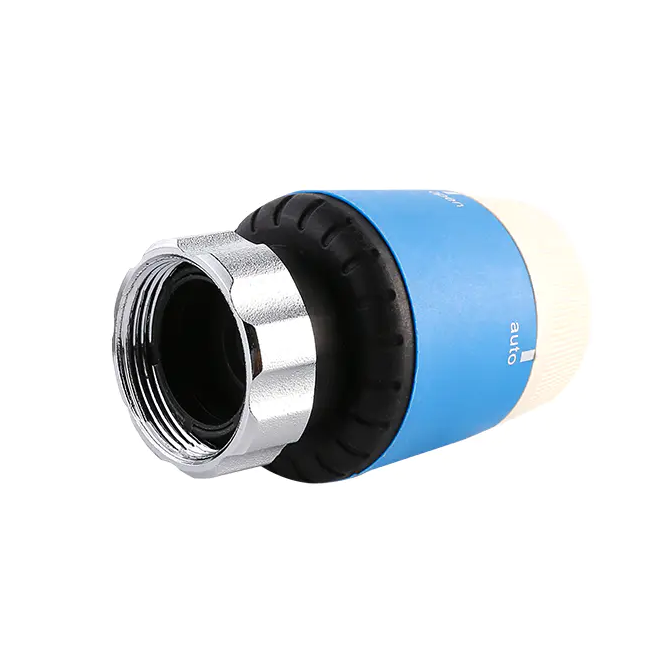
In many heating, ventilation, and air conditioning (HVAC) systems, as well as in various industrial processes, temperature regulation is a critical factor. One component that plays a crucial role in this process is the thermal valve actuator. This device helps control the flow of fluids or gases within a system, ensuring that temperatures stay within the desired range. Whether in a home heating system or an industrial machine, understanding the function and benefits of thermal valve actuators can help improve system efficiency and performance.
A thermal valve actuator is a mechanical device used to control a valve’s position based on changes in temperature. The actuator is typically attached to a valve that regulates the flow of hot or cold liquids, gases, or steam within a system. The actuator responds to temperature fluctuations by adjusting the valve to either open or close to maintain the optimal temperature level.
These actuators are often powered by a temperature-sensitive material that changes its state in response to heat, such as a wax pellet, bimetallic strip, or liquid-filled capsule. When the temperature reaches a certain threshold, the actuator uses this material to move the valve, either restricting or allowing the flow of fluid through the system.
Thermal valve actuators rely on a simple but effective mechanism: a temperature-sensitive material that expands or contracts in response to temperature changes. This change in state moves the valve, which can be used to control the flow of heating or cooling agents. For example, in a home heating system, if the room temperature rises above the set level, the thermal valve actuator will close the valve to prevent further heating. Conversely, if the temperature falls below the desired level, the actuator will open the valve to allow more heat into the room.
This automatic regulation ensures that systems maintain stable conditions without the need for manual intervention, making thermal valve actuators highly efficient and reliable for temperature control.
Thermal valve actuators are widely used in various applications where temperature regulation is crucial. Some of the most common uses include:
HVAC Systems: In both residential and commercial heating and cooling systems, thermal valve actuators help control the flow of hot water or steam through radiators or underfloor heating systems. By adjusting the flow, they ensure that rooms are kept at the desired temperature without excessive energy use.
Automotive Systems: In automotive engineering, thermal valve actuators are used to control the flow of coolant in an engine. They help regulate engine temperature, ensuring the engine runs at optimal levels and avoids overheating.
Industrial Applications: In industrial processes, thermal valve actuators can control the flow of various fluids or gases in systems that require precise temperature control, such as in chemical manufacturing or power generation.
Water Systems: In residential and commercial plumbing, thermal valve actuators are used to regulate hot water flow, ensuring that temperatures in showers, faucets, and radiators stay within safe and comfortable ranges.
Energy Efficiency
By automatically adjusting the flow of fluids based on temperature changes, thermal valve actuators help reduce energy consumption. Systems can operate more efficiently, ensuring that heat or cooling is used only when necessary, which can lead to lower utility bills and reduced environmental impact.
Cost-Effective
Thermal valve actuators are generally simple in design and easy to install, making them a cost-effective solution for temperature control. Their mechanical nature also means they require minimal maintenance, providing long-term value with minimal upkeep costs.
Automatic Control
One of the key advantages of thermal valve actuators is that they provide automatic control without the need for constant manual adjustments. This makes them particularly useful in applications where precise temperature regulation is essential but where continuous human monitoring is not feasible.
Reliability
Since thermal valve actuators are primarily mechanical, they tend to be highly reliable. The absence of complex electronics or electrical components means they are less prone to failure and can continue to perform well in demanding environments.
 Italiano
 English
 Arabic
 French
 Spanish
 Portuguese
 Deutsch
 Turkish
 Dutch
Dutch
 Russian
 Romaian
 Portuguese (Brazil)
 Greek
Greek