


A Comprehensive Guide to Knowing the Workings of an Oil Well
Beneath the Earth's surface, a complex system of components collaborates to create the essential structure of an oil well, a vital source of energy that powers our modern world. The intricate processes involved in extracting oil from the Earth are nothing short of remarkable. This article explores the workings of an oil well, examining its fundamental components and the detailed processes that drive its functionality.
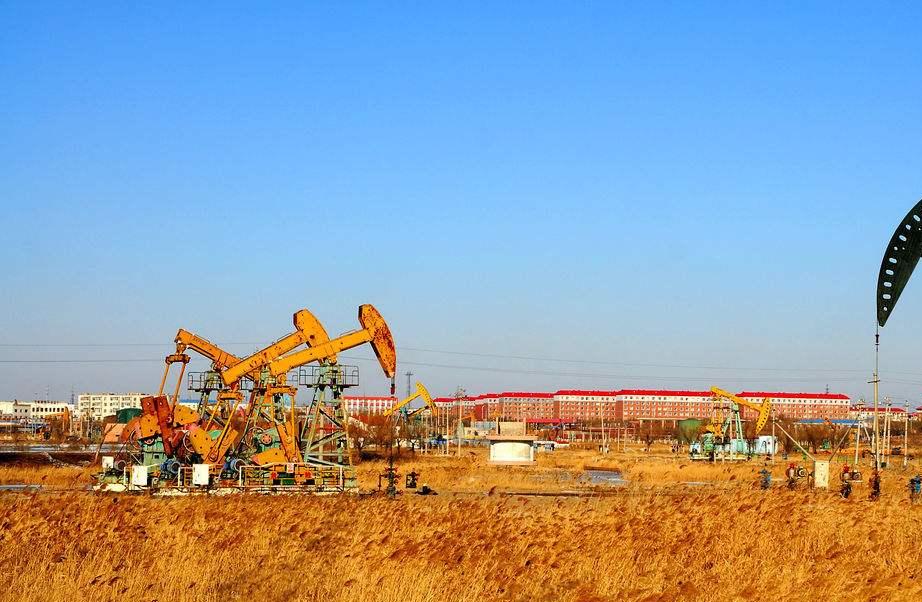
Fundamental Components of an Oil Well:
Wellhead:
Description: The topmost portion serving as the fluid's entry and exit point, consisting of valves, fittings, and equipment regulating oil, gas, and fluid flow.
Casing:
Description: A network of steel pipes lining the wellbore for structural integrity, preventing collapse, and isolating distinct formations.
Cementing:
Description: The injection of cement between casing and wellbore to form a barrier, preventing fluid migration and stabilizing the well.
Tubing:
Description: A smaller pipe inside the casing allowing oil and gas movement, also housing industrial instruments like sensors and control devices.
Christmas Tree:
Description: A collection of valves and fittings regulating fluid flow, including production and injection valves, chokes, and pressure gauges.
Pumping Units:
Description: Devices like beam pumps or submersible pumps used for artificial lift methods to boost oil and gas flow.
Production Tubing:
Description: The conduit for oil and gas from reservoir to surface, typically made of corrosion-resistant materials.
Perforations:
Description: Punctures in casing and cement allowing oil and gas flow into the wellbore, often created with perforating guns.
Reservoir:
Description: The underground rock formation holding oil and gas, composed of porous and permeable rocks.
Reservoir Fluids:
Description: Oil, natural gas, and water existing in various proportions within the reservoir and extracted during production.
Wellbore:
Description: The hole bored into the ground during drilling, serving as a conduit for fluids from the reservoir to the surface.
Bottomhole Assembly (BHA):
Description: Instruments, sensors, and gadgets at the drillstring's bottom for reservoir information, drilling control, and downhole activities.
Blowout Preventer (BOP):
Description: A safety device blocking the wellbore in case of a blowout, crucial for accident prevention and well integrity.
Detailed Working Process of an Oil Well:
Exploration and Site Selection:
Geologists and engineers use seismic surveys, mapping, and technology to locate potential oil reserves. The well's location is chosen based on geological data.
Drilling:
A drilling rig with a revolving drill bit is used to dig a hole, supported by steel casing.
Drilling mud is used to cool the drill bit and transport rock fragments.
Well Completion:
Wellheads, valves, and casing are placed to ensure a safe extraction environment. Cementing is done to form a barrier between the well and surrounding rocks.
Extraction:
Oil naturally rises through porous rock formations due to reservoir pressure. Artificial means may be used to improve oil recovery if reservoir pressure is insufficient.
Primary Recovery:
Natural reservoir pressure forces oil to the surface during this phase, which can last a long time but gradually slows down as pressure declines.
Secondary Recovery:
Water or gas is injected into the reservoir to drive residual oil into the wellbore, preserving reservoir pressure and increasing recovery rates.
Tertiary Recovery (Enhanced Oil Recovery):
Advanced processes, such as chemical, steam, or CO2 injection into the reservoir, are used to extract difficult-to-reach oil.
Production and Processing:
Extracted oil is pumped to the surface, processed to remove contaminants, and transferred to storage tanks or processing plants.
Transport and Distribution:
Processed oil is transferred to refineries via pipelines, tankers, or vehicles for refining into various petroleum products.
Maintenance and Monitoring:
Continuous maintenance and monitoring ensure safe and effective operations, including inspections, well tests, and compliance with environmental rules.
Choosing Well Intervention Simulators for Efficiency Improvement:
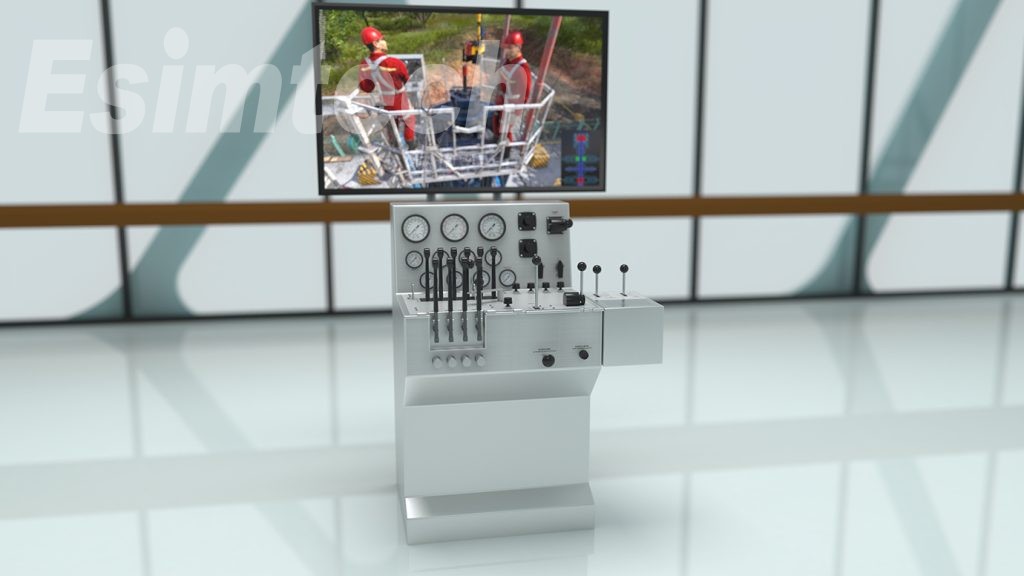
Well intervention simulators are specialized software or physical models simulating various well intervention procedures during an oil well's lifecycle. Operations like wireline, coiled tubing, hydraulic workover, snubbing, and fishing can be replicated.
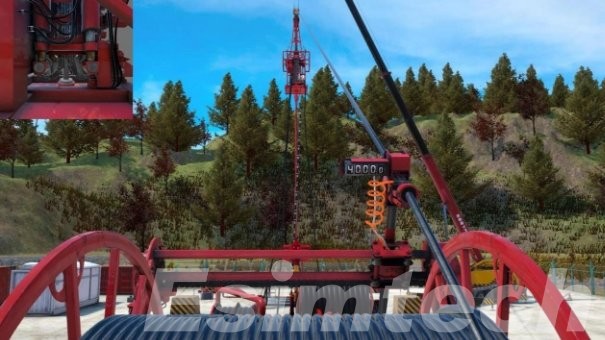
Advantages of Well Intervention Simulators:
Minimize accident risk
Improve operation efficiency
Enhance the quality of well intervention operations
Optimize operations by identifying potential difficulties and analyzing intervention options before implementation.
Conclusion:
From exploration to extraction, the intricate journey of an oil well stands as a testament to human ingenuity and technical innovation. Oil wells play a crucial role in meeting global energy demands, shaping economies, and fostering growth. Understanding the workings of an oil well offers insight into the complex mechanisms powering our modern world, underscoring the importance of responsible extraction and environmental management.
 Portuguese
 English
 Arabic
 French
 Spanish
 Deutsch
 Turkish
 Dutch
Dutch
 Italiano
 Russian
 Romaian
 Portuguese (Brazil)
 Greek
Greek