


Can a Coin Microscope Transform the Way You Examine Coins?
For collectors and numismatists, the value of a coin is often hidden in the finest details. Subtle engravings, mint marks, and minute imperfections can determine authenticity and worth, yet these features are often invisible to the naked eye. A coin microscope provides the clarity and magnification necessary to reveal these hidden aspects, making it an essential tool for hobbyists, professional graders, and researchers alike. By combining high-resolution optics with precise lighting, coin microscopes allow users to explore every surface with unparalleled accuracy, ensuring both thorough examination and long-term preservation of valuable collections.
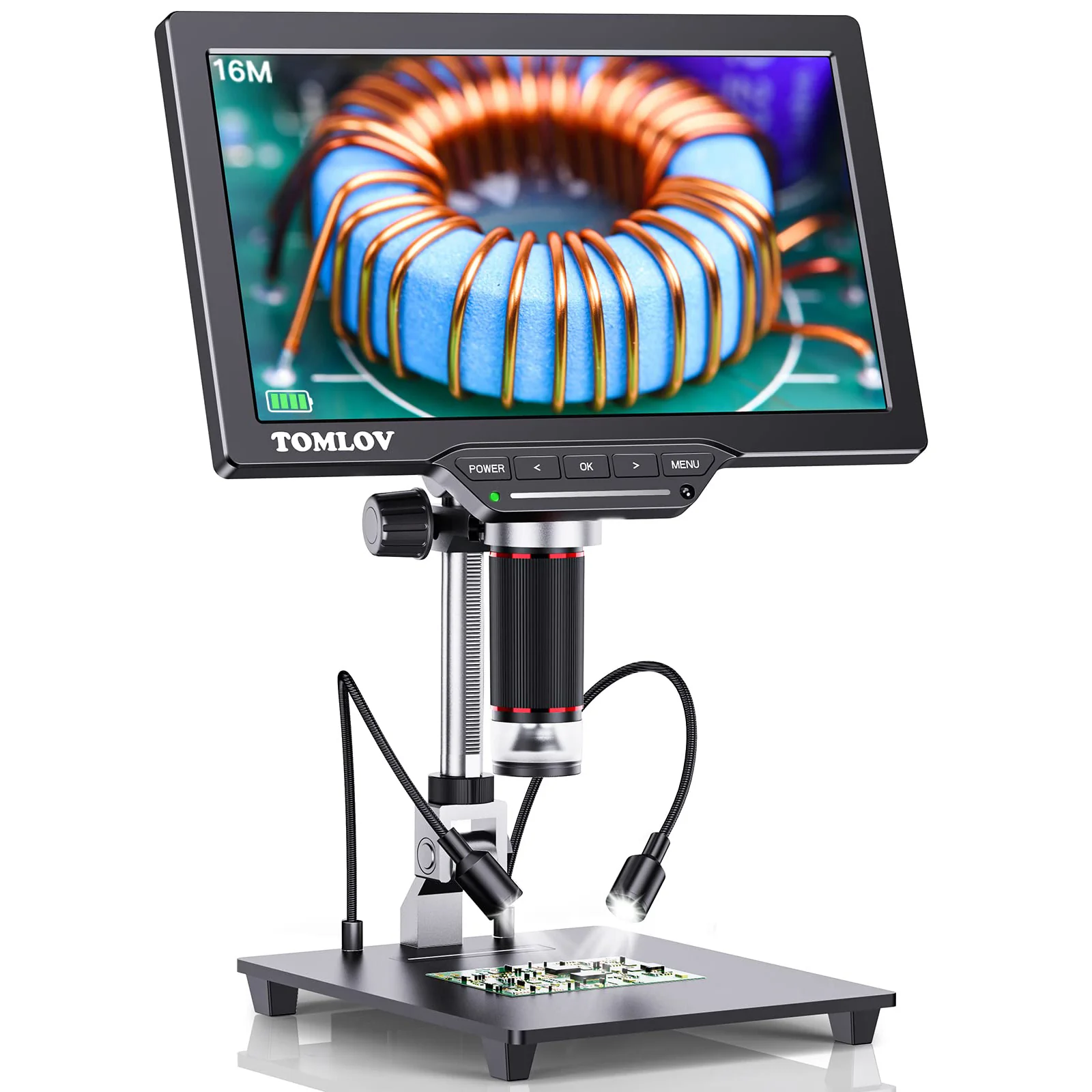
Can a Coin Microscope Enhance Numismatic Study?
A coin microscope offers more than simple magnification; it provides the ability to observe coins in exceptional detail. Collectors often struggle with traditional magnifying glasses or handheld lenses, which can distort perspective or fail to reveal subtle marks. In contrast, coin microscopes allow for controlled focus and uniform lighting, highlighting minute surface features such as micro-scratches, die cracks, and edge lettering that contribute to a coin’s grade and historical significance.
This precision is especially important for professional grading or authentication. For rare coins, a single unnoticed flaw or imperfection can dramatically affect value. With a coin microscope, collectors can confidently distinguish between genuine coins and counterfeits, analyze wear patterns, and detect signs of restoration or damage. In addition, the ability to closely examine coins helps enthusiasts appreciate the artistry and craftsmanship of minting, deepening their understanding of historical and modern coinage.
Can a Coin Microscope Improve Documentation and Sharing?
Modern coin microscopes frequently incorporate digital technology, enabling users to capture high-resolution images and videos of coins. This digital capability is invaluable for cataloging collections, sharing findings with fellow collectors, or submitting images to grading services and auction houses. Digital imaging ensures that coins can be studied remotely, analyzed in detail, and compared over time without repeated handling, reducing the risk of physical damage.
Advanced software often allows for measurements, annotations, and image enhancement. These features are particularly useful for professional collectors or numismatic organizations that require precise documentation for evaluation, research, or publication. By combining optical clarity with digital tools, coin microscopes not only enhance observation but also streamline the workflow of documentation and collaboration in the numismatic community.
Can a Coin Microscope Support Education and Research?
Beyond personal collections, coin microscopes serve an important role in education and scholarly research. Universities, museums, and numismatic societies use these microscopes to examine rare and ancient coins, studying their composition, minting techniques, and historical context. Detailed observation allows researchers to uncover subtle clues about circulation patterns, metal composition, and production errors that reveal important information about historical economies and cultures.
Educational institutions also benefit from coin microscopes by providing students with hands-on learning experiences. Students studying history, economics, or material sciences can closely inspect coins, understanding both their physical properties and cultural significance. By enabling interactive and precise examination, coin microscopes foster a deeper appreciation for numismatics while supporting professional training in coin authentication and preservation techniques.
Can Investing in a Coin Microscope Benefit Collectors Long-Term?
Investing in a coin microscope is more than purchasing a magnification tool; it is a commitment to accuracy, preservation, and professional-grade observation. For collectors, the ability to identify flaws, assess authenticity, and evaluate coin conditions ensures the integrity and value of their collections. For dealers, coin microscopes provide a competitive edge in grading, verifying, and presenting coins with confidence.
Regular use of a coin microscope also supports long-term preservation. By reducing unnecessary handling and providing early detection of tarnish or corrosion, collectors can take preventive measures to maintain the coin’s condition. Ultimately, the coin microscope protects both financial and historical value, allowing enthusiasts and professionals to study, enjoy, and preserve coins with clarity, precision, and confidence for years to come.
Conclusion
A coin microscope is an essential tool for collectors, researchers, and educators who seek to explore coins with unmatched clarity and precision. By providing high-quality magnification, digital imaging, and versatile examination capabilities, it enhances numismatic study, improves documentation, and supports education and research. Investing in a coin microscope ensures accurate evaluation, long-term preservation, and a deeper understanding of coinage, empowering collectors and professionals to unlock the hidden details that define the value and beauty of every coin.
 Italiano
 English
 Arabic
 French
 Spanish
 Portuguese
 Deutsch
 Turkish
 Dutch
Dutch
 Russian
 Romaian
 Portuguese (Brazil)
 Greek
Greek