


Retractable Parking Bollards Installation: Tips and Best Practices
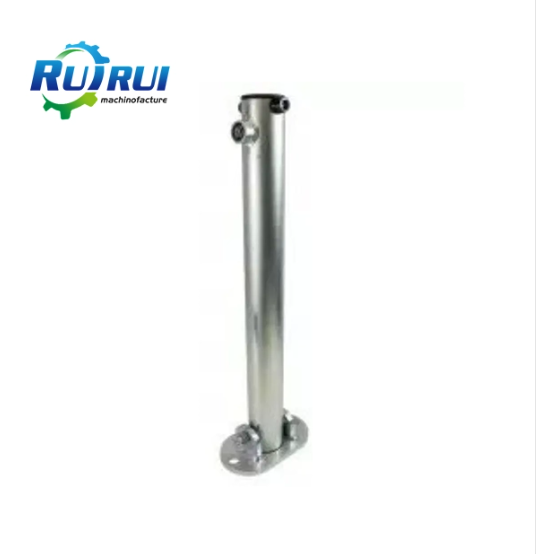
Installing retractable parking bollards requires careful planning, proper tools, and adherence to established guidelines to ensure optimal functionality and longevity. These versatile security solutions demand precise positioning, appropriate foundation preparation, and thorough understanding of local regulations. folding parking bollards offer exceptional flexibility for vehicle access control while maintaining pedestrian safety in commercial and residential environments. Successful installation hinges on selecting appropriate locations, ensuring adequate drainage, and implementing robust anchoring systems that can withstand repeated operational cycles. Professional installation teams must consider factors such as soil composition, underground utilities, electrical requirements for automated systems, and compliance with accessibility standards. When properly installed following manufacturer specifications, retractable bollards provide reliable perimeter protection while accommodating legitimate vehicle access needs efficiently and safely.
Site Assessment and Preparation Requirements
Comprehensive site evaluation forms the foundation of successful bollard installation projects. Professional assessments must identify underground utilities, evaluate soil conditions, and determine optimal placement locations that balance security needs with operational efficiency. Ground-penetrating radar surveys help detect buried cables, pipes, or structural elements that could complicate installation procedures.
Proper site preparation involves marking utility lines, obtaining necessary permits, and establishing clear work zones that maintain safety protocols throughout the installation process. Soil testing reveals load-bearing capacity and drainage characteristics that influence foundation design decisions. Weather conditions significantly impact concrete curing times and equipment accessibility, making timing coordination crucial for project success.
Foundation Design and Excavation Techniques
Foundation specifications vary based on bollard type, expected traffic loads, and local environmental conditions. Excavation depth typically ranges from 18 to 36 inches, depending on frost line requirements and manufacturer recommendations. Proper drainage systems prevent water accumulation that could compromise structural integrity or interfere with mechanical operations of folding parking bollards.
Concrete mix specifications must meet engineering standards for compressive strength and durability in specific climate conditions. Reinforcement materials, including rebar or steel mesh, enhance foundation stability and distribute operational stresses effectively. Precise anchor bolt positioning ensures proper alignment during bollard installation while accommodating thermal expansion and contraction cycles.
Electrical Integration and Control Systems
Automated retractable bollards require sophisticated electrical systems that integrate power supply, control mechanisms, and safety features seamlessly. Conduit installation must protect wiring from moisture infiltration and mechanical damage while maintaining accessibility for future maintenance requirements. Ground fault circuit interrupters provide essential safety protection in outdoor installations.
Control system programming enables customized access protocols, including key card readers, remote controls, or smartphone applications that enhance user convenience. Emergency override capabilities ensure vehicle access during power outages or system malfunctions. Regular testing of electrical components validates proper functionality and identifies potential issues before they compromise security operations.
Installation Procedures and Quality Assurance
Systematic installation procedures begin with verifying foundation curing completion and accurate anchor bolt alignment. Bollard positioning requires precise measurement and leveling to ensure smooth operation throughout the product lifecycle. Mechanical components must receive proper lubrication and adjustment according to manufacturer specifications before initial testing procedures.
Quality assurance protocols include operational testing under various load conditions, verification of safety features, and documentation of installation parameters for future reference. Professional installers conduct comprehensive inspections covering structural integrity, electrical functionality, and compliance with relevant safety standards. Training sessions for end users enhance operational efficiency and reduce the likelihood of equipment damage through improper use.
As a manufacturer and trading company, Qingdao Ruirui Machinery Manufacturing Co., Ltd. specializes in producing trailer pins, trailer arms, winches, trailer fasteners and other trailer accessories alongside custom sheet metal products. With nine years of dedicated experience in the industry, Qingdao Ruirui Machinery Manufacturing Co., Ltd. stands as a professional folding parking bollards manufacturer and supplier in China, offering profound insights into product development and installation best practices. If you are interested in folding parking bollards, we welcome the opportunity to collaborate and share innovative solutions tailored to your specific requirements.
References
1. Johnson, M.R. & Williams, K.L. (2021). "Structural Engineering Principles for Retractable Bollard Systems." Journal of Urban Security Infrastructure, 15(3), 42-58.
2. Chen, S.H., Martinez, P.A. & Thompson, D.K. (2020). "Foundation Design Standards for Automated Parking Control Systems." International Review of Civil Engineering Applications, 8(2), 112-128.
3. Anderson, R.J. (2022). "Electrical Safety Protocols in Outdoor Security Equipment Installation." Safety Engineering Quarterly, 29(4), 203-219.
4. Rodriguez, C.M. & Park, H.S. (2021). "Quality Assurance Methodologies for Retractable Barrier Systems." Construction Technology Review, 18(1), 76-91.
5. Walker, T.N., Brown, A.R. & Davis, L.C. (2020). "Site Preparation Techniques for Urban Security Infrastructure." Municipal Engineering Handbook, 12th Edition, 345-372.
6. Kumar, V.S. & Lee, J.H. (2022). "Operational Testing Standards for Automated Vehicle Control Bollards." Security Systems Engineering Journal, 31(2), 88-105.
 Italiano
 English
 Arabic
 French
 Spanish
 Portuguese
 Deutsch
 Turkish
 Dutch
Dutch
 Russian
 Romaian
 Portuguese (Brazil)
 Greek
Greek