A laser cutter machine has become one of the most useful tools in modern fabrication, signage, manufacturing, prototyping, and custom product design. From cutting acrylic for display boards to engraving wood, leather, glass, and metal, this machine delivers speed, precision, and repeatability that manual methods struggle to match. Whether you run a workshop, a small business, or a large production unit, understanding how a laser cutting machine works can help you make a smarter investment and improve output quality.
What Is a Laser Cutter Machine?
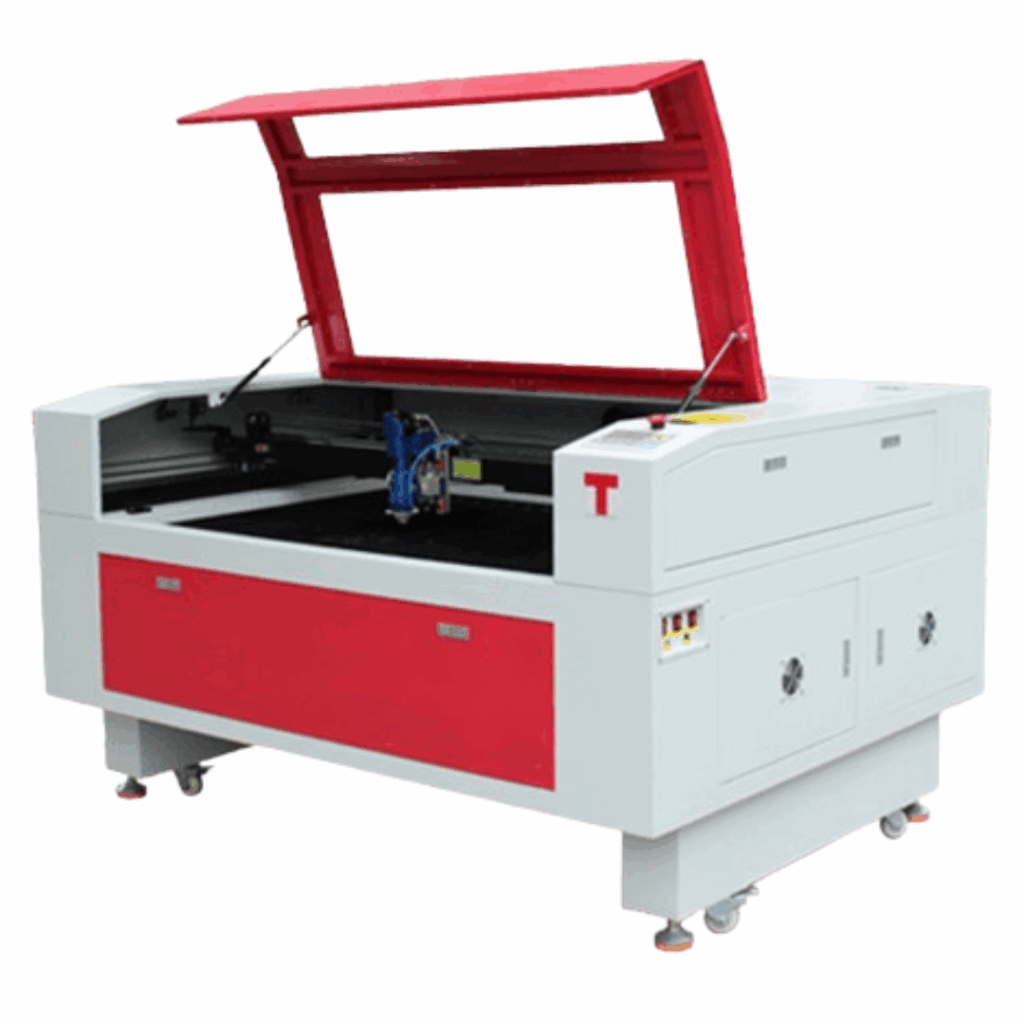
A laser cutter machine is a computer-controlled system that uses a focused laser beam to cut, engrave, mark, or etch materials. The beam generates intense heat at a highly targeted point, which melts, burns, or vaporizes the material along the programmed path. This makes the process accurate, clean, and suitable for detailed designs.
Most laser cutting machines work with software that converts a design into machine instructions. This allows users to create intricate patterns, logos, text, and shapes with very little material waste. That is why laser cutting equipment is widely used in industries where neat finishing and design flexibility matter.
How a Laser Cutting Machine Works
The working process starts with a digital design file, usually created in software like CorelDRAW, AutoCAD, Adobe Illustrator, or other CAD tools. The machine reads that file and moves the laser head along the defined path. A focused beam hits the material surface and cuts or engraves it based on power, speed, and frequency settings.
The final result depends on a few things: the laser source, lens quality, machine stability, material type, and operator settings. A wood laser cutter machine, for example, needs different settings than a metal laser cutting machine. Acrylic often requires polished edges, while fabric needs low heat exposure to prevent burning. Good setup is what turns a basic cut into a professional finish.
Main Types of Laser Cutter Machines
CO2 Laser Cutter Machine
A CO2 laser cutter machine is one of the most common options in the market. It is widely used for non-metal materials such as acrylic, wood, MDF, leather, rubber, paper, fabric, and glass engraving. This type is popular in advertising, crafts, packaging, gift items, and interior décor work.
CO2 machines are often preferred because they offer strong engraving quality and smooth cuts on organic materials. They are a solid fit for businesses making signage, trophies, invitation cards, custom gifts, nameplates, and decorative pieces.
Fiber Laser Cutting Machine
A fiber laser cutting machine is mainly used for metals. It performs well on stainless steel, carbon steel, aluminium, brass, and copper. These machines are faster than many traditional cutting methods and are known for precision, lower maintenance, and long operational life.
Fiber systems are a strong choice for industrial users dealing with sheet metal fabrication, automobile parts, electrical enclosures, kitchen equipment, machinery parts, and metal signage. If metal cutting is the priority, fiber is often the better option over CO2.
Diode Laser Cutter
Diode laser machines are usually smaller and more affordable. They are often used by hobbyists, small studios, educational users, and light-duty businesses. These machines can engrave wood, leather, coated metals, and some plastics, though their cutting power is usually more limited than CO2 or fiber systems.
They are a good starting point for people entering the laser engraving machine segment, but they may not suit high-volume production or heavy material cutting.
Materials a Laser Cutter Machine Can Handle
The material range depends on machine type and wattage. CO2 laser cutting machines are well suited for acrylic, plywood, MDF, cardboard, paper, leather, rubber, cloth, and some plastics. Fiber laser machines handle various metals with better speed and cleaner edge performance.
Acrylic is one of the most common materials in laser cutting because it gives smooth, polished edges. Wood is another major category, especially for décor, crafts, branding products, and architectural models. Metal is more common in industrial applications where durability and dimensional accuracy are essential.
Some materials should not be used without checking compatibility. PVC and vinyl, for example, can release harmful fumes. That is why proper ventilation, extraction systems, and material safety knowledge are essential before running any laser cutter machine.
Common Uses of a Laser Cutting Machine
Laser cutting is used across many industries because it supports both mass production and custom work. In advertising, it is used for acrylic letters, signboards, display stands, and branded installations. In gifting, it is useful for engraved items, photo frames, trophies, and promotional merchandise.
In manufacturing, laser machines cut metal parts, machine covers, electrical panels, and industrial components. In fashion and crafts, they help create leather tags, textile patterns, wedding décor, jewelry designs, and packaging inserts. For architects and designers, they are ideal for prototypes and scale models because of their sharp detailing.
Benefits of Using a Laser Cutter Machine
One of the biggest advantages is precision. A laser cutter machine can produce clean lines, tight corners, and repeatable cuts that are difficult to achieve manually. This matters when the design includes logos, typography, intricate patterns, or interlocking parts.
Another benefit is speed. Once the design file is ready and settings are optimized, production becomes faster and more consistent. This improves turnaround time for both custom and bulk orders. The process also reduces physical tool wear because the laser beam does not make direct contact in the way blades or mechanical cutters do.
Laser cutting also helps reduce waste. The narrow cutting path means better material utilization, which is especially useful when working with expensive sheets like acrylic, stainless steel, or specialty wood. Over time, that efficiency can support better margins.
Laser Cutter Machine vs CNC Router
A laser cutter machine and a CNC router are often compared because both are used for fabrication. The key difference lies in how they process the material. A laser uses heat and light to cut or engrave, while a CNC router uses a physical cutting tool.
Laser cutting is better for fine detail, faster engraving, and smooth work on acrylic, leather, paper, and thin wood. CNC routers are better when deep carving, thicker boards, or 3D shaping is needed. If the work is mostly signage, customized products, engraving, and sheet-based precision cutting, a laser cutting machine is usually the stronger option.
How to Choose the Right Laser Cutter Machine
Match the Machine to the Material
The first step is understanding what material you will process most. If your work is mainly acrylic, MDF, leather, and wood, a CO2 laser cutter machine makes more sense. If you plan to cut stainless steel or aluminium sheets daily, a fiber laser cutting machine is the practical choice.
Buying the wrong machine type causes unnecessary cost and weak output. A non-metal-focused setup will not suddenly become ideal for metal fabrication just because the wattage looks attractive on paper.
Consider Working Area
The bed size matters more than many buyers realize. A smaller machine may be cheaper, but it can limit the size of boards, sheets, and finished products you can handle. That becomes a problem once customer demand grows.
A larger work area helps in signage, furniture parts, packaging prototypes, and industrial sheet cutting. It reduces the need to resize designs or split jobs into multiple passes.
Check Power and Speed
Higher wattage usually means stronger cutting capability and faster output on thicker materials. A 40W or 60W machine may work for light engraving and thin material jobs. A 100W or 130W CO2 machine is more suitable for production work. Fiber machines also vary in power depending on the thickness and type of metal being processed.
Power should not be judged alone. Speed stability, software support, cooling system quality, lens performance, and frame build also affect real-world productivity.
Look at After-Sales Support
Many buyers focus only on price and ignore service. That often leads to downtime, delayed repairs, and expensive part replacement. A machine with local support, training, installation help, and spare part availability is usually a safer business decision than the cheapest available model.
Pricing Factors of a Laser Cutter Machine
Laser cutter machine price depends on machine type, laser source, wattage, bed size, brand, software compatibility, automation level, and support package. Entry-level diode and compact CO2 systems are more affordable, while industrial fiber laser cutting machines can cost much more due to their performance and metal-cutting capability.
Accessories also affect the final budget. Chillers, exhaust systems, air assist, rotary attachments, fume extractors, honeycomb tables, and stabilizers all add value and cost. It is better to evaluate total ownership cost rather than just base machine price.
Examples of Where Laser Cutter Machines Add Value
A gift business can use a laser engraving machine to personalize wooden plaques, acrylic photo frames, and name tags with fast turnaround. A signage company can cut illuminated acrylic letters and brand displays with cleaner edges and better consistency than manual tools.
A metal fabrication workshop can use a fiber laser cutting machine to produce electrical cabinets, machine parts, and decorative metal panels with less waste and stronger repeatability. An architect can create scale models with exact dimensions. A fashion accessories brand can cut leather patches and engraved tags with a professional finish.
Expert Tips for Better Laser Cutting Results
Use test cuts before full production runs. Different materials, even from the same category, can respond differently based on coating, density, moisture, or thickness. A short test saves time, material, and rework.
Keep the lens and mirrors clean. Even a good laser cutter machine loses performance when optics collect dust or residue. Poor cleaning habits can reduce cutting power and edge quality.
Use proper ventilation and air assist. Clean airflow improves cut quality, reduces burn marks, and keeps the working environment safer. This is especially important for acrylic, wood, leather, and painted materials.
Stick to well-organized design files. Broken paths, duplicate lines, and unclean vectors can create cutting errors, slow job execution, and affect machine accuracy.
Common Mistakes to Avoid
A common mistake is buying based only on price. A cheap laser cutting machine may look appealing at first, but weak build quality, unstable output, and poor service can cost more later in repairs and downtime.
Another mistake is ignoring material compatibility. Not every machine can cut every material safely or effectively. Using unsuitable sheets can damage the machine, produce poor results, or create harmful fumes.
Many users also skip maintenance. Dirty optics, poor cooling, loose belts, and neglected exhaust systems reduce machine life and performance. Laser machines need regular care, even when they appear to be working fine.
Overpowering delicate materials is another issue. Higher power is not always better. Thin acrylic, paper, fabric, and veneer can burn, warp, or discolor if settings are not properly balanced.
Conclusion
A laser cutter machine is more than a cutting tool. It is a productivity asset for businesses that need precision, customization, speed, and cleaner finishing. The right machine can improve product quality, reduce waste, and open new revenue opportunities across signage, fabrication, décor, gifting, packaging, and manufacturing.
Choose based on material, application, output needs, and service support instead of just upfront cost. A well-matched laser cutting machine will give better results, fewer operating problems, and stronger long-term value.
Top 5 SEO FAQs
1. What is a laser cutter machine used for?
A laser cutter machine is used for cutting, engraving, etching, and marking materials like acrylic, wood, leather, fabric, paper, and metal, depending on the machine type. It is widely used in signage, fabrication, gifting, packaging, and industrial manufacturing.
2. Which is better: CO2 or fiber laser cutter machine?
A CO2 laser cutter machine is better for non-metal materials like acrylic, wood, and leather. A fiber laser cutting machine is better for metal cutting, especially stainless steel, aluminium, brass, and carbon steel.
3. Can a laser cutter machine cut metal?
Yes, but it depends on the laser source. Fiber laser machines are designed for metal cutting. Standard CO2 machines are more suitable for non-metals, though some advanced models can work with certain metals under specific conditions.
4. How much does a laser cutter machine cost?
The cost depends on the machine type, power, size, brand, and features. Small entry-level machines cost much less than industrial fiber laser systems. Buyers should also account for accessories, installation, maintenance, and service support.
5. Is a laser cutting machine good for small businesses?
Yes, a laser cutting machine can be a strong investment for small businesses that offer personalized products, signage, crafts, prototypes, or custom fabrication. It helps improve speed, quality, and design flexibility while reducing manual effort.



 Turkish
 English
 Arabic
 French
 Spanish
 Portuguese
 Deutsch
 Dutch
Dutch
 Italiano
 Russian
 Romaian
 Portuguese (Brazil)
 Greek
Greek