


Drip Irrigation: An Efficient Watering System for Modern Agriculture
Introduction
Water is one of the most important resources for plant growth. In agriculture and gardening, providing the right amount of water at the right time is essential for healthy crops and plants. Drip irrigation has become one of the most efficient watering methods used today. This system delivers water directly to the roots of plants through a network of pipes, tubes, and emitters. By targeting the root zone, drip irrigation reduces water waste and helps plants grow more effectively.
What Is Drip Irrigation?
Drip irrigation is a method of watering plants slowly and precisely. Instead of spraying water over a large area like traditional sprinklers, drip irrigation systems release water drop by drop near the base of plants. This allows water to soak directly into the soil where it is needed most.
The system typically includes a water source, pipes or tubing, emitters, filters, and pressure regulators. These components work together to control the flow of water and ensure even distribution throughout the garden or field.
Drip irrigation can be used in home gardens, commercial landscapes, greenhouses, and large agricultural farms.
How Drip Irrigation Works
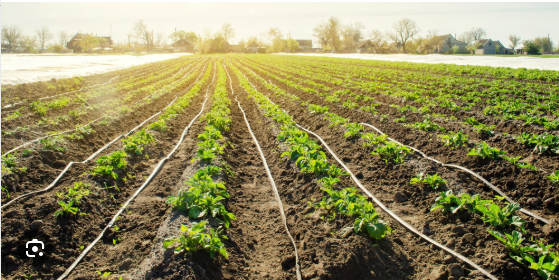
Drip irrigation systems transport water through a network of tubes laid along plant rows. Small devices called emitters release water slowly at the base of each plant. Because the water is delivered gradually, the soil absorbs it more effectively.
This method prevents water from running off or evaporating quickly. As a result, plants receive consistent moisture without being overwatered. The slow delivery also allows nutrients in the soil to remain near the plant roots, improving plant health and productivity.
Many drip irrigation systems can also be connected to automatic timers, allowing farmers and gardeners to control watering schedules easily.
Benefits of Drip Irrigation
Drip irrigation offers many advantages compared to traditional watering methods. One of the biggest benefits is water conservation. Since water is delivered directly to plant roots, very little is lost through evaporation or runoff.
Another advantage is improved plant health. Consistent moisture levels encourage deeper root growth and reduce stress on plants. This often results in higher crop yields and healthier gardens.
Drip irrigation also reduces weed growth. Because water is applied only to the plant’s root zone, surrounding soil remains dry, making it harder for weeds to grow.
Additionally, this system helps reduce soil erosion and nutrient loss. Water is applied slowly and gently, preventing the soil from being washed away.
Types of Drip Irrigation Systems
There are several types of drip irrigation systems designed for different applications.
Surface drip irrigation involves placing tubing and emitters on top of the soil. This system is easy to install and commonly used in gardens and small farms.
Subsurface drip irrigation places the tubing below the soil surface. This system delivers water directly to the roots and is often used in large agricultural fields.
Drip tape systems are lightweight tubes with built-in emitters placed along crop rows. These systems are popular in vegetable farming because they are efficient and affordable.
Each type of system is designed to meet specific irrigation needs and growing conditions.
Maintenance of Drip Irrigation Systems
Proper maintenance is important to keep drip irrigation systems working efficiently. Emitters and filters should be checked regularly to ensure they are not clogged with dirt or mineral deposits.
Flushing the system occasionally helps remove debris from the pipes. It is also important to inspect tubing for leaks or damage.
Regular maintenance helps prevent problems and ensures that plants continue receiving the correct amount of water.
Conclusion
Drip irrigation is one of the most efficient and sustainable watering methods available today. By delivering water directly to plant roots, it reduces waste, improves plant health, and conserves valuable resources. Whether used in home gardens or large farms, drip irrigation provides a practical solution for modern agriculture and landscaping. With proper installation and maintenance, this system can support healthy plant growth while promoting responsible water use.
 Romaian
 English
 Arabic
 French
 Spanish
 Portuguese
 Deutsch
 Turkish
 Dutch
Dutch
 Italiano
 Russian
 Portuguese (Brazil)
 Greek
Greek