


What Is an Industrial Hopper and How Is It Used in Manufacturing
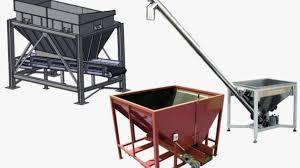
In modern manufacturing environments, efficient material handling is essential for maintaining productivity and reducing operational delays. One of the key pieces of equipment used to manage bulk materials is the industrial hopper. This equipment plays a critical role in storing, controlling, and feeding materials during production processes. Many manufacturing facilities rely on advanced material handling equipment from companies like Glzon Equipment Co., Ltd to ensure smooth operations and reliable production flow. By using an industrial hopper, manufacturers can handle bulk materials efficiently while improving the consistency and speed of their production lines.
Understanding an Industrial Hopper
An industrial hopper is a container or storage unit designed to hold and dispense bulk materials in a controlled manner. It is typically shaped with sloping sides or a funnel-like structure that allows materials to flow easily toward an outlet at the bottom. Industrial hoppers are commonly used in manufacturing plants, warehouses, and processing facilities where materials need to be stored temporarily before being transported or processed further. These hoppers can handle a wide variety of materials such as powders, grains, pellets, granules, and other bulk substances. The main purpose of an industrial hopper is to regulate the flow of materials so that production processes can operate continuously without interruption.
How an Industrial Hopper Works
An industrial hopper functions as part of a material handling or processing system. Materials are loaded into the hopper from the top, usually through conveyors, chutes, or manual loading. Once inside the hopper, the materials move downward due to gravity. The design of the hopper ensures that the materials flow smoothly toward the discharge opening. From there, the materials can be directed into other equipment such as conveyors, mixers, packaging machines, or processing systems. Some hoppers include additional components such as valves, feeders, or gates that help control the rate at which materials are released.
Types of Industrial Hoppers
Industrial hoppers come in various designs depending on the type of materials being handled and the requirements of the production process.
Gravity Hoppers
Gravity hoppers rely on gravity to move materials downward. They are simple, efficient, and commonly used in many manufacturing applications.
Vibratory Hoppers
Vibratory hoppers use vibration to encourage materials to move toward the outlet. This design is useful for materials that may stick or clog easily.
Screw Hopper Feeders
These hoppers use a rotating screw mechanism to move materials out of the hopper at a controlled rate. They are commonly used for powders and fine materials.
Belt Hopper Feeders
Belt hopper feeders use conveyor belts to transport materials from the hopper to the next stage of the production process.
Bulk Storage Hoppers
Bulk storage hoppers are designed to store large quantities of materials and feed them gradually into processing systems.
Importance of Industrial Hoppers in Manufacturing
Industrial hoppers are essential for maintaining a steady supply of materials in manufacturing processes. Without proper storage and feeding systems, production lines may experience delays or interruptions. By storing materials temporarily and releasing them at controlled rates, hoppers help ensure smooth and continuous production. They also reduce the need for constant manual handling of materials, which improves efficiency and safety. In many automated factories, industrial hoppers are integrated with conveyors and other machinery to create a seamless material handling system.
Key Benefits of Using Industrial Hoppers
Efficient Material Storage
Industrial hoppers provide a reliable solution for storing bulk materials before they are processed or transported.
Controlled Material Flow
The design of a hopper allows manufacturers to control how quickly materials move into the production line, preventing overflow or shortages.
Improved Production Efficiency
By maintaining a steady flow of materials, hoppers help production lines operate without unnecessary interruptions.
Reduced Manual Handling
Using industrial hoppers reduces the need for workers to manually transport materials, saving time and labor.
Enhanced Workplace Safety
Handling heavy or bulk materials manually can increase the risk of accidents. Industrial hoppers help minimize these risks by automating part of the process.
Applications of Industrial Hoppers
Industrial hoppers are widely used in many industries where bulk material handling is required.
Food Processing Industry
Hoppers are used to store and feed ingredients such as grains, sugar, flour, and other food materials during processing.
Pharmaceutical Industry
In pharmaceutical production, hoppers help manage powders and chemical ingredients that must be delivered accurately during manufacturing.
Chemical Industry
Chemical plants use hoppers to handle raw materials and compounds before processing.
Agriculture and Grain Processing
Grain storage and handling systems often rely on industrial hoppers to control the flow of seeds and agricultural materials.
Manufacturing and Packaging
Many factories use hoppers to supply raw materials to packaging machines, mixing equipment, and assembly lines.
Factors to Consider When Choosing an Industrial Hopper
Selecting the right industrial hopper depends on several factors, including:
- Type of material being stored or handled
- Size and capacity requirements
- Material flow characteristics
- Integration with existing machinery
- Maintenance and durability
Choosing the right design ensures efficient operation and prevents issues such as material blockage or uneven flow.
Maintenance of Industrial Hoppers
Regular maintenance is important to ensure that industrial hoppers operate effectively. Maintenance tasks may include:
- Cleaning the hopper to prevent material buildup
- Inspecting structural components for wear or damage
- Checking valves and discharge mechanisms
- Ensuring smooth material flow
Proper maintenance helps extend the lifespan of the equipment and ensures reliable performance.
The Future of Industrial Hopper Systems
As manufacturing technology continues to evolve, industrial hopper systems are becoming more advanced. Modern systems are often integrated with automation controls, sensors, and monitoring tools that help track material flow and optimize production processes. These smart systems allow manufacturers to detect issues quickly, improve efficiency, and reduce downtime in their operations.
Conclusion
An industrial hopper is a vital piece of equipment in modern manufacturing and material handling systems. It provides efficient storage and controlled feeding of bulk materials, helping production lines operate smoothly and consistently. By improving material flow, reducing manual handling, and supporting automated processes, industrial hoppers play a crucial role in enhancing manufacturing efficiency. As industries continue to adopt advanced automation technologies, industrial hoppers will remain an important component of efficient production systems.
FAQS
1. What is the main function of an industrial hopper?
The main function of an industrial hopper is to store bulk materials and release them in a controlled manner during manufacturing or processing. It helps maintain a steady flow of materials into production equipment.
2. What materials can be stored in an industrial hopper?
Industrial hoppers can store a wide range of materials such as powders, grains, pellets, granules, chemicals, and other bulk substances used in manufacturing and processing industries.
3. Which industries commonly use industrial hoppers?
Industrial hoppers are widely used in industries such as food processing, pharmaceuticals, chemicals, agriculture, plastics, and manufacturing, where bulk material handling is required.
4. How do industrial hoppers improve production efficiency?
Industrial hoppers improve efficiency by ensuring a continuous supply of materials to machines and production lines, reducing manual handling, and preventing delays caused by material shortages.
5. Can industrial hoppers be customized for different production needs?
Yes, industrial hoppers can be customized based on material type, storage capacity, discharge method, and integration with other equipment to meet specific manufacturing requirements.
 Greek
Greek
 English
 Arabic
 French
 Spanish
 Portuguese
 Deutsch
 Turkish
 Dutch
Dutch
 Italiano
 Russian
 Romaian
 Portuguese (Brazil)