


How to calculate and optimize your truck load shipping cost effectively
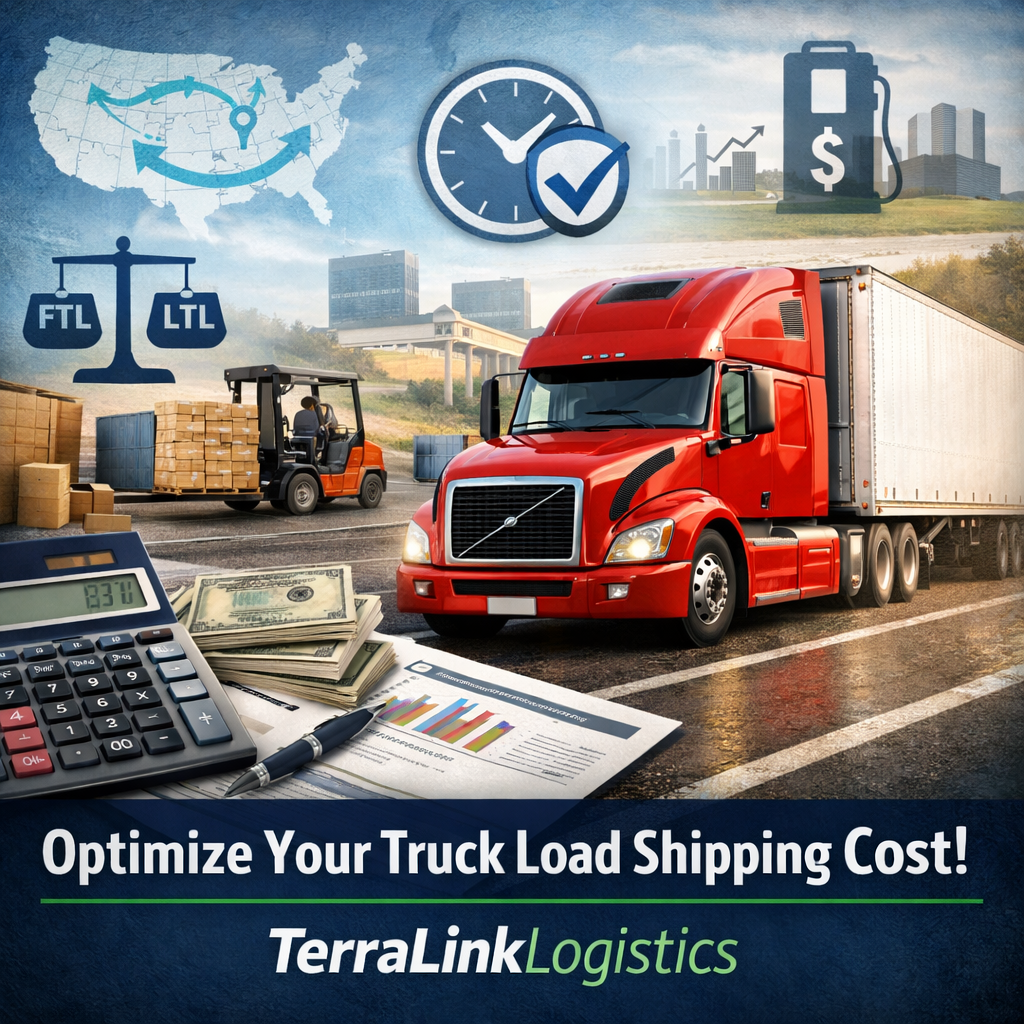
How to Calculate and Optimize Your Truck Load Shipping Cost Effectively
Navigating the complexities of freight logistics requires a clear understanding of how market forces and operational variables influence your bottom line. Whether you are moving small batches of goods or filling entire trailers, the truck load shipping cost remains a critical component of your supply chain budget. Because freight rates are rarely static, developing a strategy that balances speed, safety, and expenditure is essential for operational success.
Understanding the Factors Driving Shipping Costs
Calculating the price of moving goods is not a simple linear equation. Multiple variables interact to create the final rate you see on your invoice. When analyzing your truck load shipping cost, you must account for both predictable base charges and fluctuating market surcharges.
-
Distance and Geography: The total mileage between your origin and destination is the most straightforward cost driver. However, the balance of "inbound" versus "outbound" freight in a specific region, often called "lane density," plays a massive role. If you are shipping out of an area where there is a high demand for trucks but low available capacity, you will likely pay a premium.
-
Weight and Density: For LTL (Less-than-Truckload) shipments, weight and product density are paramount. According to technical definitions provided by Google, density is a calculation of how much space an item occupies relative to its weight. Heavier, compact items often cost less per unit to ship than light, bulky items that consume significant trailer volume.
-
Equipment Requirements: Specialized needs, such as refrigerated units (reefers) or flatbed trailers, inherently carry higher costs than standard dry vans. These assets require more maintenance, insurance, and specialized training for drivers.
-
Market Volatility: Freight rates are highly sensitive to global economic conditions. Fuel surcharges, driver availability, and seasonal demand peaks can shift pricing weekly or even daily. Understanding these trends allows you to time your shipments for better pricing.
Comparing Full Truckload (FTL) vs. Less-Than-Truckload (LTL)
Choosing the correct mode of transport is the most impactful decision you can make regarding shipping expenses.
FTL shipping involves reserving an entire trailer for your exclusive use. While the upfront truck load shipping cost for FTL is higher, it is often more economical for large volumes. Since your goods are the only items on the trailer, they face significantly less handling, reducing the risk of damage or loss. This is the gold standard for high-value or fragile inventory.
Conversely, LTL shipping allows you to pay only for the portion of the trailer your cargo occupies. This mode is ideal for smaller shipments, typically those ranging from one to six pallets. While LTL offers substantial cost savings for smaller loads, it involves more transit stops and handling, which may increase the risk of transit-related issues. For those needing help managing these complex decisions, TerraLink Logistics offers freight forwarding services to help streamline your shipping operations.
Strategic Tips for Cost Optimization
To maintain a competitive edge, you must proactively manage your logistics spend. Relying solely on spot-market pricing can leave your budget vulnerable to sudden shifts in the transportation industry landscape, as market rates are often driven by external economic factors.
-
Consolidate Shipments: Whenever possible, group smaller orders into larger shipments. This reduces the number of individual transit legs and often lowers the total cost per unit.
-
Optimize Packaging: Use standardized pallet sizes and maximize the density of your load. Reducing empty space within your packaging ensures you are not paying to ship air.
-
Leverage Data: Use historical shipping data to identify recurring patterns in your supply chain. If you notice specific lanes are consistently expensive, look for alternative shipping modes or negotiate contract rates for those specific routes.
-
Flexible Scheduling: If your delivery timelines allow for flexibility, you can often secure lower rates by booking shipments outside of peak hours or seasonal demand spikes.
Conclusion
Managing your truck load shipping cost is a continuous process of analysis, negotiation, and strategic planning. By understanding the core drivers such as distance, freight class, and equipment needs and choosing the right shipping mode for your specific volume, you can significantly improve your logistics efficiency.
While market volatility is an inherent challenge in the shipping industry, staying informed and partnering with reliable logistics providers ensures your supply chain remains resilient. Whether you are scaling up or streamlining your current operations, focusing on visibility and optimization will pay dividends.
 Turkish
 English
 Arabic
 French
 Spanish
 Portuguese
 Deutsch
 Dutch
Dutch
 Italiano
 Russian
 Romaian
 Portuguese (Brazil)
 Greek
Greek