


Property Snagging Guide for Buyers and New Homes
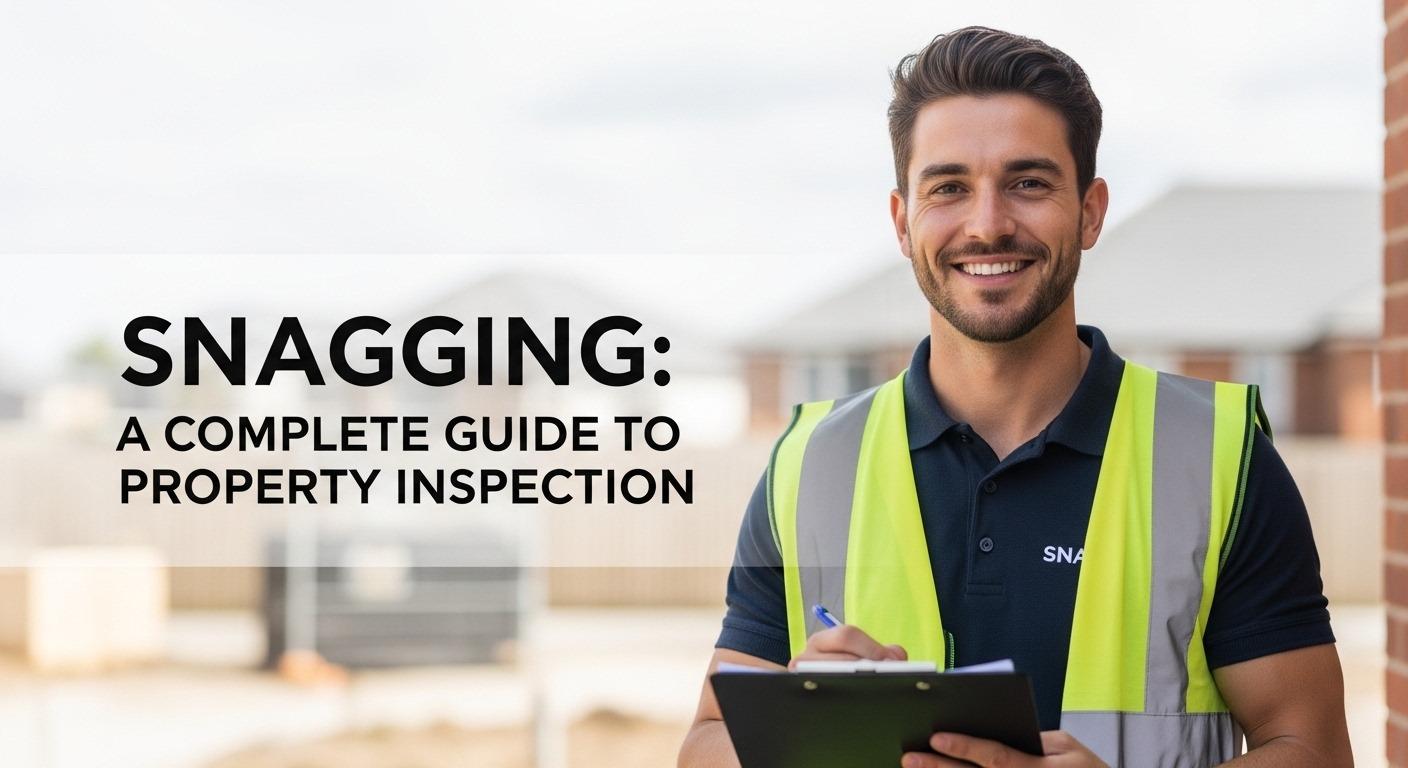
Buying a property is one of the most meaningful achievements in life. Whether it is a newly built apartment, a modern house, or a renovated living space, buyers expect everything to be delivered in excellent condition. However, construction projects can sometimes include minor defects or unfinished details that are not immediately visible. Because of this, property snagging has become an important step in the property buying process.
Property snagging is the process of inspecting a newly constructed or recently completed property to identify defects, incomplete work, or installation issues. The purpose of this inspection is to ensure the property meets the promised quality standards before the final handover. This process allows buyers to highlight problems so the developer or contractor can correct them.
For homeowners, property snagging provides confidence that their property is safe, functional, and finished according to expectations. It also protects the buyer’s investment by making sure all issues are addressed before moving in.
What Property Snagging Means
Property snagging refers to a detailed inspection carried out before the buyer officially accepts a newly built property. During this inspection, every part of the property is examined carefully to identify any problems that may have occurred during construction.
Even experienced builders can make small mistakes during the construction process. Tight project deadlines, material problems, or simple human error can lead to minor defects. Property snagging helps identify these issues early so they can be corrected.
The inspection focuses on both the visual quality and functional aspects of the property. From wall finishes to plumbing systems, the goal is to ensure that everything works properly and meets the required standards.
Why Property Snagging Is Important
Property snagging is important because it ensures the buyer receives a property that is fully completed and free from construction defects. Without a thorough inspection, many small issues might go unnoticed until after the homeowner moves in.
One major benefit of property snagging is quality assurance. It confirms that the developer has delivered the property according to the agreed standards and that all installations are functioning correctly.
Another key advantage is financial protection. If defects are discovered during the snagging stage, the developer is typically responsible for fixing them. This prevents homeowners from paying for repairs that should have been completed during construction.
Property snagging also improves safety. Problems related to electrical wiring, plumbing systems, or structural elements can be identified and corrected before they cause serious issues.
Finally, snagging provides peace of mind. Buyers can move into their new home knowing that it has been thoroughly inspected and prepared for comfortable living.
Areas Checked During Property Snagging
A property snagging inspection involves checking multiple areas of the property to ensure everything has been installed correctly.
Walls and ceilings are inspected for cracks, uneven plaster, or poor paint finishing. Floors are examined to ensure tiles or other flooring materials are properly aligned and securely installed.
Doors and windows are checked to confirm they open and close smoothly. Locks, handles, and hinges are tested to ensure they function correctly.
Electrical systems are also inspected carefully. Light fixtures, switches, and power outlets are tested to make sure they operate safely and efficiently.
Plumbing installations are examined to detect leaks or drainage issues. Sinks, taps, showers, and pipes are checked to confirm proper water flow and installation.
Kitchen fittings such as cabinets, countertops, and storage units are reviewed to ensure they are installed correctly. Bathroom fixtures including sinks, showers, and toilets are also checked for proper operation.
Exterior areas may also be inspected during the snagging process. Balconies, railings, and drainage systems are reviewed to ensure structural stability and safety.
The Property Snagging Process
The property snagging process begins with a complete inspection of the property. Every room and installation is examined carefully to identify defects or unfinished work.
All findings from the inspection are documented in a snagging report. This report lists the issues discovered and explains what needs to be corrected.
The report is then shared with the developer or contractor responsible for the project. The developer reviews the report and arranges for repairs or adjustments to fix the identified problems.
After the repairs are completed, the property may be inspected again to confirm that all issues have been resolved. This final inspection ensures the home is ready for handover.
Professional Property Snagging Services
Many buyers prefer to hire professional snagging inspectors to carry out the inspection. Professionals have experience identifying construction defects and finishing problems that may not be obvious to homeowners.
These experts use structured inspection methods and detailed checklists to examine every part of the property. Their experience helps them detect both visible and hidden issues.
Professional snagging services also provide clear and organized reports. These reports help developers understand the defects and ensure the repair process is completed efficiently.
Hiring professional inspectors can provide buyers with additional confidence that their property has been thoroughly evaluated.
Benefits of Property Snagging
Property snagging offers several valuable benefits for homeowners.
One major benefit is improved construction quality. By identifying defects early, buyers can ensure that the property is completed properly before moving in.
Another advantage is cost savings. When issues are discovered before the final handover, the developer is responsible for fixing them, preventing homeowners from paying for repairs themselves.
Property snagging also enhances safety by identifying electrical or plumbing issues that could become serious problems if left unresolved.
In addition, snagging inspections provide peace of mind. Buyers can feel confident that their property has been checked carefully and is ready for comfortable living.
Frequently Asked Questions
What is property snagging
Property snagging is the process of inspecting a newly built or renovated property to identify defects or unfinished work before the final handover to the buyer.
Why is property snagging necessary
Property snagging ensures the property meets quality standards and allows developers to fix defects before the homeowner moves in.
Can buyers perform property snagging themselves
Buyers can inspect their property themselves, but professional inspectors often identify issues that may not be visible without experience.
What types of issues are found during property snagging
Common issues include paint imperfections, poorly installed fixtures, plumbing leaks, electrical faults, and finishing defects.
When should property snagging be done
Property snagging is typically carried out after construction is completed but before the property is officially handed over to the buyer.
Conclusion
Property snagging is an essential step for anyone purchasing a newly built or recently renovated property. Even when a home appears perfect at first glance, small construction defects and finishing issues are common.
A proper snagging inspection helps buyers identify these problems early and request repairs before accepting the property. This ensures that the home meets quality expectations and functions properly.
 French
 English
 Arabic
 Spanish
 Portuguese
 Deutsch
 Turkish
 Dutch
Dutch
 Italiano
 Russian
 Romaian
 Portuguese (Brazil)
 Greek
Greek