


Surface finishing for precision castings
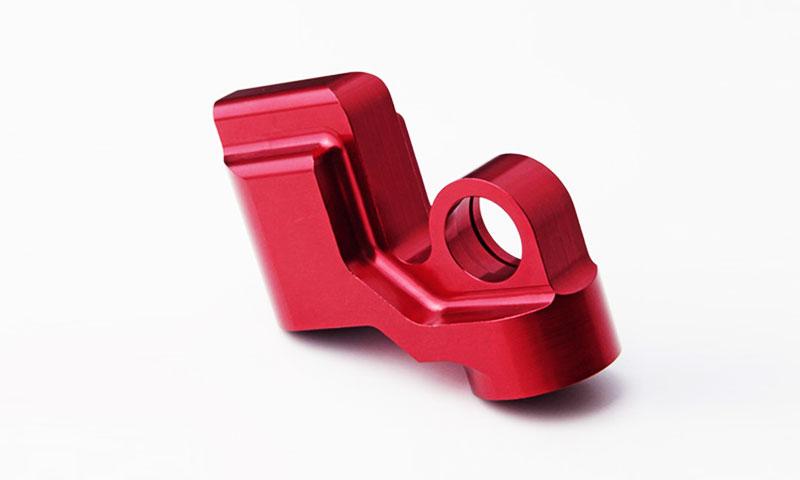
- Shot / bead / sand blasting — fast, uniform matte finish; removes shell wash, sand, scale; good pre-step for plating or painting. Use small glass beads for smoother results; coarse grit for scale removal.
- Vibratory / barrel (mass) finishing — excellent for burr removal and edge radiusing of many small parts; economical for batches; finish depends on media + cycle time.
- Abrasive grinding / flap wheels — localised material removal, true critical surfaces; skilled labor required to avoid geometry changes.
- Progressive polishing (mechanical) — staged grit sizes to reduce Ra progressively; good for small areas, raised logos and critical visual surfaces.
- Electropolishing — electrochemical smoothing & brightening (especially effective for stainless steels); reduces micro-crevices and improves corrosion resistance; often eliminates separate chemical passivation. Avoid for some nickel alloys unless process validated.
- Pickling / passivation — chemical surface treatment for stainless to remove heat tint and enhance passive layer; typically used after welding or aggressive mechanical work.
- Plating / PVD / coatings — used when functional surface properties (wear, conductivity, corrosion) or specific aesthetics are required. Surface must be prepared to the appropriate base Ra for adhesion.
- Lapping / honing — for extremely flat, precise mating surfaces; slow and expensive but gives best flatness and finish control.
- Abrasive flow machining / shape-adaptive finishing — useful for complex internal passages (fuel, hydraulic) where mechanical access is limited. Recent shape-adaptive methods can produce uniform results on complex geometries.
Material and geometry considerations
- Stainless steels: electropolishing + passivation are strong options. Avoid mechanical polishing that removes too much material if thin walls or tight tolerances exist.
- Nickel superalloys (Inconel, etc.): abrasive finishing is common; electropolishing effectiveness varies—validate with supplier. Thermal/coating processes may interact with microstructure.
- Aluminum: mechanical polishing and anodizing are common; chemical etches/bright dips used for appearance. Avoid processes that generate heat and distortion.
- Complex internal passages: use vibratory media engineered for internal geometry, abrasive flow, or chemical etching where compatible.
Article References:https://casting-china.org/surface-finishing-for-precision-castings/
© 2026 Scenario.press - libera espressione
 Spanish
Spanish
 English
 Arabic
 French
 Portuguese
 Deutsch
 Turkish
 Dutch
Dutch
 Italiano
 Russian
 Romaian
 Portuguese (Brazil)
 Greek
Greek