


Best Goats for Breeding: Traits and Selection Tips
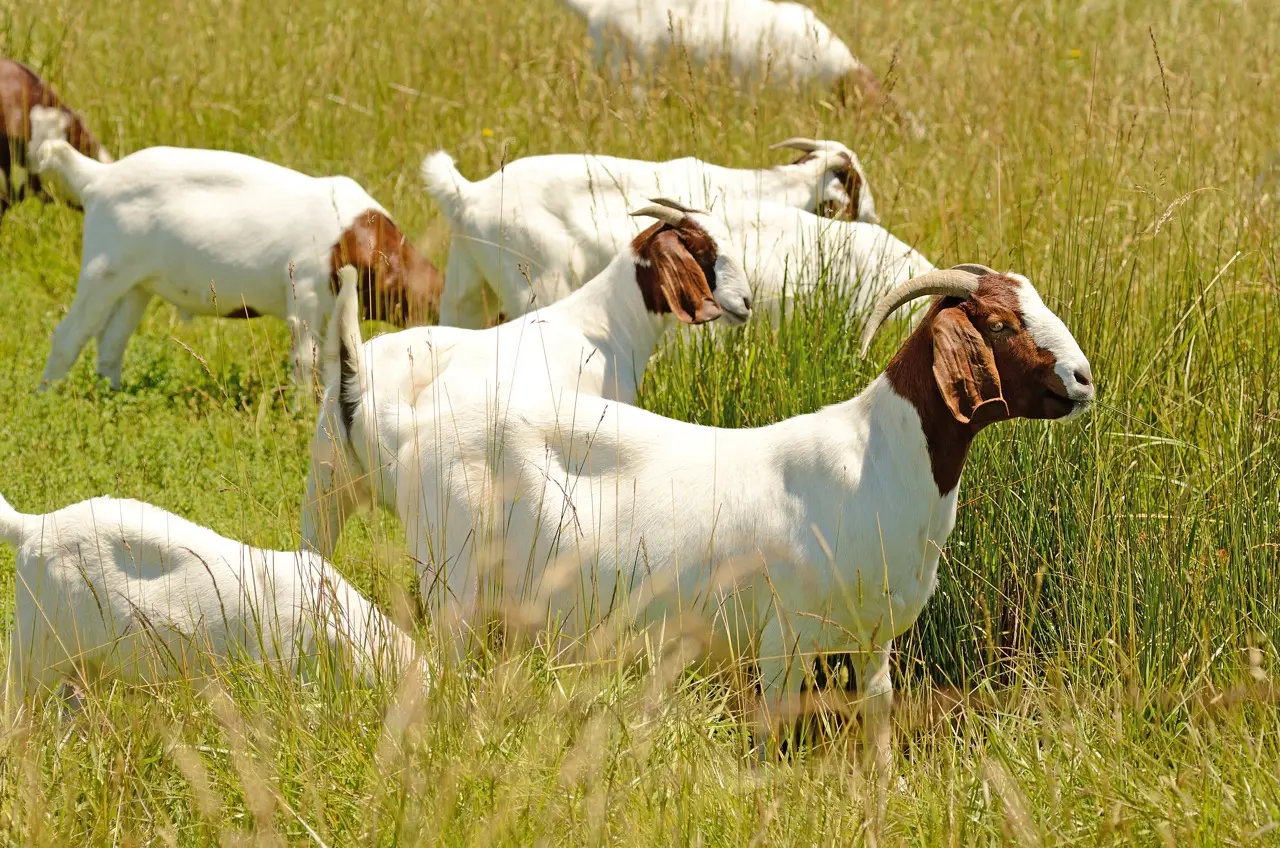
Selecting the best goats for breeding is essential for building a productive, healthy, and sustainable herd. The animals chosen as breeding stock determine the genetic quality, fertility, growth performance, and long-term resilience of future generations. Whether the breeding goal is milk, meat, fiber, or dual-purpose production, careful evaluation of traits and selection strategies ensures consistent herd improvement. Understanding what makes a goat suitable for breeding helps farmers and breeders maximize productivity while maintaining strong animal health and welfare.
Defining Breeding Objectives
The first step in choosing the best goats for breeding is defining clear herd objectives. Different production systems prioritize different traits. Dairy herds focus on milk yield, udder structure, and lactation persistence. Meat herds prioritize growth rate, muscling, and feed efficiency. Fiber goats are selected for fleece quality, density, and uniformity. Dual-purpose herds aim for balanced performance across traits.
Selecting goats for breeding that align with herd goals ensures that offspring inherit desirable characteristics. For example, dairy breeders may prioritize milk production records and udder conformation, while meat producers may emphasize muscling and growth rate. Clear breeding objectives guide consistent and effective selection decisions.
Key Physical Traits of Quality Breeding Goats
Structural conformation is one of the most important indicators of breeding suitability. Goats selected for breeding should have strong legs, sound hooves, and balanced body proportions. Proper leg alignment supports mobility and longevity, especially for breeding females that carry pregnancies and nurse offspring.
A strong, level topline indicates good skeletal support. A wide chest suggests adequate heart and lung capacity, which supports stamina and overall vitality. In dairy goats, udder attachment and teat placement are critical, as these traits affect milking ease and udder health. Structural weaknesses can be inherited, so selecting well-formed animals improves herd durability over time.
Health and Disease Resistance
Healthy goats are more fertile, productive, and resilient. Breeding animals should show bright eyes, smooth coats, good body condition, and normal movement. Chronic illness, lameness, respiratory problems, or recurrent infections are warning signs that should exclude animals from breeding programs.
Disease resistance is partly genetic. Selecting goats from herds with strong health histories helps build a resilient population. Animals with low parasite burdens and robust immune response are particularly valuable in breeding programs, especially in regions where parasites are common challenges.
Fertility and Reproductive Performance
Reproductive capability is essential in breeding stock. Does should exhibit regular estrous cycles, good maternal instincts, and successful kidding records if previously bred. Adequate body size and condition are necessary to support pregnancy and lactation.
Bucks contribute half of the herd’s genetics, making their fertility especially important. Healthy testicle size and symmetry often correlate with sperm production. Bucks should display normal libido, physical fitness, and breeding behavior. Selecting fertile breeding animals ensures reliable reproduction and herd expansion.
Genetic Background and Pedigree Evaluation
Genetics strongly influence production traits, health, and adaptability. Reviewing pedigree records helps breeders identify inherited strengths and weaknesses. Animals from proven bloodlines with consistent performance records offer greater predictability in offspring quality.
Avoiding excessive inbreeding maintains genetic diversity and prevents inherited defects. Introducing unrelated or complementary bloodlines strengthens herd vigor and fertility. Responsible breeders track lineage and performance data to guide long-term genetic improvement.
Productivity Traits by Production Type
The best goats for breeding demonstrate measurable productivity relevant to herd goals. Dairy goats should have records of milk yield, lactation length, and udder health. Consistent milk producers with strong udder structure are highly desirable breeding animals.
Meat goats are evaluated for growth rate, muscling, body depth, and feed efficiency. Fast-growing kids that reach market weight quickly improve economic returns. Fiber goats are selected for fleece length, fineness, density, and uniformity, traits that determine fiber quality and value.
Selecting breeding animals with proven productivity ensures that offspring inherit traits that support farm profitability and production efficiency.
Temperament and Behavioral Traits
Temperament is often overlooked but highly important in breeding selection. Calm, manageable goats are easier to handle and safer to manage. Aggressive or excessively fearful animals create management challenges and may pass undesirable behavior to offspring.
Good temperament also reduces stress, which supports reproductive health and immune function. Calm dairy goats adapt better to milking routines, and manageable meat goats reduce handling risks. Selecting animals with stable, cooperative behavior improves herd welfare and farm efficiency.
Age and Breeding Readiness
Age and maturity influence breeding success. Does should reach sufficient body weight and skeletal development before first breeding, usually around 60–70 percent of adult size. Breeding immature animals can compromise growth and future productivity.
Bucks should reach sexual maturity and physical strength before breeding use. Young breeding animals may improve performance with maturity, while older proven animals provide reliable genetics. Maintaining a balanced age structure ensures continuity and genetic progress within the herd.
Selection Tips for Long-Term Herd Improvement
Effective breeding selection requires consistent evaluation and record keeping. Tracking birth weights, growth rates, milk production, kidding intervals, and health outcomes helps identify superior animals. Retaining offspring from high-performing parents accelerates genetic improvement.
Culling is also essential. Animals with poor fertility, structural faults, or chronic health problems should be removed from breeding programs. Strategic culling maintains herd quality and prevents undesirable traits from spreading.
Introducing new genetics periodically prevents inbreeding and strengthens vigor. Selecting animals adapted to local climate and management conditions improves survival and productivity. Long-term planning ensures sustainable herd development.
Biosecurity and Source Selection
The source of breeding goats influences herd health and quality. Purchasing from reputable breeders with documented health records reduces disease risk. Animals should come from herds tested for common regional diseases. Quarantine procedures for new animals protect existing herds.
Evaluating management practices at the source farm also provides insight into animal quality. Well-managed herds with proper nutrition and healthcare are more likely to produce strong breeding stock. Careful sourcing supports both productivity and biosecurity.
Conclusion
The best goats for breeding combine strong health, sound structure, proven fertility, and productivity traits aligned with herd goals. Careful selection based on genetics, conformation, temperament, and performance ensures that future generations inherit desirable characteristics. Consistent evaluation, record keeping, and strategic culling support long-term herd improvement.
By aligning breeding choices with clear production goals and maintaining strong health standards, farmers and breeders can build resilient herds that perform reliably over time. Guidance from trusted veterinary partners such as Park Hills Animal Hospital can further support herd health planning and preventive care. Investing in quality breeding goats supports improved offspring, reduced health costs, and long-term agricultural success.
 Dutch
Dutch
 English
 Arabic
 French
 Spanish
 Portuguese
 Deutsch
 Turkish
 Italiano
 Russian
 Romaian
 Portuguese (Brazil)
 Greek
Greek