


Best Custom Suits: A Comprehensive Guide to Fit, Craftsmanship, and Modern Style in the United States
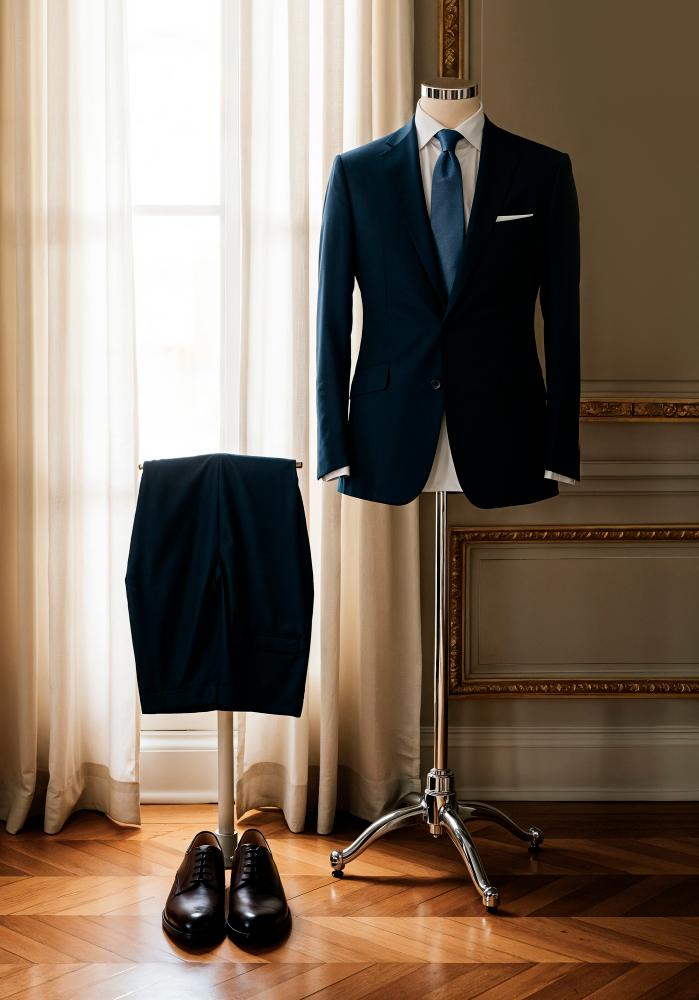
In the United States, the conversation around men’s formalwear has evolved significantly over the past decade. While casual dress codes have become more common in many industries, the demand for precision tailoring has not disappeared. Instead, interest in the best custom suits has grown among individuals who value proper fit, thoughtful construction, and long-term wardrobe planning.
Custom suits are no longer viewed solely as luxury garments reserved for special occasions. They are increasingly considered practical investments that support professional presence, comfort, and versatility. Understanding what defines the best custom suits requires examining several key elements: fit, fabric, construction, customization, and longevity.
Defining the Best Custom Suits
The best custom suits are distinguished by their ability to align with the wearer’s unique body structure. Unlike off-the-rack suits produced in standardized sizes, custom suits are developed using detailed measurements. These typically include shoulder width, chest circumference, waist size, sleeve length, jacket length, trouser rise, inseam, and posture assessment.
Custom suits generally fall into two primary categories:
-
Made-to-measure: Adjusted from a pre-existing pattern to match individual measurements.
-
Bespoke: Crafted from a completely unique pattern drafted specifically for the wearer.
Both approaches offer improvements over ready-made garments, but the defining characteristic of the best custom suits is precision. The garment should follow natural body lines without pulling, sagging, or restricting movement.
Why Fit Is the Most Important Factor
Fit remains the central component in determining the best custom suits. Even the finest fabric cannot compensate for poor tailoring. A properly fitted jacket should sit cleanly at the shoulders, with no overhang or indentation. Sleeves should allow a small portion of the shirt cuff to show, and the jacket length should balance overall proportions.
Trousers should rest comfortably at the waist without requiring excessive tightening from a belt. The leg opening should complement the wearer’s build, and the break—where the fabric meets the shoe—should appear intentional rather than accidental.
In professional environments across the United States, fit communicates attention to detail. Whether in corporate boardrooms, legal offices, or formal events, a well-fitted suit enhances overall presentation without appearing exaggerated.
Fabric Selection and Seasonal Considerations
Fabric plays a significant role in defining the best custom suits. The United States experiences diverse climate conditions, from humid summers in the South to cold winters in the Midwest and Northeast. Selecting appropriate materials ensures year-round functionality.
Common fabric options include:
-
Wool: The most versatile choice, available in varying weights for different seasons.
-
Flannel: A heavier wool fabric suitable for colder months.
-
Linen: Lightweight and breathable, often chosen for summer but prone to wrinkling.
-
Cotton: Less formal than wool, suitable for warm climates and business-casual settings.
-
Blended fabrics: Designed to improve wrinkle resistance or durability.
The best custom suits typically use high-quality natural fibers that balance breathability and structure. Fabric weight is equally important. Lightweight wool may range from 7 to 9 ounces for summer wear, while winter suits often exceed 12 ounces for added warmth.
Texture and weave also influence appearance. Smooth worsted wool projects formality, while textured weaves offer a more relaxed tone.
Construction and Craftsmanship
Construction methods separate average tailoring from the best custom suits. One key element is the canvas structure within the jacket. High-quality suits often use full-canvas or half-canvas construction rather than fused interlinings. Canvas allows the jacket to mold gradually to the wearer’s body over time, improving fit and durability.
Additional construction features may include:
-
Hand-stitched lapels
-
Reinforced seams
-
Structured shoulders shaped to complement body type
-
Carefully aligned patterns across seams
These details contribute to the suit’s longevity and drape. In the United States, where professionals may wear suits for extended hours, durability and comfort are practical priorities.
Customization and Personal Style
The best custom suits reflect not only technical precision but also personal style. Customization allows individuals to choose elements that align with their preferences and professional context.
Common customization options include:
-
Lapel style (notch, peak, or shawl)
-
Single-breasted or double-breasted jackets
-
Two-button or three-button configurations
-
Pocket styles (flap, jetted, or patch)
-
Trouser pleats or flat-front designs
-
Vent styles (single, double, or none)
These choices influence both formality and silhouette. For example, a notch lapel with a two-button configuration is often associated with traditional business settings, while peak lapels may create a more assertive appearance.
Color selection also matters. Navy, charcoal, and medium gray remain staples in American professional wardrobes. Patterned fabrics such as pinstripes or subtle checks provide variation while maintaining professionalism.
Comfort and Mobility
Comfort distinguishes the best custom suits from standard alternatives. A well-tailored suit should allow ease of movement in the shoulders and arms without pulling across the back. The armholes should be high enough to permit motion while maintaining structure.
Trousers should provide sufficient room in the seat and thighs while tapering appropriately toward the ankle. Proper rise measurement ensures the waistband sits comfortably without shifting throughout the day.
In the United States, where commuting, long meetings, and travel are common, comfort is not a luxury but a necessity. A suit that restricts movement can quickly become impractical, regardless of its appearance.
Longevity and Wardrobe Strategy
Many American consumers have shifted toward intentional wardrobe building. Instead of purchasing multiple lower-quality suits, they prioritize fewer garments that offer durability and versatility. The best custom suits align with this philosophy.
High-quality materials and construction allow suits to maintain shape over years of wear. Minor alterations can accommodate subtle body changes, extending the garment’s lifespan. Regular maintenance—such as proper hanging, brushing, and occasional dry cleaning—further supports longevity.
Versatility enhances value. A navy custom suit, for example, can function in job interviews, formal events, business meetings, and weddings. By selecting neutral tones and adaptable fabrics, individuals maximize utility.
Addressing Body Diversity
Standard suit sizing often fails to account for the diversity of body shapes in the United States. The best custom suits address this gap by tailoring garments to individual proportions rather than generalized templates.
For individuals with athletic builds, custom suits allow room in the chest and shoulders while maintaining a tapered waist. For taller or shorter individuals, adjustments to jacket length and trouser rise ensure balanced proportions. Those with posture differences benefit from pattern modifications that prevent fabric pulling or collapsing.
This inclusive approach ensures that clothing enhances rather than constrains the wearer.
Custom Suits in Modern Work Culture
Workplace dress codes in the United States have evolved, yet suits continue to play a role in many industries. While some sectors have adopted business-casual norms, suits remain standard in finance, law, executive leadership, and formal events.
Even in less formal environments, professionals often reserve suits for presentations, conferences, and important meetings. The best custom suits provide flexibility, transitioning seamlessly between high-stakes professional settings and ceremonial occasions.
Hybrid work models have also influenced purchasing habits. Rather than maintaining extensive suit collections, many individuals now focus on fewer high-quality pieces designed for durability and adaptability.
The Enduring Appeal of the Best Custom Suits
The concept of the best custom suits extends beyond fabric and stitching. It represents a balance between structure and comfort, tradition and modernity. In the United States, where professional expectations vary widely across regions and industries, custom tailoring offers a reliable solution.
A well-made custom suit supports confidence without overt display. It aligns with body shape, climate needs, and personal style preferences. By prioritizing fit, craftsmanship, and thoughtful design, individuals can build wardrobes that remain relevant despite shifting trends.
Ultimately, the best custom suits are defined not by brand recognition or marketing language but by measurable qualities: precise tailoring, durable materials, functional comfort, and balanced proportions. In a culture that increasingly values intentional choices, these attributes ensure that custom suits continue to hold a meaningful place in American menswear.
 Greek
Greek
 English
 Arabic
 French
 Spanish
 Portuguese
 Deutsch
 Turkish
 Dutch
Dutch
 Italiano
 Russian
 Romaian
 Portuguese (Brazil)