


Understanding the Role of Steel Balls in Ball Mill Operations
In the realm of material processing, ball mills are a cornerstone technology, utilized across various industries for grinding and pulverizing materials. At Sawei, we understand the critical role that steel balls play in the efficiency and effectiveness of ball mill operations. This blog will delve into the importance of steel balls in ball mills, their types, and how they contribute to the overall performance of milling processes.
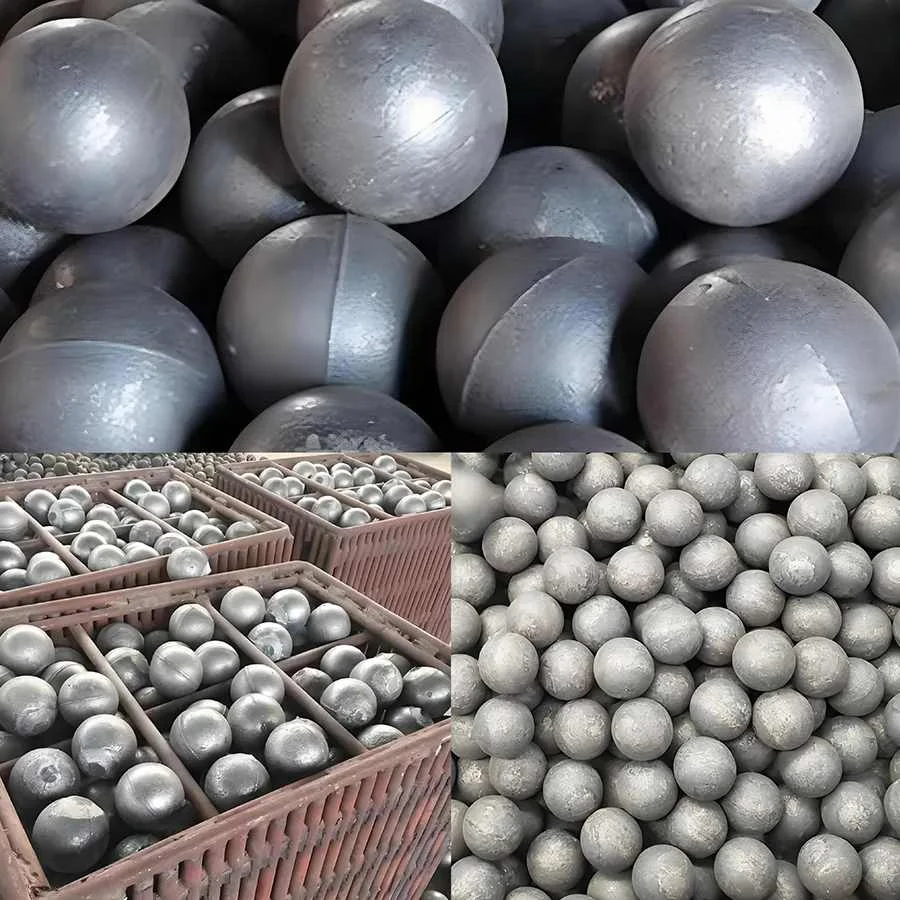
The Function of Steel Balls in Ball Mills
Steel balls serve as the primary grinding medium in ball mills. Their main function is to facilitate the grinding process through a combination of collision and friction between the balls and the material being processed. This interaction leads to the reduction of material size and enhances the surface area, making it easier for subsequent processing steps.
Key Functions:
1. Grinding: The primary role of steel balls is to grind materials into finer particles. As the mill rotates, the balls tumble and collide with the material, breaking it down into smaller sizes.
2. Impact Force: The weight and size of the steel balls determine the impact force applied to the material. Heavier balls can exert more force, making them ideal for coarse grinding.
3. Mixing: In addition to grinding, steel balls help mix materials uniformly within the mill, ensuring consistent particle size distribution.
Types of Steel Balls Used in Ball Mills
There are various types of steel balls used in ball milling processes, each with specific properties suited for different applications:
1. High Chromium Steel Balls
- Composition: These balls contain high levels of chromium, which enhances their hardness and wear resistance.
- Applications: Ideal for grinding hard materials due to their durability.
2. Low Chromium Steel Balls
- Composition: Contain lower chromium content than high chromium balls, making them less expensive.
- Applications: Suitable for softer materials or where cost is a significant factor.
3. Forged Steel Balls
- Manufacturing: Made from high-quality steel through a forging process, resulting in a dense structure.
- Advantages: Known for their strength and resistance to impact, making them suitable for heavy-duty applications.
4. Cast Steel Balls
- Manufacturing: Produced by pouring molten steel into molds.
- Advantages: Typically less expensive than forged balls but may have lower durability.
Factors Influencing Ball Mill Performance
The performance of a ball mill is influenced by several factors related to steel balls:
1. Ball Size
The diameter of steel balls affects both the grinding efficiency and energy consumption. Larger balls are more effective for coarse grinding, while smaller balls are better suited for fine grinding.
2. Ball Load
The amount of steel ball load within the mill impacts its performance. An optimal load ensures maximum contact between the balls and material, enhancing grinding efficiency.
3. Material Properties
The type of material being processed also dictates the choice of steel balls. For example, harder materials may require high chromium or forged steel balls to withstand wear.
4. Mill Speed
The rotational speed of the mill can affect how effectively steel balls break down material. Higher speeds can increase impact forces but may also lead to increased wear on both the balls and lining.
Maintenance Considerations
To ensure longevity and optimal performance of steel balls in ball mills, regular maintenance is essential:
- Monitoring Wear: Regularly check for wear on steel balls and replace them as needed to maintain efficiency.
- Adjusting Load: Monitor and adjust the ball load based on wear rates and material characteristics.
- Cleaning: Keep the milling environment clean to prevent contamination that could affect performance.
Conclusion
Steel balls are integral to the operation of ball mills, influencing not only grinding efficiency but also overall production quality. At Sawei, we provide high-quality steel balls tailored to meet various milling needs, ensuring that our clients achieve optimal results in their processing operations.
Understanding the critical role that these components play allows manufacturers to make informed decisions regarding their milling processes. Whether you require high chromium or forged steel balls, Sawei is committed to delivering products that enhance your operational efficiency and product quality.
If you have any questions about our range of steel balls or need assistance selecting the right products for your ball mill operations, feel free to reach out! Together, we can optimize your milling processes for greater success in your industry.
 Italiano
 English
 Arabic
 French
 Spanish
 Portuguese
 Deutsch
 Turkish
 Dutch
Dutch
 Russian
 Romaian
 Portuguese (Brazil)
 Greek
Greek