


Safety Considerations When Using Lithium Ion Batteries
Lithium ion batteries have become a cornerstone of modern technology, powering everything from smartphones to electric vehicles. As these batteries continue to gain popularity due to their efficiency and longevity, understanding the safety considerations associated with their use is crucial. At Huihang Technology, we are committed to providing high-quality lithium ion batteries, including our Factory Customized Deep Cycle Rechargeable Lithium Batteries. In this blog, we will explore essential safety considerations to keep in mind when using lithium ion batteries.
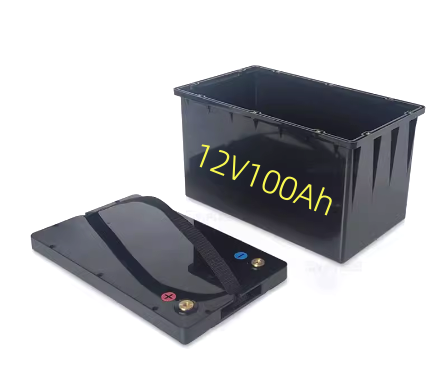
Understanding Lithium Ion Batteries
Lithium ion batteries are rechargeable batteries that use lithium ions as a key component of their electrochemistry. They are known for their high energy density, lightweight design, and ability to retain charge over time. However, despite their advantages, they can pose safety risks if not handled correctly.
Common Applications
- Electric Vehicles: Used for propulsion and energy storage.
- Consumer Electronics: Powering smartphones, laptops, and tablets.
- Renewable Energy Storage: Storing energy from solar panels or wind turbines.
- Marine and RV Systems: Providing reliable power for boats and recreational vehicles.
Key Safety Considerations
1. Temperature Management
Lithium ion batteries are sensitive to temperature extremes. High temperatures can lead to thermal runaway—a condition where the battery overheats and potentially catches fire or explodes.
- Recommendation: Store and operate batteries within the manufacturer's specified temperature range. For example, the Huihang Technology 12V 100Ah LiFePO4 Battery operates optimally at a controlled temperature.
2. Proper Charging Practices
Using the correct charger is critical for lithium ion battery safety. Overcharging can lead to overheating and damage.
- Recommendation: Always use chargers designed for your specific battery model. Avoid using generic chargers that may not meet safety standards.
3. Avoid Physical Damage
Physical damage to lithium ion batteries can compromise their integrity and lead to leakage or short circuits.
- Recommendation: Inspect batteries regularly for signs of damage such as dents, punctures, or swelling. If any damage is found, discontinue use immediately.
4. Ventilation
Lithium ion batteries can emit gases during charging and discharging cycles. Proper ventilation is essential to prevent gas accumulation, which could lead to hazardous situations.
- Recommendation: Ensure that battery storage areas are well-ventilated, especially in enclosed spaces like garages or basements.
5. Battery Management Systems (BMS)
A Battery Management System monitors the health of the battery and prevents conditions that could lead to failure.
- Recommendation: Choose batteries equipped with a robust BMS that provides overcharge protection, temperature monitoring, and cell balancing features.
6. Disposal and Recycling
Improper disposal of lithium ion batteries can harm the environment and pose safety risks.
- Recommendation: Follow local regulations for battery disposal and recycling. Many communities offer designated drop-off locations for used batteries.
7. Training and Awareness
Proper training on handling lithium ion batteries can significantly reduce risks associated with their use.
- Recommendation: Educate users about safe handling practices, charging protocols, and emergency procedures in case of battery failure.
Specific Safety Features of Huihang Technology Batteries
At Huihang Technology, we prioritize safety in our products:
- High-Quality Construction: Our lithium ion batteries are built with durable materials that withstand physical stress.
- Integrated BMS: Each battery comes with a built-in Battery Management System that monitors performance and ensures safe operation.
- Temperature Control: Designed to operate safely within specified temperature ranges to prevent overheating.
Conclusion
Lithium ion batteries offer significant advantages in terms of performance and efficiency; however, they also require careful handling to ensure safety. By adhering to best practices regarding temperature management, proper charging techniques, physical inspection, ventilation, and disposal methods, users can mitigate risks associated with these powerful energy sources.
At Huihang Technology, we are dedicated to providing high-quality lithium ion solutions that prioritize user safety without compromising performance. If you have any questions about our products or need further information on safe usage practices, feel free to reach out! Together, we can harness the power of lithium ion technology safely and effectively.
 Russian
 English
 Arabic
 French
 Spanish
 Portuguese
 Deutsch
 Turkish
 Dutch
Dutch
 Italiano
 Romaian
 Portuguese (Brazil)
 Greek
Greek